Home Blog Page 8

Why Smarter Water Softening Matters More Than Ever in Kingston, WA

0

Walk into almost any business that relies on water—restaurants, hotels, laundromats, even local manufacturing shops—and you’ll hear a similar frustration. Hard water. It clogs up pipes, ruins equipment efficiency, and leaves behind that stubborn film nobody wants to scrub off every other day. In Kingston, WA, where local water often runs heavy on minerals, it’s not just a minor annoyance. For businesses, it’s a bottom-line problem.

And while homeowners tend to tackle hard water with small systems under the sink, businesses have much bigger headaches—and they need bigger, smarter fixes. That’s where commercial water softeners Kingston WA come in, offering a practical way to not only protect equipment but also cut down on waste, energy bills, and unnecessary maintenance costs.


Hard Water’s Quiet Impact on Businesses

Here’s the thing about hard water—it sneaks up on you. At first, you barely notice the subtle stains on glassware or the soap that just doesn’t lather like it should. But behind the scenes, minerals are working overtime, sticking to heating elements, layering inside pipes, and forcing your equipment to work harder than it was designed to.

Restaurants find dishwashers breaking down sooner than expected. Hotels spend more on cleaning supplies and laundry detergents because sheets and towels never seem truly soft. Even car washes, a staple of small-town commerce, notice that spots are harder to rinse away and customers complain about residue.

By the time managers realize just how much they’re losing, the costs have stacked up—repairs, replacements, wasted energy, not to mention unhappy customers.


Thinking Bigger: The Role of Industrial Systems

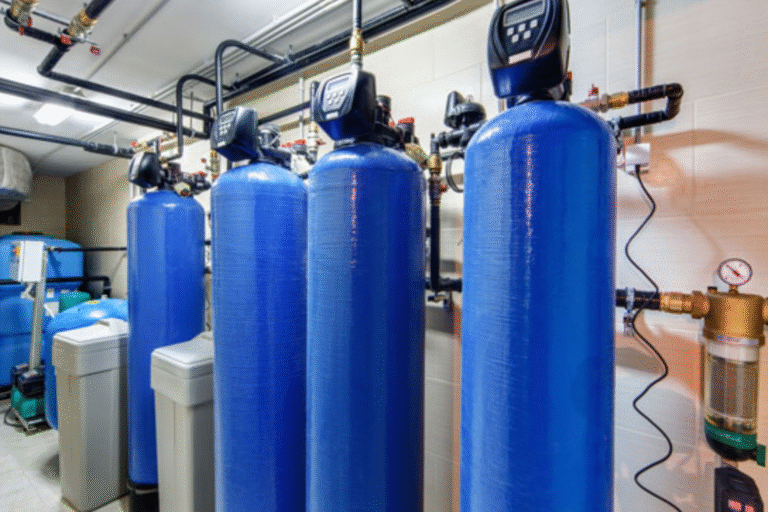
For companies that use significant amounts of water daily, the solutions need to scale. That’s why industrial water softener systems exist—not just to make water feel smoother, but to protect critical operations. These systems are designed with large capacity tanks, durable resins, and automation that keeps them working without constant human oversight.

Think about a food processing plant. Every step of the production chain depends on reliable water, whether for cleaning, mixing, or steaming. Hard water not only increases costs but risks compliance issues, since scale and deposits can throw equipment out of alignment. A brewery, too, can’t afford water inconsistencies when their product depends on precise chemistry.

Industrial systems don’t just “treat” the water—they help stabilize an entire business model. And for companies in Kingston and throughout the Puget Sound region, that level of dependability can mean the difference between predictable growth and ongoing struggle.


Why Local Businesses Are Paying Attention

It used to be that many businesses looked at water softening as an optional upgrade. A “nice to have.” But as utility costs climb, and as customers expect consistent quality, it’s quickly turning into a must.

There’s also the sustainability angle. Every time hard water makes equipment run less efficiently, more energy is wasted. When detergents don’t work effectively, more chemicals are used. By investing in reliable softening solutions, businesses aren’t just saving money—they’re lowering their environmental footprint. That’s something customers notice, especially in a community-driven place like Kingston, where eco-consciousness runs deep.

And here’s a little truth: business owners talk. When one café owner installs a system and notices their machine maintenance bills drop in half, word spreads quickly. Suddenly, it’s not just about being efficient—it’s about staying competitive.


Tailored Solutions for Different Needs

What makes water softening interesting is that there’s no one-size-fits-all fix. A small bakery that runs a few ovens doesn’t need the same system as a marina that washes down dozens of boats daily. That’s where providers of industrial water softener solutions WA step in, offering tailored setups that match the actual water usage and demands of each business.

It’s not just about dropping in a machine and walking away. The better providers test the water, calculate peak usage, and design systems that grow with the business. For example, a hotel might need a dual-tank system so there’s always softened water on tap, even when one tank regenerates. A factory might need smart monitoring tools to flag efficiency drops before they turn into costly problems.

The best setups are those you don’t even think about once they’re running. They quietly save money, extend equipment life, and let owners focus on what they actually do best—serving customers, making products, and running a business.


Bringing It All Together

So, what does all of this mean for a small-to-mid-sized business in Kingston? It means that investing in water softening isn’t just a maintenance decision. It’s a strategic one.

When you reduce downtime, extend the lifespan of expensive equipment, cut utility bills, and create better customer experiences, you’re not just solving a water problem—you’re creating a growth advantage. Businesses that adopt these solutions early will always stay a step ahead of those who wait until breakdowns force their hand.

Why a Whole House Water Filter Might Be the Best Investment for Your Home

0

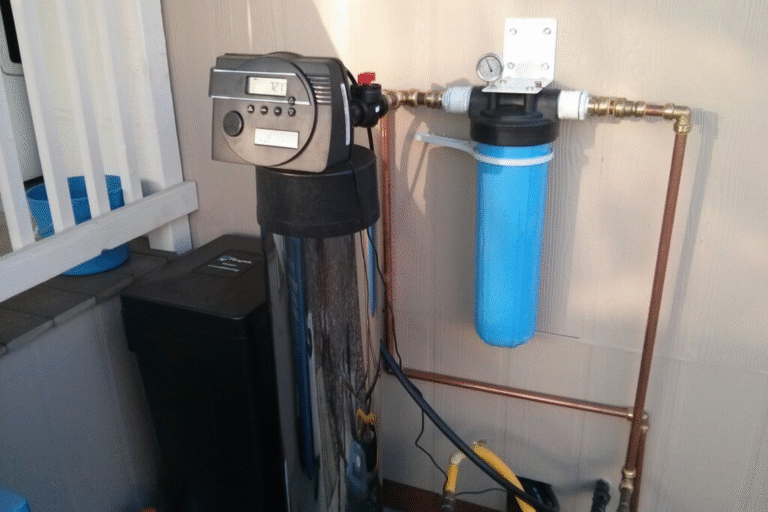
Water is one of those things we all take for granted—until it tastes odd, smells strange, or leaves white streaks on freshly washed glasses. You notice it when the coffee isn’t quite as rich, when your shower leaves your skin feeling tight, or when the laundry seems a bit rougher than usual. That’s the silent reminder that what flows from your taps isn’t always as clean or balanced as it should be. And that’s where a Whole House Water Filter quietly steps in, transforming an everyday essential into something much better.

Most people only think about filtering their drinking water, often sticking to countertop units or fridge filters. But water runs through every part of your home—into showers, washing machines, dishwashers, and sinks. If it’s not treated at the entry point, every appliance and every faucet has to deal with the same impurities. That’s why whole-house systems are gaining ground; they don’t just protect your drinking glass, they protect your whole lifestyle.


More Than Just Drinking Water

Imagine filling up a bathtub for your child, but instead of crystal-clear water, there’s a faint chlorine smell lingering in the air. Or consider washing your favorite black shirt, only to find it looking dull after a few rounds in hard water. These aren’t minor inconveniences—they’re small signals that your water quality affects more than hydration.

That’s where the idea of having all the water treated before it ever touches your pipes really shines. With a Whole House Water Filter Clarksville TN, families are discovering that softer skin, brighter laundry, and longer-lasting appliances are not just side perks—they’re real, everyday benefits. It’s like giving your home a quiet shield against all the stuff you can’t see but definitely feel.


The Local Touch Matters

Every region has its own quirks when it comes to water. In some places, it’s heavy on minerals, in others, the problem is chlorine, or even contaminants like iron or sediment. Clarksville, Tennessee, has its own unique water profile, and residents here often find that a generic solution just doesn’t cut it.

That’s why choosing a system designed and installed by local experts makes a difference. Companies rooted in the area understand what’s in the municipal supply, what’s common in well water, and what homeowners are actually dealing with day to day. When you invest in something as important as your home’s water, that kind of local expertise is worth its weight in gold.


Protecting Your Home (and Your Wallet)

It’s easy to think of water filters as a health-first purchase, and sure, cleaner water for cooking and drinking is a big deal. But there’s also a very practical angle. Hard water, for example, slowly clogs pipes, builds scale in hot water heaters, and makes dishwashers or washing machines work harder than they should. Over time, that translates into higher energy bills and shorter lifespans for appliances.

So, in a way, a whole-house system is part of your home maintenance plan. You’re not just filtering water—you’re extending the life of your investments. The upfront cost might feel like a big decision, but when you spread that out over years of lower repair bills, fewer service calls, and less soap and detergent wasted, the math starts to look a lot friendlier.


Pure Southern Water: A Name Homeowners Trust

When you’re standing in the aisle of a big-box store, staring at a row of filters, it’s hard to know what actually works long-term. That’s why homeowners around Tennessee often lean toward trusted providers like Pure Southern Water whole house system setups. These aren’t off-the-shelf gadgets—they’re designed to fit the specific needs of families in the region.

What sets these systems apart is the blend of technical performance with real-world understanding. It’s not about selling you the biggest unit or the priciest add-on, but about tailoring a setup that handles your actual water issues. That kind of customization is something you don’t get with a filter you click into a pitcher.


Living the Difference Every Day

The most convincing part of whole-house filtration isn’t the brochure or the installer’s pitch—it’s what happens in your day-to-day. Morning showers that don’t leave your skin dry. Dishes that actually sparkle without running them through a second rinse. Coffee that doesn’t taste faintly of chlorine.

And perhaps the biggest change of all is the peace of mind. Knowing that your kids are bathing in water that’s cleaner, knowing that every faucet is safe to drink from, and not second-guessing whether you need to run to the fridge for filtered water—those things add up. It’s convenience wrapped in care.


A Thoughtful Investment for the Future

At the end of the day, a water filter isn’t something flashy like a kitchen remodel or a new car in the driveway. Nobody’s going to walk into your home and say, “Wow, amazing filtration system!” But the impact is just as real, if not more so. It touches every part of your routine in small, quiet ways that make life smoother, healthier, and a bit more enjoyable.

In Clarksville and beyond, homeowners are beginning to see that clean water isn’t a luxury—it’s a baseline. And making sure your house gets that baseline every day might just be one of the smartest decisions you’ll ever make for your home.


Final Sip of Perspective

So, here’s the takeaway: water is the unseen backbone of daily life. When it’s clean, balanced, and protected, everything from your morning shower to your evening tea just feels better. Investing in a system that makes that possible isn’t just about purity—it’s about quality of living. And if you’ve ever wondered whether it’s worth it, ask yourself this: how many other home upgrades touch your life every single day?

When Your Tap Turns Sour: Understanding Smelly Water on Long Island

0

There’s something unsettling about turning on the faucet and being greeted by a whiff of… well, something foul. Water is supposed to be clean, fresh, invisible in the best way. But when it carries an odor, even faintly, you can’t help but pause. I remember the first time a friend in Suffolk County poured me a glass that smelled off — I couldn’t bring myself to drink it. That’s when the reality hit: not all tap water is created equal.

For Long Island homeowners, strange water smells are more common than you might think. Sometimes it’s earthy, sometimes metallic, but one of the most notorious culprits is sulfur. That unmistakable rotten-egg smell is enough to make anyone question what’s really flowing through their pipes.


The Root of That Rotten-Egg Aroma

So, what causes it? Often, the problem traces back to hydrogen sulfide gas. In certain wells, groundwater interacts with natural minerals and decaying organic matter, releasing that eggy smell. For households relying on private wells, this can be particularly noticeable.

Plenty of locals describe the issue as a sulfur smell in water Long Island families dread — and it’s not hard to see why. Even if the water is technically safe, the odor is off-putting. Nobody wants to make coffee with water that stinks or run a bath that smells like a science experiment gone wrong.


Well Water and the Rotten Egg Problem

If you’ve ever poured yourself a glass and thought, “Wow, this smells like breakfast gone bad,” you’re not alone. Across rural parts of the island, well water smells like rotten eggs is one of the most frequent complaints.

Sometimes it’s minor — just a faint whiff when the water first runs. Other times it’s stronger, filling the whole kitchen or bathroom. It’s not just unpleasant; it’s embarrassing when guests notice. And beyond the social side, that smell can signal underlying chemical interactions or bacterial activity in the well system. It’s not always dangerous, but it’s definitely something you don’t want to ignore.


The Emotional Toll of Smelly Tap Water

It might sound dramatic, but dealing with water odor wears people down. Imagine spending money on nice detergents and soaps, only to feel like your laundry never quite smells fresh. Or cooking pasta, then second-guessing if the water altered the flavor.

That lingering hesitation — should I drink this? Should I bathe my kids in this? — takes away from the everyday ease we should have with something as basic as water. And the truth is, nobody should feel uneasy about what’s coming out of their tap.


Fixing the Problem: Where to Start

So, here’s the big question: how to fix smelly tap water when it’s ruining daily life? The answer isn’t one-size-fits-all. The first step is usually testing. Water tests pinpoint what’s actually causing the odor. Sometimes it’s hydrogen sulfide, sometimes it’s iron bacteria, or even an issue with the hot water heater.

From there, solutions range from simple to more involved. A shock chlorination might temporarily handle bacterial issues. Aeration systems can strip out gases that cause smells. Activated carbon filters or whole-house filtration units can tackle the problem at its root.

The key thing? Don’t guess. What works for your neighbor may not work for you, because water chemistry varies from well to well and even house to house.


Everyday Workarounds (and Why They’re Not Enough)

Of course, plenty of people try quick fixes. They boil water, load up on bottled water, or add lemon to mask the smell. Those might help in the moment, but they don’t solve the issue. And if you’ve ever lugged heavy cases of bottled water up the driveway week after week, you know it’s not sustainable.

The real solution involves addressing the source, not just the symptoms. Otherwise, it’s like spraying perfume in a musty room — you’re only covering it up.


Why Professional Help Makes a Difference

There’s a certain peace of mind that comes with having a professional test your water and explain the results in plain English. They’ve seen it all before, and they know what systems actually work versus what just sounds fancy.

Good water specialists don’t just push the most expensive equipment; they look at your situation and recommend what makes sense. Maybe that’s a small under-sink filter, maybe it’s a whole-house aeration system. The point is, you end up with water that feels — and smells — right again.


A Fresh Perspective

Once the odor is gone, you almost forget how stressful it used to be. You make tea without wrinkling your nose. Guests stop making comments. Showers feel refreshing again instead of something you rush through. It’s those small wins that make the investment worth it.

Clean water doesn’t just improve your health and home; it improves your day-to-day comfort. And honestly, that’s priceless.


Closing Thoughts

Smelly water isn’t just a quirk to laugh off. On Long Island, where so many families rely on wells and older infrastructure, it’s a common challenge with real impacts. The good news? It’s solvable. With proper testing and the right treatment, the rotten-egg odor can become a distant memory.

At the end of the day, water should be simple. It should hydrate, refresh, and flow without a second thought. If yours doesn’t, maybe it’s time to take action. Because once you’ve experienced clean, fresh-tasting water, there’s no going back.

Why Clean Water Matters More Than Ever in Houston Homes and Businesses

0

There’s something about turning on the faucet and expecting a clear, refreshing stream of water to flow. Most of us don’t think twice about it — until the taste is off, the pressure dips, or worse, strange residue starts showing up in sinks and glasses. In a city like Houston, where water quality has long been a conversation point, the importance of treating, softening, and filtering water isn’t just a luxury; it’s a daily necessity.

Whether you’re a homeowner with stubborn hard water stains or a business owner making sure your employees and customers have safe, clean drinking water, investing in proper systems can make a world of difference. The thing is, water isn’t just about hydration. It’s about protecting your plumbing, extending the life of your appliances, and ensuring peace of mind every time you take a sip.


The Truth About Hard Water

If you’ve ever battled chalky white spots on your dishes, or noticed your skin and hair feeling dry even after a shower, you’ve met hard water. It’s not harmful to drink, but it’s definitely not kind to your pipes, water heater, or laundry. Houston’s water supply carries its fair share of minerals like calcium and magnesium, which build up over time and cause those pesky problems.

That’s where professionals come in. A reliable water softener installation and repair Houston service doesn’t just save you from the headache of dealing with limescale—it helps your home run smoother. Imagine fewer repairs on your dishwasher, a longer lifespan for your washing machine, and plumbing that doesn’t clog as often. It’s one of those upgrades that pays you back over and over.


Why Businesses Can’t Ignore Water Quality

While homeowners might see the effects of hard or untreated water in little annoyances, businesses feel the impact on an entirely different scale. Restaurants, offices, medical facilities, and even schools rely on water not just for comfort, but for safety and compliance. Bad-tasting water or frequent equipment breakdowns aren’t just frustrating—they can hurt your reputation and bottom line.

That’s why many companies look into commercial water filtration Houston TX solutions. These aren’t just filters you attach to a sink. They’re heavy-duty systems designed to handle large volumes, keep consistency across multiple faucets, and meet the demands of industries where water quality is mission-critical. It’s not a stretch to say that for some businesses, investing in proper filtration is as essential as having electricity.


Reverse Osmosis: Not Just a Fancy Buzzword

You’ve probably seen bottled water labels brag about “reverse osmosis.” It sounds scientific, maybe even a little too technical, but the process itself is surprisingly straightforward. Water is pushed through a specialized membrane that removes impurities down to the microscopic level. The result? Crisp, clean, fresh-tasting water that’s free from a laundry list of contaminants.

In Houston homes, reverse osmosis drinking water systems are becoming increasingly popular for families who want bottled-water quality without the constant expense or plastic waste. A system tucked neatly under your sink can provide gallons of purified water every day, perfect for cooking, making coffee, or just refilling that favorite tumbler you carry around. It’s the kind of investment that makes your kitchen feel instantly upgraded.


The Overlooked Benefits

Water treatment is often talked about in terms of taste, but the benefits go much deeper than that. With a softener, you’ll notice your laundry looking brighter and lasting longer because hard minerals aren’t grinding down the fibers. Your skin won’t feel as itchy, and your hair might even look healthier.

With advanced filtration or reverse osmosis, you’re cutting out chlorine, heavy metals, and other things that can sneak into municipal water supplies. That’s peace of mind you can taste and feel, but it also reduces long-term risks for your plumbing system. Corrosion, scaling, and buildup are real issues that sneak up on homeowners over time, often leading to costly repairs.


DIY or Professional Help?

It’s tempting to wander down the home improvement aisle, pick up a water filter, and call it a day. And for small, immediate needs, that’s fine. But for bigger issues like whole-home water softening or commercial-scale filtration, trying to wing it isn’t the best idea. These systems aren’t just plug-and-play; they need to be properly sized, installed, and maintained.

A professional can test your water, explain exactly what’s in it, and then match you with the system that’s actually right for your situation. Plus, when something goes wrong (and eventually, everything in a house does), you’ll want someone who knows your setup inside and out. That’s the difference between replacing a filter cartridge in five minutes versus spending a Saturday wrestling with pipes you didn’t realize you’d connected backward.


Houston’s Unique Challenge

Houston is no stranger to flooding, aging infrastructure, and the general quirks that come with being a sprawling metropolitan area. That means water quality can vary widely depending on your neighborhood, the season, and even recent weather events. Some areas might have perfectly fine water, while others struggle with sediment, chlorine taste, or mineral-heavy hardness.

This inconsistency makes testing even more important. It’s not just about installing a system and forgetting about it. Regular checks, filter replacements, and adjustments are part of keeping your water consistently clean. Think of it like car maintenance—you wouldn’t buy a brand-new vehicle and then never change the oil.


Thinking Long-Term

Water might seem like one of those “set it and forget it” utilities, but the truth is, it’s deeply tied to your daily quality of life. When you stop fighting water stains, stop worrying about what’s in your glass, and stop replacing appliances prematurely, you realize just how much smoother everything runs.

More than that, it’s about making a choice now that saves you money and stress later. Houston homeowners and businesses who invest in water treatment often find themselves wondering why they didn’t do it sooner. Once you experience the difference, it’s hard to imagine going back.


Final Thoughts

Clean water isn’t a luxury. It’s not an extra. It’s one of those foundational things that supports nearly every aspect of life at home and at work. And in Houston, where water quality can be unpredictable, investing in softening, filtration, or reverse osmosis isn’t just smart—it’s essential.

Whether you’re tired of scrubbing stubborn limescale, want your morning coffee to taste better, or need to make sure your business meets strict health standards, there’s a solution out there that fits. The key is not to wait until problems pile up. Take action now, and you’ll thank yourself every time you turn on the tap.

Because at the end of the day, good water just makes life flow a little easier.

Why Clean Water Matters More Than Ever in Austin Homes

0

It’s funny how the little things in life—like pouring a glass of water from your kitchen tap—often get overlooked. Most of us don’t think twice before filling up a pot for pasta, rinsing fruit, or letting the kids grab a drink. But in a city like Austin, where growth and climate challenges are pushing the limits of infrastructure, water quality has quietly become a bigger conversation at the dinner table. And honestly, it’s a conversation worth having.

You don’t have to be a scientist to notice when your water doesn’t taste quite right, or when the shower leaves your skin a little dry and itchy. People in Austin are discovering that these small annoyances often point to a larger reality: the need for smarter, long-term water solutions.


What’s Really in the Water?

Let’s keep it real—tap water isn’t inherently bad. Austin’s municipal water meets all the federal standards, but that doesn’t necessarily mean it’s the cleanest, most refreshing option available. Like many cities across Texas, Austin’s water supply can carry traces of chlorine, minerals, and even sediments that sneak their way into your home.

Sure, these things aren’t typically “dangerous” in small amounts, but they do affect how your water tastes, smells, and feels. That’s why so many families have turned to local companies like Austin Water Solutions, because a trusted team who understands the quirks of the city’s supply can make a world of difference. It’s not about fear-mongering—it’s about wanting the best for your home and the people you care about.


Why a Whole House System Changes the Game

Some folks think tossing a pitcher filter in the fridge or installing a little attachment on the sink is enough. And in fairness, those are good starts. But if you’ve ever noticed stubborn white streaks on your faucets, stiff laundry fresh from the wash, or that lingering chlorine smell in your shower, you know the problem doesn’t stop at the kitchen counter.

That’s where a Austin whole house water filter steps in. Instead of treating just one spot in your home, a whole house system filters everything—showers, washing machines, dishwashers, and every faucet. The difference is noticeable: softer skin after a shower, brighter clothes after laundry day, and dishes that actually sparkle without the constant battle against hard water spots.

It’s one of those upgrades that feels less like a luxury and more like an investment in your daily comfort. Imagine never having to second-guess what’s coming out of your tap. That peace of mind is priceless.


Austin’s Unique Challenge

If you’ve lived here a while, you know Austin is a city of contrasts. It’s tech-driven and artsy, outdoorsy yet growing rapidly. And with that growth comes stress on utilities. The limestone-rich soil that makes the Hill Country so beautiful also contributes to naturally hard water. Add in the chemicals required to keep water safe for the entire population, and you’ve got a recipe for less-than-ideal household water.

That’s why homeowners are increasingly searching for water filtration Austin TX services that can tackle these unique regional challenges. A solution in another city might not be the right fit here—Austin requires something tailored to its environment and infrastructure.

And let’s face it, nobody wants to spend every other weekend scrubbing scale off their shower doors or dealing with appliances breaking down earlier than they should because of mineral buildup. A good filtration system isn’t just about taste and comfort; it’s about protecting the investment you’ve made in your home.


The Human Side of Water Quality

Here’s the part that gets overlooked: clean water isn’t just a “technical” issue, it’s a human one. Think about how many small, intimate moments involve water—bathing your baby, brewing your morning coffee, filling up a pet’s bowl. These everyday rituals are so much better when the water feels pure and refreshing.

Some Austin families even say installing a filtration system was a turning point. Suddenly, they noticed the kids were drinking more water instead of sugary drinks. Guests complimented the taste of tap water without realizing anything had changed. Even little things, like softer towels fresh from the dryer, added up to a sense of pride and satisfaction at home.

It’s easy to dismiss water filtration as “optional,” but when you see how it touches daily life, it starts to feel essential.


Busting a Few Myths

There’s a misconception floating around that home water filtration is complicated, high-maintenance, or outrageously expensive. The truth? Systems today are designed to be efficient, long-lasting, and surprisingly affordable when you consider the bigger picture.

Think of how much money goes into bottled water every month, or the hidden costs of replacing appliances that wear out faster from mineral buildup. Spread out over the years, a proper filtration system often pays for itself—and then some.

Plus, maintenance is usually a simple, scheduled check-up rather than a constant hassle. Most homeowners hardly notice it’s there… until they taste the difference in their water.


How to Choose the Right Solution

Not every home needs the exact same setup. That’s why working with local experts matters. They can test your water, understand your household habits, and recommend the right fit without overselling. Some families might benefit from a softener paired with a carbon filter, while others may need more advanced systems depending on their location and water usage.

The bottom line is, don’t settle for a one-size-fits-all answer. Austin homes are as unique as the people living in them, and your water solution should reflect that.


Wrapping It Up

At the end of the day, water is the one thing none of us can live without. We plan diets, buy supplements, and invest in gym memberships—but overlook the quality of what we drink, bathe in, and cook with daily.

For Austin homeowners, now is the perfect time to rethink what’s flowing through those pipes. Clean, filtered water makes life more comfortable, protects your home, and honestly just feels better. And in a city that’s always evolving, making a simple change like this can ripple out into healthier, happier routines.

So next time you pour yourself a glass from the tap, pause for a second. Ask yourself if it tastes as fresh as it could—or if maybe it’s time for a little upgrade.

Because really, when you think about it, investing in cleaner water isn’t just about utility. It’s about quality of life.

Why Metal Roofing Is a Smart Investment for Minnesota Homes—Especially in Snowy Winters

0

Why Metal Roofing Is a Smart Investment for Minnesota Homes—Especially in Snowy Winters

If you’ve ever dealt with a leaky roof, heavy snow buildup, or ice dams after a Minnesota winter storm, you know just how important your roofing system really is. While asphalt shingles dominate the market, more homeowners are choosing metal roofing for its durability, efficiency, and winter-ready advantages.

The metal roofing experts at Ike MN Construction have installed hundreds of systems across Minnesota—and they’ve seen firsthand how these roofs outperform others in even the harshest conditions.

Here’s why metal roofs are a smart, long-term investment for snowy climates.


Snow Slides Off—Naturally

One of the biggest winter hazards is snow accumulation. On traditional shingle roofs, snow sits, melts, refreezes, and causes:

  • Ice dams along eaves
  • Gutter overflow
  • Water penetration into attics

Metal roofs are smooth and slippery by design. Snow slides off naturally, reducing weight load and preventing ice buildup. For safety, snow guards can be installed to control how and when the snow sheds.


No More Ice Dams

Ice dams form when warm air melts the snow on your roof, only for it to refreeze at the colder edge, causing a dam that forces water under your shingles.

With metal roofing:

  • There are no vulnerable seams or loose tabs for water to sneak under.
  • Heat transfer is more efficient, preventing uneven melting.
  • Proper underlayment creates an airtight thermal barrier.

This system drastically reduces the risk of moisture intrusion during the thaw/freeze cycle.


Superior Lifespan (Up to 50+ Years)

Minnesota weather is tough on roofing materials. Between UV rays in summer and snow load in winter, even premium asphalt shingles degrade over time.

Metal roofing, however:

  • Resists cracking, shrinking, and eroding
  • Withstands wind gusts over 100 mph
  • Doesn’t rot, split, or curl

It’s a long-term investment that pays off in fewer repairs and replacements over decades.


Energy Efficiency Year-Round

Many homeowners assume metal roofs are only good for snow—but they also reflect sunlight, reducing attic temperatures in summer. This helps lower HVAC usage and can cut energy bills by 10–25% depending on insulation and home layout.

With Minnesota’s dual extremes, having a material that handles both heat and cold efficiently is a major advantage.


Low Maintenance with Modern Style

Forget the old tin-roof-on-a-barn image. Today’s metal roofs come in:

  • Standing seam, corrugated, and stone-coated styles
  • Dozens of colors and matte finishes
  • Textures that mimic wood, slate, or clay

And unlike shingles, they don’t require frequent cleaning, moss removal, or patching.


Backed by Professionals Who Understand the Climate

Choosing the right contractor is just as important as choosing the right material. Improper installation leads to problems no matter how good the product is.

That’s why homeowners trust the metal roofing experts at Ike MN Construction—a local team that:

  • Installs roofs year-round (weather permitting)
  • Understands snow load engineering
  • Offers honest quotes and long-term warranties
  • Works with top-tier products built for the Midwest

Final Thoughts: A Roof That Works for You, Not Against You

In a climate as unpredictable as Minnesota’s, your roof needs to be more than just a cover—it should actively protect, insulate, and perform. Metal roofing checks all the boxes, especially when installed by contractors who understand local building codes, temperature cycles, and snow physics.If you’re considering a new roof, or tired of patching the old one every spring, talk to Ike MN Construction about options designed to last through every season Minnesota throws your way

When the Pipes Talk Back: Real-Life Plumbing Tips from Mississauga Homeowners

0

There’s something oddly humbling about waking up to the gentle drip drip drip of water coming from somewhere it shouldn’t. Whether it’s a sneaky leak under the kitchen sink or the basement floor starting to resemble a shallow wading pool, plumbing issues have a way of turning an ordinary day upside down.

And if you live in Mississauga, you know the plumbing scene here isn’t exactly drama-free. With weather shifts, older homes, and a whole lot of DIY “fixes” gone wrong, calling in a licensed plumber in Mississauga isn’t just smart—it’s sometimes essential.

But how do you know who to trust when your bathroom’s flooding and Google serves up dozens of listings faster than you can say “Where’s the shutoff valve?”

Not All Plumbers Wear Capes, But the Good Ones Might as Well

Let’s get real for a minute: not all plumbers are created equal. Some will show up late, glance at your problem, mumble something about parts, and vanish. Others will roll in like pros, fix the issue, offer preventative advice, and maybe even crack a joke while they work.

So, what separates the okay from the outstanding? For most Mississauga locals, it boils down to three things: licensing, local reputation, and reliability.

When you’re searching for help, your first question should be, “Are they licensed?” It’s not just about legality—it’s about peace of mind. A licensed plumber in Mississauga has the training, certification, and accountability that backyard handymen simply don’t.

Don’t Ignore the Small Stuff—It Becomes Big Stuff Real Quick

There’s this myth that plumbing issues start with a bang. Truth is, many start with a whisper. A drain that’s just a little slow. A toilet that runs a few extra seconds. A faint, funky smell under the laundry sink.

Then, one cold winter morning, that slow drain decides it’s had enough—and backs up all over your basement. Yikes.

That’s where companies like DrainWorks Plumbing Mississauga have built their name. They don’t just wait for disaster to strike. Their team emphasizes proactive maintenance—like pipe inspections, drain snaking, and pressure testing—to help homeowners get ahead of the chaos.

They’re the folks who actually enjoy digging into the “why” behind your plumbing problem. And around here? That level of thoroughness is pure gold.

Emergencies Don’t Wait for Office Hours

Let’s talk about the true test of a plumbing company: how they handle 2 a.m. emergencies.

There’s nothing quite like discovering a burst pipe or overflowing toilet when the rest of the world is asleep. In that moment, you’re not thinking about quotes or Yelp reviews. You just want help. Fast.

That’s why having a reliable contact for emergency plumbing repair Mississauga isn’t just helpful—it’s necessary. The good ones don’t ask twenty questions before dispatching a tech. They come equipped, stay calm, and keep the damage to a minimum.

And when they’re done, they’ll walk you through what happened and how to avoid it next time. No rush jobs, no vanishing acts—just real support when you need it most.

A Word on DIY Plumbing (and Why It’s a Double-Edged Wrench)

Look, we’ve all been tempted. You see a YouTube video, you grab your wrench, and you think, “How hard can this be?”

Sometimes, you get lucky. Other times, you end up cursing at a wall while water shoots from places water shouldn’t be. Mississauga hardware stores are full of weekend warriors replacing valves and traps—but unless you really know what you’re doing, that quick fix could turn into an expensive mess.

There’s no shame in calling for help. In fact, it often saves you money in the long run. A pro can spot issues you didn’t even know existed—like a hairline crack in a pipe or a poorly sloped drain—and fix them before they become headaches.

Plumbing is Invisible—Until It’s Not

One of the reasons plumbing problems catch people off guard is because they’re literally hidden. Behind walls, under floors, beneath cabinets—it’s easy to forget what’s happening with your water lines until something goes wrong.

That’s why a yearly inspection is a wise move, especially in homes more than 20 years old. It’s also smart to get a plumber’s opinion before any major renovations—think bathroom overhauls or basement finishing.

Prevention may not be as dramatic as a flooded kitchen, but it’s way less stressful. And cheaper.

The Bottom Line? Be Prepared, Not Panicked

Mississauga is a beautiful, bustling place to live. But even here, plumbing problems don’t discriminate. They happen to first-time condo owners, growing families in century homes, and retirees downsizing to bungalows.

The key isn’t to live in fear of the next leak—it’s to be ready when it comes. Keep a trusted plumber’s number saved. Learn the basics of your plumbing system. Don’t ignore warning signs. And when in doubt, call in a professional.

Because in the end, it’s not just about fixing pipes—it’s about protecting your home, your comfort, and your peace of mind.

When the Leak Won’t Wait: Navigating Plumbing Problems in North York with Confidence

0

Plumbing isn’t one of those things you think about until—bam!—you’ve got a flooded bathroom at 7 AM or your kitchen sink decides to stage a mutiny right before guests arrive. And when that happens, let’s be honest, it’s overwhelming. But if you’re living in North York, you’ve got options—and good ones, too.

Whether you’re knee-deep in water or just planning ahead (smart!), knowing how to deal with plumbing hiccups the right way can save you stress, time, and a hefty repair bill.

The “Don’t Panic” Approach to Plumbing Problems

Let’s start with a basic truth: plumbing issues don’t always give warning signs. A slow drain on Monday can turn into a total clog by Wednesday. A tiny drip behind the toilet? Might become a mini indoor waterfall if ignored too long.

The key is to act fast—but not recklessly. That means no YouTube tutorial rabbit holes if you’re not 100% sure what you’re doing. (Looking at you, wire-hanger drain snakes.)

North York homeowners need a steady hand and an expert who knows the local landscape—literally and plumbing-wise. The older homes, mixed piping materials, and freezing winters around here can complicate things quickly.

Why Experience (and Licensing) Matter

It might seem tempting to call that “handyman” your cousin recommended, especially if they promise a quick fix for cheap. But plumbing is one of those areas where a shortcut can lead to long-term regret.

That’s why hiring a licensed plumber in North York is non-negotiable. A licensed plumber doesn’t just bring a wrench—they bring know-how, accountability, and peace of mind. They’ve been vetted, tested, and know how to work within North York’s specific building codes and standards.

You wouldn’t hire an unlicensed driver to teach your teen how to drive, right? Same logic.

Plus, in many cases, insurance companies require licensed professionals for home repairs. Skip that, and you might find yourself footing the bill if something goes sideways.

The Power of Local Expertise

There’s something comforting about calling someone who gets the neighbourhood. Someone who knows what kind of pipes were used in the ’70s builds on your block or how tree roots can affect sewer lines in certain areas of North York.

That’s where DrainWorks Plumbing North York shines. These folks are locals—they’ve handled just about every pipe, clog, backup, or leak imaginable across the community. And that kind of experience isn’t just nice to have—it’s crucial when your issue isn’t textbook.

Their team doesn’t just show up with tools. They bring a calm presence when you’re freaking out, an eye for the bigger picture, and a whole lot of practical wisdom you won’t find on DIY forums.

Emergencies Don’t Punch the Clock

One of the biggest frustrations homeowners face is calling for help and being told, “We can be there in three days.” That’s not helpful when water is soaking into your floorboards now.

That’s why it’s smart to keep the contact info of a service that offers same-day plumbing services North York residents can rely on. Speed matters when it comes to leaks, frozen pipes, or backed-up drains. The longer it sits, the worse it gets—and the more expensive it becomes.

Having a plumber who responds quickly doesn’t just protect your home—it protects your sanity. You can go from stressed to sorted in a matter of hours instead of feeling helpless for days.

A Little Prevention Goes a Long Way

Okay, here’s a truth bomb: most plumbing disasters don’t come out of nowhere. There were probably warning signs—noisy pipes, slow drains, that odd smell under the sink—that were easy to ignore.

Doing routine check-ins with a local plumber can catch small issues before they snowball. Think of it like dental hygiene for your home—cleanings now to avoid root canals later.

Regular maintenance might not be glamorous, but neither is explaining to your neighbour why water is seeping into their condo from your burst pipe. Stay ahead of the curve, and your plumbing will stay off your emergency list.

Not All Plumbing is Panic-Worthy

It’s not just about crisis mode. Sometimes you just want to upgrade your fixtures, install a water-saving toilet, or finally figure out why that guest bathroom faucet wobbles like a loose tooth.

Having a trusted plumber isn’t just for disaster control—it’s about ongoing care. A reliable pro can help you plan renovations, upgrade aging systems, or make your home more eco-friendly. And if you’re ever planning to sell your property, updated plumbing is a huge plus for potential buyers.

Wrapping it Up: Be Ready, Not Sorry

Let’s face it—plumbing issues are part of life. But they don’t have to ruin your day (or your floor). Knowing who to call, and knowing they’ll show up with the tools and the expertise to fix it fast, is everything.

So next time your sink gurgles, your shower slows to a trickle, or your toilet makes that ominous bubbling noise… don’t panic. You’re in North York. Help’s just around the corner.

And remember: a licensed plumber in North York isn’t just someone who fixes things. They’re someone who prevents problems, helps you upgrade with confidence, and gives you peace of mind—every single time you turn on a tap.


Let the professionals at DrainWorks Plumbing North York be that go-to call when things go sideways—or better yet, before they even get the chance. Because when it comes to your home, “close enough” isn’t good enough.

Why Ditching Hard Water Might Be the Best Thing You Do for Your Home This Year

0

There’s something quietly frustrating about hard water. You can’t quite put your finger on it at first, but after a while, the signs start piling up. Your once-fluffy towels turn stiff and scratchy. Your glassware’s got a cloudy, permanent haze. The showerhead sprays sideways because of buildup, and your skin feels dry no matter how much lotion you slather on.

Welcome to the hard water club.

Now, most of us don’t give a second thought to the water running through our pipes—we just assume it’s doing its job. But if you live in an area with mineral-heavy water, you might be fighting a losing battle. Thankfully, there’s a way to reclaim your home’s comfort, and it often starts with a water softener installation.


What’s So “Hard” About Hard Water, Anyway?

Hard water isn’t dangerous—it won’t make you sick—but it’s definitely annoying. It’s full of dissolved minerals like calcium and magnesium, which love to cling to everything they touch: your pipes, your appliances, your hair. Over time, this mineral buildup (aka scale) can do real damage. Dishwashers work harder. Water heaters get sluggish. Plumbing clogs up like a teenager’s inbox.

If you’ve ever wondered why your soap won’t lather or why your skin always feels filmy after a shower, you’re likely dealing with this mineral mess.

So when we talk about hard water treatment, it’s really about giving your home and your body a break—from the constant abrasion of those pesky minerals.


The Magic of Softening Things Up

Installing a water softener might sound like something reserved for fancy homes or people who obsess over water quality. But truthfully? It’s for anyone who’s tired of scrubbing their shower walls every week or replacing yet another coffee machine destroyed by limescale.

Soft water changes the game. Clothes wash cleaner and feel softer. Skin and hair come out smoother. And your appliances? They last longer and run more efficiently.

Once I made the switch, it felt like my whole house took a deep breath. Less scrubbing. Fewer repairs. And I started actually enjoying the simple act of washing my hands again.


Don’t Stop at Soft—Go Clean

Of course, softening water doesn’t make it pure. While it removes hardness-causing minerals, it doesn’t take out contaminants like chlorine, pesticides, or dissolved solids. That’s where something like an RO filtration system steps in.

Reverse osmosis filters go further, targeting stuff you don’t want in your water—things you might not taste but are better left behind. Many people combine both systems: a water softener to tackle hardness and an RO unit at the kitchen sink to polish things off for drinking and cooking.

This setup doesn’t just sound fancy—it makes sense. Think of it like skincare: softening is your cleanser, and RO is the serum. Both do their part. Together? Chef’s kiss.


Installation Isn’t Rocket Science—But Don’t DIY It Blind

If you’re thinking about making the leap, talk to a professional. Water quality varies drastically from one zip code to the next, and not every system is right for every home. A pro can test your water, walk you through your options, and tailor a solution that fits your budget and lifestyle.

And yes, you’ll want to budget. But think of it as investing in your home’s long-term health. You wouldn’t ignore a slow leak or keep driving a car with sludge in the engine. Water is that foundational.


The Payoff? It’s Bigger Than You Think

Here’s the thing: once you’ve lived with treated water for a while, you forget how bad hard water used to be. You grow used to silky showers and dishes that sparkle. You stop buying bottled water because yours tastes better. You notice your laundry feels softer, smells fresher.

And maybe—just maybe—you’ll even start looking forward to cleaning day, because things don’t get grimy so fast anymore.

Water is one of those invisible essentials. You don’t see it unless it’s not right. But once it’s fixed? Oh, you feel it. Every day, in all the little ways.


So if your shower’s gone rogue, your skin feels sandpapery, or your appliances are waving a white flag, it might be time to rethink what’s flowing through your pipes. A few changes now—a softener here, an RO unit there—and suddenly, you’ve upgraded your home in one of the most fundamental ways.

It’s not glamorous. But it’s real. And it works.

Clean Water, Clear Mind: What Every Brighton Homeowner Should Know About Filtration

0

Let’s face it—most of us take our tap water for granted. It pours out reliably, tastes… decent enough, and gets the job done for cooking, cleaning, and staying hydrated. But the truth? There’s a lot more going on behind that seemingly innocent stream. And if you’ve ever questioned what’s really in your water, you’re definitely not alone.

Whether you’re filling a glass straight from the faucet or rinsing veggies for dinner, water is the invisible thread that ties your day together. And in a town like Brighton, where community meets comfort, the quality of that thread matters more than we often realize. Lately, more homeowners are starting to ask the right questions—and Brighton MI drinking water is getting its fair share of scrutiny.


The Story Behind the Tap

Here’s the thing: even if your water meets municipal standards (which, to be clear, it usually does), that doesn’t automatically make it ideal. Regulatory agencies focus on keeping contaminants within legal limits, but not necessarily on optimizing your water for taste, health, or longevity of your plumbing.

Think about it like this—would you eat off a plate that was mostly clean? Probably not. So why drink water that’s just “within guidelines”?

Local water in Brighton can contain minerals, chlorine, and trace contaminants that aren’t dangerous in small doses, but can build up over time. That’s where filtration comes into play—not as a luxury, but as a common-sense way to take control of what’s flowing into your life.


It’s Not Just About Drinking Water

Sure, the glass you drink from is the most obvious concern. But what about the water you shower in? The water that steams your clothes, washes your dishes, or fills your kid’s sippy cup? These things matter. If you want clean water, you want it everywhere, not just at the kitchen sink.

That’s the logic behind whole house filtration. This isn’t a gadget you attach to your faucet—it’s a full-system solution that treats water as it enters your home, ensuring every tap, appliance, and showerhead delivers better-quality water.

The results? Softer hair and skin. Less scale buildup in pipes. Clothes that feel fresher, and appliances that last longer. It’s the kind of upgrade that quietly improves everyday life without demanding much attention—until you notice how much better everything feels.


The Case for Residential Water Filtration: Not Just a Trend

Now, let’s talk about residential water filtration systems. There’s been a surge in interest lately—not because it’s trendy, but because folks are realizing the value of investing in something that touches every part of their routine.

These systems vary in complexity, from carbon-based filters that remove chlorine and odors to multi-stage units that target sediment, bacteria, and heavy metals. You can customize based on what your specific water needs are, which is especially important if your house pulls from a well or if your area has known water quality issues.

Filtration doesn’t have to be complicated or intimidating. In fact, most modern systems are set-it-and-forget-it. A bit of maintenance here and there, like changing filters or checking connections, and you’re good to go. The peace of mind it brings? Honestly, hard to put a price on that.


What Brighton Families Are Choosing

So why are families in Brighton leaning into filtration solutions now more than ever?

Simple: awareness. The more we learn about what’s actually coming through our pipes, the less comfortable we are with settling for the default. Whether it’s the occasional boil advisory or reports of aging infrastructure, people are waking up to the idea that better water starts at home.

Local providers are helping homeowners test their water, identify problem areas, and create a plan that makes sense—not some cookie-cutter approach, but a real solution tailored to local conditions. It’s not about fear-mongering. It’s about empowerment.

And let’s be real: the idea of giving your family cleaner, healthier water every single day? That’s powerful stuff. It’s a quiet kind of care. The kind you don’t always see, but definitely feel.


Final Pour: Make It Personal

Water’s personal. It flows into every part of our lives without us thinking twice. But maybe it’s time we start thinking once. Not in a panic, but with intention.

You don’t need to overhaul your whole house tomorrow. But maybe it’s time to test your water. Or talk to someone local who gets it. Or even just start noticing—how your skin feels after a shower, how your coffee tastes in the morning, how often you’re scrubbing calcium off your faucets.

Because at the end of the day, this isn’t just about water. It’s about taking care of your space, your people, and yourself—with something as simple and essential as what comes out of the tap.

Clean water, clean living. The rest kind of flows from there.