Home Blog Page 9

Beyond the Faucet: Why Upgrading Your Home’s Water Filtration Might Be the Best Thing You Do This Year

0

Let’s talk about water.

Not the kind you see in sparkling Instagram reels flowing through mountain streams, but the kind that comes out of your tap every single day. You know—the water you drink, cook with, shower in, maybe even grumble about when your skin feels dry or your coffee tastes a little off. It’s something we often take for granted… until we notice something’s wrong.

For a lot of households, especially those with older plumbing or hard mineral-rich water, the quality of that water leaves something to be desired. It’s not always about murky color or weird taste—sometimes it’s what you can’t see. And that’s where the conversation about proper water filtration installation begins.

The Reality Check: Tap Water Isn’t Always Clean

Municipal water systems do a pretty solid job. Let’s not throw them under the bus. But even the cleanest public supply can pick up unwanted elements along the way—chlorine, sediment, lead from aging pipes, or minerals that affect your appliances and your body. Ever see those crusty white rings around your faucets or showerhead? That’s not just annoying. That’s hard water residue.

If you’re noticing that your shampoo doesn’t lather well or your glassware looks like it’s been sprinkled with powdered sugar after every wash, you might be dealing with hard water solutions that go beyond simple surface-level fixes.

Enter: The Filtration Conversation

Getting serious about your home’s water isn’t a luxury move—it’s a wellness upgrade. And one that doesn’t have to be complicated or wildly expensive.

People often assume filtration systems are for the overly health-conscious or the wealthy. But the truth is, modern systems have become more affordable, more compact, and way more accessible. Whether you’re living in a big family home or a solo apartment setup, there’s a solution that fits. And yes, professional water filtration installation helps make the process smooth and foolproof.

Because let’s face it: you don’t want to be wrestling with tubes and filters when you could just have someone do it right the first time.

Beyond Bottled Water: Sustainability and Savings

One of the biggest myths people hold onto is this idea that bottled water is “cleaner.” It’s not only misleading—it’s environmentally backward. Those plastic bottles are piling up fast. Even recycling doesn’t erase the energy costs or the waste problem.

Investing in a home water system not only slashes your dependence on plastic, it ends up saving you money long-term. Think about how much you spend on bottled water in a year. Now imagine redirecting that cost into a reverse osmosis system that filters water right from your kitchen tap—delivering clean, great-tasting water without weekly store runs or constant refills.

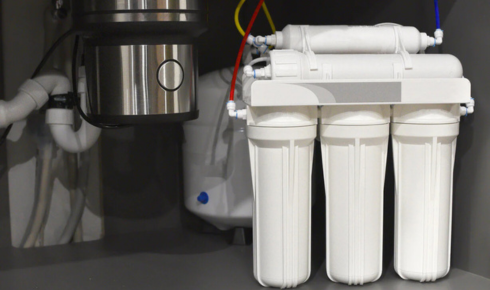
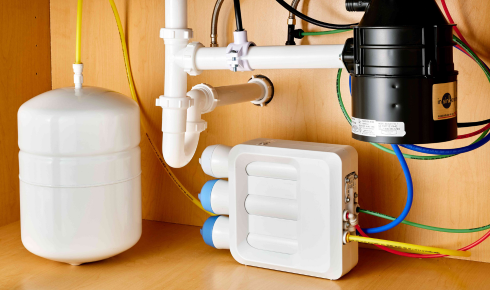
Yes, a reverse osmosis system is a bit of a mouthful (pun intended), but it’s one of the most efficient and popular filtration options available. It removes contaminants down to the tiniest molecules, giving you water that’s crisp, pure, and honestly—delicious.

Hard Water Isn’t Just a Nuisance, It’s a Silent Wrecking Ball

Back to hard water for a second—because it’s more than a skin-deep issue. The high mineral content in hard water can slowly corrode pipes, reduce the efficiency of your water heater, and cause limescale buildup in your washing machine or dishwasher. Over time, this means repairs. Or worse, replacements. And those bills? They add up.

If your soap isn’t sudsing up, your towels feel like sandpaper, or your tea kettle keeps developing a crusty ring—you’re not imagining things. You need hard water solutions that treat the source, not just the symptoms.

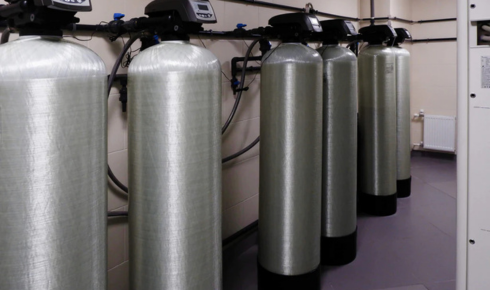
Systems like water softeners, paired with filtration, help strip those excess minerals and preserve your plumbing and appliances. It’s like giving your house a protective shield—one that pays off in fewer maintenance headaches.

The Human Side of Water

Here’s the deal: clean water isn’t just about science or mechanics. It’s about the comfort of making a cup of tea that actually tastes like tea. It’s about washing your baby’s bottles with peace of mind. It’s about knowing that when you turn on the tap, what flows out is something you can trust.

And yeah, it’s about skipping the endless Brita refills, too.

Because there’s something deeply satisfying about taking control over something so essential. Like flicking a switch on peace of mind.

Final Thoughts: It’s Time to Rethink What You’re Drinking

If you’ve been putting off upgrading your water system, consider this a gentle nudge.

No scare tactics. No fancy jargon. Just the truth: your water could be better. You and your family deserve better. Whether that means a simple under-sink filter or a full-home system, start where you are—and grow from there.

And remember, water filtration installation isn’t about installing gadgets. It’s about improving quality of life, one sip at a time.

The Clear Truth About Clean Water: Why What Comes Out of Your Tap Deserves a Second Look

0

We take water for granted. It’s there when we brush our teeth. It steams our tea, cools our showers, and washes the grit of the world from our hands. But beneath its calm, clear appearance, your home’s water might not be quite as “pure” as it looks. And the truth is, most of us don’t really think about it—until there’s a strange odor, a rusty stain in the sink, or a kid asking, “Can I drink from this?”

That’s when the questions start rolling in: Is my tap water safe? What exactly is in there? Do I really need to worry? And maybe more importantly—what can I do about it?

Let’s pull back the curtain on what’s flowing through your pipes and why knowing the full story matters more than ever.


The Invisible Side of Everyday Water

Here’s the thing: municipal water is treated, sure—but that doesn’t mean it’s pristine. Depending on where you live, your water might carry traces of chlorine, pesticides, heavy metals, or even remnants of pharmaceutical drugs. Sometimes it’s the plumbing itself—older pipes can leach lead or other metals into the supply.

And if you’re on a well system? It’s a bit of the Wild West. Your water’s safety depends almost entirely on nature, soil, nearby agriculture, and your own vigilance. Yet even many city dwellers assume what’s coming through the tap is perfectly clean, which… it usually isn’t.

That’s where water treatment services come in—not the bulky jugs from the grocery store or the fridge filter that hasn’t been changed in two years, but professional-level, whole-house solutions tailored to your home’s specific needs.


It’s Not Just About Clean—It’s About Confidence

You shouldn’t need a chemistry degree to trust your own water. But unfortunately, that’s where we’re at in some communities. Chlorine might keep bacteria at bay, but it leaves that odd pool smell behind. Hard water minerals can wreck appliances over time. Iron stains tubs and toilets. And invisible contaminants? Well, they don’t announce themselves.

Testing is the first step toward certainty, and yes—companies now offer free water testing that’s actually worth something. No gimmicks, no pressure tactics—just real lab results or on-site diagnostics that tell you what’s in your water. From there, it’s easier to make informed decisions without guessing.

It’s like going to the doctor for a check-up—you may feel fine, but wouldn’t you want to know if something was brewing under the surface?


Your Water, Your Rules

Every home is unique, and so is its water. A family with a baby might be concerned about nitrates. A rural home might battle sulfur smells or sediment. Someone with sensitive skin might notice a rash that seems to calm down only when away from home.

Luckily, today’s filtration systems are smarter and less invasive than ever. You don’t have to remodel your kitchen or install anything unsightly. Modern water systems home setups can integrate right at the point of entry—quietly scrubbing your water clean before it touches a faucet or showerhead.

Some remove only chlorine or hardness. Others go after bacteria, arsenic, or VOCs. It all depends on what the testing shows. And the beauty is, once the system is in place, you don’t have to think about it every day. It just… works. Like water should.


The Emotional Ripple Effect

There’s something deeply personal about water. It’s not just utility—it’s comfort, it’s health, it’s peace of mind. The moment you stop second-guessing what’s in your glass or on your child’s skin, life feels simpler. It’s one less worry in a world that’s already full of them.

I spoke to a mom recently who said, “I didn’t realize how much stress our water was causing until it wasn’t anymore.” Her son had eczema flare-ups that cleared when they switched to a filtered system. Her dishes stopped getting chalky spots. Her tea even tasted better.

And that’s the part most people overlook. We don’t install water systems just because it’s smart. We do it because it feels better living with clean water. We bathe in it, cook with it, breathe it in steam form. It touches every corner of our lives.


Wrapping It Up

If your water feels “off,” if you’re tired of hard stains, mystery smells, or just plain uncertainty—know that you’re not imagining things. And more importantly, you’re not stuck with it. You can take control of your water quality without going overboard, starting with something as simple as a no-strings-attached test.

From Tap to Trust: One Homeowner’s Honest Take on Cleaner Water

0

If you’ve ever cringed while taking a sip from your own kitchen faucet—or stared at the stubborn white streaks on your freshly cleaned dishes—you’re not alone. I’ve been there. Honestly, I lived there longer than I’d like to admit. And like a lot of people, I chalked it up to “just the way our water is around here.” But the truth? That was just an excuse I used to avoid dealing with the real problem.

I didn’t need a new dishwasher or more expensive soap. I needed to rethink the water flowing through every pipe in my house.

Let me walk you through what happened when I finally got serious about my home’s water quality. Spoiler: it changed everything from how my skin feels to how my coffee tastes.


The Wake-Up Call: Something Was Off

I started noticing it in the little things—our clothes weren’t as soft, my skin felt itchy in winter even with moisturizers, and the tap water? Honestly, it had this strange metallic tang that made me avoid drinking it. My wife mentioned her hair felt different too, more brittle than usual. But for the longest time, I just shrugged and figured it was “normal.”

Then one day, I came across a video about water filtration installation, and it kind of hit me. Why was I spending money on bottled water, fancy filters for the fridge, and skin treatments, when maybe—just maybe—our water needed fixing at the source?


What a Real Fix Looks Like

Installing a home filtration system felt like a big leap. I’m not a plumber, and I don’t play one on weekends either. So I did what anyone would—I called a local service and asked them to come test our water. Turns out we had all sorts of stuff in there: chlorine, sediment, minerals, even traces of rust. Not dangerous per se, but definitely not ideal.

The crew recommended a full filtration setup tailored to our area. And let me say, the water filtration installation wasn’t just throwing a filter under the sink and calling it a day. They looked at where we get our water, how much we use, and where the pressure points were—then put together a real, long-term solution.

I know the term “installation” might sound intimidating or expensive, but in our case, it paid for itself within a few months—no more bottled water runs, no more replacing prematurely worn appliances, and fewer arguments about whose turn it was to scrub mineral stains from the toilet.


The Hard Truth About Hard Water

Okay, let’s talk about one of the sneakiest culprits in all of this: hard water. It’s one of those things you don’t really think about until it’s ruining everything from your water heater to your hair. We had it bad. Soap wouldn’t lather right, glassware had that permanent fog, and faucets got crusty faster than I could clean them.

Installing a system specifically designed for hard water solutions made an immediate difference. And I mean immediate. Showers felt better, dishes sparkled, and we started using less detergent for both laundry and dishes. Even my skin stopped feeling like it had been lightly sandpapered after every rinse.

Hard water is more than just a minor annoyance—it’s a slow burn that wears down your plumbing, your appliances, and your patience. And solving it isn’t some luxury—it’s basic home maintenance we all tend to put off until it’s too late.


Clean Drinking Water: A Whole New World

We also decided to go a step further and install a reverse osmosis system for our drinking water. I’m not exaggerating when I say it’s the best water I’ve ever tasted in my life. Smooth, crisp, and clean—like mountain spring water, but from our tap.

Reverse osmosis doesn’t just “filter” water. It strips it down to its purest form by pushing it through a semipermeable membrane that leaves behind contaminants, minerals, and impurities. The result? Water you can trust. We use it for coffee, cooking, smoothies—you name it. And yeah, we haven’t bought bottled water in months.


Wrapping It All Up (Without the Sales Pitch)

So, is it worth it? Absolutely. Not because it’s trendy or fancy, but because it actually improves how we live every day. You don’t need to be a water geek or a DIY wizard to make smart choices about your home. You just need to care enough to stop settling.

If you’ve been on the fence about treating your water, here’s my two cents: test it. Talk to a real human who knows this stuff. And don’t wait until your appliances start breaking down or your skin turns into parchment paper. Better water is better living—plain and simple.

And once you taste and feel the difference? You’ll wonder why you waited so long.

Designing Spaces That Feel Like Home: The Real Art Behind Creating Environments You Love

0

There’s something wildly satisfying about walking into a space that just feels right. It doesn’t have to be extravagant or Pinterest-perfect. But it flows. It functions. It feels like it belongs to you — and you belong in it. That’s the sweet spot of great design, and getting there isn’t always about Pinterest boards or the latest TikTok aesthetic. It’s often about digging deep into what you need, how you live, and what makes you feel at peace.

That’s where good planning begins. Not with trends, but with intention.


You Don’t Need to Know What You Want — Just Be Willing to Talk About It

Here’s the thing: Most people don’t walk into a design meeting with a crystal-clear vision. They come in with a tangle of ideas, screenshots, maybe a sketch or two. And that’s completely fine — it’s expected. The first step to shaping any space that feels personal and functional is having a home design consultation. It’s not about being fancy or committing to an expensive overhaul. It’s about conversation. It’s your chance to talk through your lifestyle, your habits, your clutter zones, and your “if-only-we-had” wishes.

Think of it like therapy, but for your living space. You’re not getting judged for that awkward corner or your mismatched furniture. You’re simply making sense of it all with someone trained to translate your mess of ideas into something beautiful.


Design That Starts with Real Life, Not Mood Boards

Let’s be honest, not all of us live in a showroom. Kids spill juice, pets shed, socks never quite make it to the hamper. That’s life. And design that doesn’t consider these everyday realities is bound to disappoint you eventually.

That’s where living space planning really shines. It’s the intersection of dream and do-able. A good designer won’t just ask, “What style do you like?” They’ll ask, “Where do you drop your bag when you walk in?” or “Do you ever actually use that formal dining room?” It’s about function — not fantasy. Creating flow that reflects how you live, not how a catalog looks.

A cozy nook by the window isn’t just charming — it’s a way to reclaim peace in your busy day. A kitchen island with extra seating isn’t just stylish — it’s where your teenager tells you about their day while pretending not to. These are the things that matter. Not just design choices, but life choices.


Renovation Without the Panic Attacks

Now let’s talk about the dreaded “R” word: renovation. We’ve all heard the horror stories — budgets gone wild, timelines slipping through your fingers, dust in places dust should never be. And yeah, all that can happen. But it doesn’t have to.

A thoughtfully planned home renovation doesn’t just spring out of nowhere. It’s layered with logistics, planning, honest budgeting, and — above all — patience. The key is working with professionals who prioritize clear communication and who aren’t afraid to tell you what won’t work, too.

Sometimes it means dialing back your expectations, and other times it means being braver than you thought. You might find yourself knocking down a wall you never considered, or skipping the trend you thought you loved. That’s part of the magic — the transformation doesn’t just change the walls; it often changes how you see your home (and yourself) altogether.


The Home You Want Might Be Hiding in Plain Sight

One of the most underestimated joys of home design is realizing you don’t need more — you just need different. Different flow. Different light. Different textures. You’d be amazed at how much can shift with a new layout, better storage, or simply knowing what to remove instead of what to add.

That gallery wall you keep meaning to start? It might only take one bold frame to get you going. The bedroom that never quite relaxes you? Maybe it’s not the paint color — maybe it’s the lighting. These aren’t oversights; they’re opportunities. And once you start seeing your home through that lens, the design process stops feeling intimidating and starts feeling empowering.


It’s Your Space. Make It Worth Coming Home To.

Here’s the truth: You don’t have to be a design expert to have a space that works beautifully for you. What you do need is a little intention, a little guidance, and a whole lot of honesty about what makes you feel good in your own home.

A well-designed home doesn’t shout. It doesn’t try too hard. It whispers in the background, quietly supporting the life you want to live.

When the Dryer Quits and the Fridge Goes Warm: Real Talk on Appliance Repair in Birmingham, AL

0

It always happens on a Sunday morning, doesn’t it? You’re halfway through making pancakes, and boom—your stove stops heating. Or maybe you’re rummaging through the freezer for that last bag of peas, only to discover everything inside is doing a slow melt. Home appliances, those background heroes of our daily lives, have a way of breaking down just when you need them most.

Living in Birmingham, Alabama, you know how essential it is to have your household humming along. But when things go south, where do you turn? There’s no shortage of companies claiming to fix your machines. But finding someone who gets it—someone who shows up, knows what they’re doing, and treats your kitchen like their own? That’s a whole different story.

Let’s talk about it.


You Don’t Appreciate the Oven Until It’s Cold

Let’s be honest. Most of us don’t give a second thought to our appliances—until they stop working. And when they do, it’s not just a matter of inconvenience. It disrupts your rhythm, your plans, your groceries, and sometimes your sanity. If you’ve got a family or roommates, that pressure to “fix it fast” is very real.

This is where Birmingham AL home appliance repair services come into play. The right technician isn’t just fixing wires and circuits—they’re restoring a little order in your day-to-day. That’s why local, reliable service matters so much. You don’t want to call a call center three states away. You want a neighbor. Someone who knows Birmingham’s climate, homes, and even those quirks that come with old Southern houses and their aging appliance hookups.


The DIY Trap: Why You Might Regret That YouTube Tutorial

Look, we get it. YouTube makes everything look doable. One minute you’re watching a guy in Idaho dismantle a washing machine, and the next you’re elbow-deep in screws, rubber seals, and what may or may not be your lint trap.

But here’s the thing—modern appliances are smarter, more complex, and way less forgiving. What used to be a quick fix with a wrench now sometimes needs diagnostic software, proprietary tools, or updated circuit boards. One wrong move and you’re not just risking the machine—you’re risking your floors, your electrical system, maybe even your safety.

That’s why Birmingham AL major appliance service professionals exist. These folks are trained to handle the stuff that looks deceptively simple but is anything but. They’ve seen the models, old and new. They know which brands are fussy and which parts tend to fail first. Most importantly, they can get you back up and running with a warranty behind their work—something that YouTube video definitely doesn’t offer.


What Makes a Great Repair Company? (Hint: It’s Not Just Tools)

So you’re scrolling through reviews, trying to pick a place. Everyone promises fast service and great prices. But what separates the okay from the excellent?

It’s how they make you feel.

Did they answer the phone like you mattered? Did they explain the issue in plain English? Were they honest about whether it was worth fixing or better to replace?

A truly trustworthy Birmingham AL appliance repair company does more than just get the job done—they treat your home with respect. They show up when they say they will. They leave the space clean. They don’t nickel-and-dime you with surprise fees. And maybe most importantly, they give you peace of mind that next time something breaks (because let’s face it, it will), you know exactly who to call.


Word of Mouth Still Reigns Supreme

Ask around. Ask your neighbor, your barber, your friend from church—chances are, someone local has a go-to repair service they swear by. Birmingham’s got a lot of heart, and people here don’t recommend businesses lightly. So if someone says, “Call this guy; he saved my fridge,” you take that seriously.

Also, don’t be afraid to support the smaller operations. Sure, the national chains have flashy ads and online portals, but some of the best service comes from the guy with the hand-painted van who’s been doing this for 20 years. Experience, care, and reputation can go a long way.


Final Thoughts: Appliances Break. Trust Shouldn’t.

At the end of the day, appliances are machines—they’ll wear out, glitch, and frustrate you from time to time. That’s just life. But you shouldn’t have to lose sleep wondering who to call when it happens. Knowing there’s a local, skilled, and trustworthy expert just a phone call away? That’s something every Birmingham household deserves.

Why Iron Doors Are Making a Bold Comeback in Modern Homes (and What You Should Know Before Buying One)

0

So you’re thinking about upgrading your front door? Good call. The entryway to your home is more than just a practical barrier—it’s a statement. And lately, more homeowners are turning to iron doors to make that statement loud and clear. Not flashy. Not gaudy. Just bold, beautiful, and built to last.

But before you dive into an iron door purchase, let’s talk about the “why,” the “what,” and the “where” of it all.


Timeless Strength Meets Modern Aesthetics

Let’s be honest—wooden doors are nice. Classic. Familiar. But over time? They warp, crack, and demand constant maintenance. Fiberglass? Eh, it gets the job done. But iron… Iron doors are in a league of their own.

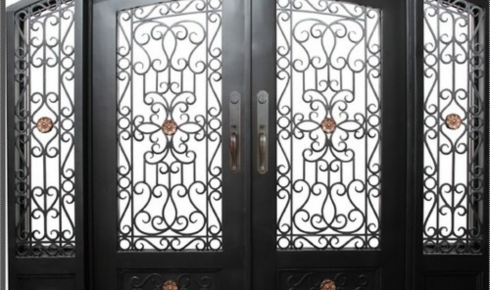
They’re sleek, secure, and solid as a rock. Plus, with today’s designs—scrollwork, glass panels, matte or glossy finishes—iron doors no longer scream “bank vault.” They whisper elegance, strength, and personality.

Homeowners are starting to realize they don’t have to sacrifice style for security. An iron door does both—and does it well.


Shopping for Doors in the Digital Age

Here’s where it gets tricky: choosing the right one.

You might be tempted to run down to the nearest hardware store or local showroom, but hold on. The better (and often more affordable) selection lives online. Yes, seriously. You can now browse an entire gallery of ornate, custom-sized, fully-welded entries from the comfort of your couch.

The beauty of online iron doors is the sheer variety. Whether you’re going for a modern farmhouse look or leaning into French industrial chic, there’s a digital shop out there with exactly what you’re envisioning—and probably five other designs you hadn’t even considered.

Just make sure you’re buying from a reputable seller. Look for reviews, real photos from customers, and transparency on lead times and return policies. If the site feels sketchy, it probably is. Trust your gut.


Pricing: More Affordable Than You Might Expect

Now let’s talk money. There’s a common myth that iron doors cost a small fortune. Yes, they can be pricey—especially custom builds or hand-forged artistry—but they’re also more attainable now than ever before.

That’s where wholesale door pricing comes into play. By cutting out the middleman (or at least sidestepping a few of them), many companies are able to offer surprisingly fair prices. Especially if you’re purchasing more than one door—say for a new build or renovation—buying in bulk or through trade networks can save you thousands.

The key is to balance price with quality. Don’t chase the cheapest deal just for the sake of it. A poor-quality door will rust, stick, or warp, defeating the purpose entirely. But a fairly priced, well-crafted door? That’s an investment that pays you back in curb appeal, security, and peace of mind.


The Installation Question (Don’t Skip This)

You found your dream door. It’s everything you wanted—arched top, frosted glass, hand-welded scrolls. Great. But who’s going to install it?

A lot of buyers don’t consider this part until the door shows up on their doorstep—literally. Iron doors are heavy. They often require reinforcements, proper framing, and specialized tools to install correctly. So unless you’ve got some serious DIY chops (and maybe a forklift lying around), hire a pro.

Trust me, you don’t want to spend good money on a gorgeous door just to botch the installation. Pay for expertise—it’s worth it.


A Final Thought Before You Hit “Add to Cart”

A front door is more than a slab of material on hinges. It’s the first thing guests see. It’s the line between safe and vulnerable. And it’s one of the few architectural features that genuinely affects both the interior and exterior of your home.

When Your Water Fights Back: One Minnesota Family’s Journey to Softer, Cleaner Living

0

Let’s just say this: you never truly appreciate good water until you don’t have it.

For us, it started small. The dishes came out of the dishwasher with weird spots. My husband’s razor blades were dulling way too fast. The kids started complaining about itchy skin after showers. We brushed it off at first. It’s just water, right?

But it wasn’t just water. It was hard water. And it was quietly messing with everything—from our plumbing to our skin.

Living in Hutchinson, MN, we’re no strangers to mineral-rich water. But after months of dealing with the consequences, we realized it was time to stop wrestling with the problem and do something smarter. That’s when we started looking into a Hutchinson MN water softener system install—and wow, what a difference.


The (Very Real) Struggles of Hard Water

If you’ve never dealt with hard water, count yourself lucky. But for most people around central Minnesota, it’s a pretty common issue. Hard water basically means your water contains high levels of calcium, magnesium, and other minerals. Totally natural—but incredibly annoying.

Laundry gets stiff and faded. Soap doesn’t lather right. Your appliances take a hit over time. Honestly, I thought our water heater was just acting up because it was old. Turns out, hard water buildup was cutting its life short.

That realization sparked our hunt for a hard water treatment that could handle the mess without costing a fortune or requiring a plumbing degree to operate.


Not All Water Softeners Are Created Equal

The internet’s a blessing and a curse. So many reviews, options, blog posts, and YouTube guys explaining filtration systems with whiteboards and too much enthusiasm.

What helped most was talking to local pros. Folks who actually understand Hutchinson’s water conditions and what works here. After some research and a few site visits, we settled on a dual setup—water softener plus RO (reverse osmosis) filtration for drinking water. Honestly, I wish we’d done it sooner.

The water softener targets the minerals, while the RO system filters out other impurities like chlorine, heavy metals, and even funky tastes.


What Changed After Installing the System?

I know it sounds dramatic, but everything changed.

Showers feel smoother—less of that “tight skin” feeling. My coffee tastes like coffee again, not like it brewed through a coin jar. The kids’ eczema calmed down noticeably. And we’re not blowing through bottles of lotion and shampoo just to compensate for bad water.

It’s weirdly satisfying watching suds actually foam up in the sink. My laundry’s softer, the dishwasher isn’t struggling, and our plumbing? Well, let’s just say the water pressure is back to what it should be.

Not to mention we’re probably saving money in the long run by avoiding mineral damage to the water heater, washing machine, and everything in between.


What to Know Before You Make the Jump

If you’re considering a system, don’t just go with the cheapest thing online. Trust me. Water is something you use every day—on your skin, in your food, for your health. It’s not where you want to cut corners.

We worked with a local installer who really understood the quirks of our region’s water. He helped size the softener correctly, explained salt usage (which turned out to be lower than I expected), and made sure our reverse osmosis filter was tuned for drinking water.

Getting a Hutchinson MN water softener system install done right the first time saved us a lot of future headaches.


Is It Worth It?

If you’re on the fence—maybe wondering if your water is really that bad—here’s my advice: trust your instincts. If your hair’s been frizzier, your dishes aren’t getting clean, or your appliances are aging faster than you are… that’s your water talking.

This isn’t just about convenience. It’s about health, home value, and comfort. I didn’t realize how much water quality affected our daily lives until it improved. It’s like upgrading your home without any major renovation.


Final Thoughts

I never thought I’d care so much about water. But now that we’ve upgraded to a proper RO water system it’s honestly one of the best decisions we’ve made for our home and family.

Cleaner, softer water doesn’t just feel better—it makes everything work better. From our morning showers to our evening tea, it all feels noticeably improved.

And if you’re in or around Hutchinson, MN? There’s no shortage of great people who can guide you through the process and tailor the system to your needs.

So go ahead. Make the leap. Your water—and everything it touches—will thank you.

Solving the Stubborn Water Problem: A Placentia Homeowner’s Guide to Softer, Cleaner Water

0

If you’ve ever stepped out of a shower in Placentia, California, only to feel like there’s still a film on your skin—or spotted white mineral stains on freshly washed dishes—chances are, you’ve already met hard water solutions. It’s not exactly the neighbor you want hanging around, but for many households in Orange County, it’s a daily nuisance.

The truth is, water should work with your home, not against it. But hard water, rich in minerals like calcium and magnesium, tends to leave its mark on everything—from your plumbing and appliances to your skin and laundry. The good news? You don’t have to live with it forever.


It’s Not Just Annoying—It’s Costing You

Hard water doesn’t just dull your hair or leave streaks on your shower door. Over time, those minerals build up in pipes, water heaters, and dishwashers, quietly shortening their lifespan. Heating elements get crusted over. Flow slows down. Energy bills creep up. So yeah, it’s more than just an aesthetic issue.

And let’s not forget the little things that add up: the extra detergent you use to get your clothes clean, or the skincare products you buy trying to combat dry, itchy skin. These are all signs it’s time to do something about it.


Why Placentia Homes Need a Little Extra Help

In many parts of Southern California, the water is sourced from underground aquifers or imported from distant regions—both of which contribute to its high mineral content. Placentia residents, especially those living in older homes, often report issues that trace back to untreated hard water.

That’s why Placentia CA water softener installation has become more than just a luxury—it’s a smart upgrade. A quality water softener filters out the minerals that cause hard water in the first place, helping extend the life of your plumbing and appliances, and making water feel better on your skin and hair.


What Exactly Is a Water Softener, Anyway?

Think of a water softener as a kind of bouncer for your water system. It uses a process called ion exchange to swap out calcium and magnesium ions (the culprits behind hard water) for sodium or potassium ions. The result? Water that’s friendlier to your pipes, clothes, and skin.

These systems typically live near your main water line, so they treat all the water coming into your home. Installation usually takes just a few hours, and maintenance is fairly low-key—just keep an eye on the salt levels and clean the tank occasionally.


Exploring All Your Hard water solutions

Not every home has the same needs, and that’s where it gets interesting. For small households or those with space limitations, compact softeners or combo systems might do the trick. Others might benefit more from salt-free conditioners or electronic descalers, especially if they’re concerned about sodium intake or environmental impact.

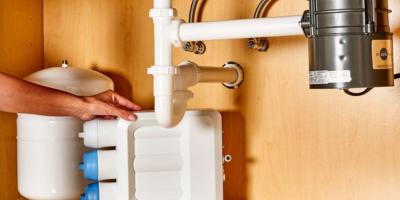
Some homeowners even choose to mix and match—installing a water softener for the whole house, while using RO filter systems under the kitchen sink for drinking and cooking water. These filters, which use reverse osmosis to remove contaminants, can be a game-changer for those worried about water taste or purity.

The point is, there’s no one-size-fits-all solution—but there are a lot of great options if you know what to look for.


Installation Isn’t a DIY Job (Trust Us)

Sure, you can probably watch a YouTube video and attempt it yourself. But unless you’ve got plumbing experience, a full afternoon, and the patience of a saint, you might want to leave it to the pros. Not only will a licensed installer make sure everything’s hooked up correctly, they’ll also help you size the unit properly and show you how to care for it.

Plus, when done right, your system can last 10–15 years or more with minimal fuss. That’s the kind of long-term peace of mind any homeowner can appreciate.


Better Water, Better Life

Imagine stepping into the shower and feeling like your soap actually rinses off. Or pulling your favourite black shirt out of the wash without a constellation of white specks on it. Or sipping water straight from your tap and thinking, “That tastes… clean.”

Water quality touches almost every part of your home life. Once you’ve made the switch, it’s hard to believe you ever tolerated anything less.

Whether you’re chasing clearer skin, fewer plumbing problems, or simply want to do right by your home, investing in a system that addresses hard water is a smart, satisfying move. From Placentia CA water softener installation to RO filter systems, the options are there—you just need to take the first step.

Feeding Chair for Infants: A Must-Have for Modern Parenting

0

As a parent, ensuring the safety, comfort, and health of your child is always a top priority. One of the essential items in the journey of parenthood is a feeding chair for infants. This seemingly simple piece of furniture plays a crucial role in creating a pleasant feeding experience for both babies and parents. From promoting good posture to supporting a mess-free mealtime, the right feeding chair can make all the difference in your daily routine.

What is a Feeding Chair for Infants?

A feeding chair, also known as a high chair, is specially designed for babies and toddlers during their weaning stage. These chairs allow infants to sit upright while eating, offering a safe and controlled environment for them to explore different foods. Most feeding chairs come with secure harnesses, adjustable trays, padded seats, and non-slip legs to enhance safety and comfort.

Importance of Using a Feeding Chair

Using a feeding chair is not just about convenience—it offers numerous benefits that support your baby’s physical and cognitive development. Here are some reasons why every household with a baby should consider investing in a feeding chair:

  1. Encourages Good Posture
    Feeding chairs are designed to help infants sit in an upright position. This posture is essential for safe swallowing and digestion, reducing the risk of choking and indigestion.
  2. Creates a Routine
    Having a designated space for feeding helps babies associate mealtimes with a specific activity. This builds a healthy routine and discipline from an early age.
  3. Supports Independence
    As your baby grows, they can start self-feeding from the chair. It encourages motor skills and hand-eye coordination, essential for overall development.
  4. Enhances Safety
    Feeding chairs come equipped with safety belts and stable structures, minimizing the chances of slipping or falling during meals.
  5. Keeps the Eating Area Clean
    With a feeding chair, food mess is confined to a specific area, making clean-up significantly easier for parents.

Features to Look for in a Feeding Chair

When buying a feeding chair, consider the following features to ensure it meets your baby’s needs and is convenient for you:

  • Adjustable Height and Recline: Allows the chair to grow with your baby and adapt to different stages of development.
  • Removable Tray: Makes cleaning easier and gives flexibility during feeding.
  • Safety Harness: A 5-point or 3-point harness keeps your baby secure while seated.
  • Sturdy Build and Materials: Look for a chair with a strong frame and baby-safe materials free from harmful chemicals.
  • Foldability and Portability: If space is an issue, a foldable design or travel-friendly option might be ideal.

Types of Feeding Chairs Available

Feeding chairs come in various styles to suit different lifestyles and budgets:

  • Traditional High Chairs: Simple design with basic features; ideal for everyday use.
  • Convertible Chairs: Can be converted into a toddler chair or booster seat, offering long-term value.
  • Hook-On Chairs: Attach to dining tables and are perfect for compact living spaces or travel.
  • Booster Seats: Placed on regular chairs to raise the child to table height; great for older infants.

Why Feeding Chairs are a Smart Investment

In the long run, investing in a quality feeding chair can save time, reduce stress, and promote your baby’s development. With multiple models available in the market, you can choose a chair that complements your home décor, is easy to maintain, and suits your specific needs. It’s not just a chair—it’s a supportive tool in nurturing your child’s eating habits and growth.

Whether you are introducing your baby to solid foods or training them to eat independently, a baby high chair is an essential part of the parenting toolkit. It not only ensures a hygienic and organized feeding environment but also fosters bonding during mealtime.

Wicker Trunks: Timeless Charm and Practical Elegance for Your Home

0

In the world of home décor and storage solutions, few items combine functionality and aesthetic appeal as beautifully as wicker trunks. These versatile pieces have stood the test of time, transcending trends to remain a beloved choice for homeowners and interior designers alike. From their rustic charm to their practical utility, wicker trunks add a unique character to any living space while offering smart storage solutions that keep your home organized and stylish.

🌟 Discover the Perfect Wicker Trunks for Your Home!
 Looking to add charm and functionality to your space? Explore our exclusive collection of handcrafted Wicker Trunks at Wicker Warehouse. With over 45 years of experience, we bring you the finest quality, style, and value.

📞 Call Us: 1-800-274-8602
 📧 Email: sales@wickerwarehouse.com
 ⏰ Hours:
 Mon–Thu: 9:30 AM – 4:30 PM (ET)
 Fri & Sat: 9:00 AM – 3:30 PM (ET)

✨ Shop today and enjoy timeless designs delivered straight to your doorstep!

The Enduring Appeal of Wicker Trunks

Wicker trunks are far more than simple storage containers. They embody a sense of nostalgia and craftsmanship that modern plastic or metal alternatives often lack. Crafted from natural materials like rattan, cane, or bamboo, these trunks bring a touch of the outdoors inside, creating a warm and inviting atmosphere. Their handwoven texture tells a story of tradition and artistry, which resonates with those who appreciate timeless design elements.

For centuries, wicker trunks have been used to store household essentials, from linens and blankets to toys and keepsakes. Their enduring popularity lies not only in their functionality but also in their ability to blend seamlessly into various interior styles, whether it be coastal, bohemian, farmhouse, or even contemporary.

Versatility That Enhances Every Room

One of the greatest strengths of wicker trunks is their remarkable versatility. They are not confined to a single purpose or room, making them a truly dynamic addition to your home. In the living room, a large wicker trunk can serve as both a coffee table and a hidden storage unit for throws and magazines. Placed at the foot of a bed, it becomes an elegant storage solution for bedding or seasonal clothing, while adding a touch of rustic charm to the bedroom décor.

In children’s rooms, wicker trunks are perfect for organizing toys and books, fostering a clutter-free environment without compromising on style. Even in bathrooms, smaller versions can hold towels and toiletries, creating a spa-like feel. Their neutral tones and natural materials effortlessly complement various color palettes and design schemes, making them an adaptable choice for any home.

Sustainability and Eco-Friendly Benefits

As more homeowners become conscious of their environmental footprint, wicker trunks stand out as an eco-friendly alternative to synthetic storage solutions. Made from renewable materials, these trunks support sustainable practices and reduce dependence on plastics. Many artisans craft wicker trunks using traditional weaving techniques, further minimizing the environmental impact.

By choosing wicker trunks, you are not only investing in a stylish and functional piece but also supporting a more sustainable lifestyle. Their durability ensures they will serve your household for years, reducing the need for frequent replacements and contributing to a less wasteful home.

Choosing the Perfect Wicker Trunk for Your Space

Selecting the right wicker trunk involves considering both function and form. The size of the trunk should correspond to its intended use and the available space in your home. A larger trunk may be ideal for storing bulky items like bedding, while smaller options are perfect for keepsakes or entryway essentials.

Pay attention to the weave quality and finish. A tightly woven trunk with a smooth, even finish indicates superior craftsmanship and will likely last longer. Additionally, consider whether you prefer a natural look or a painted finish to match your décor style. Some wicker trunks come with decorative elements such as leather straps or metal latches, adding an extra layer of charm and character.

Caring for Your Wicker Trunks

To ensure your wicker trunks remain beautiful and functional, proper care is essential. Regular dusting with a soft cloth or vacuuming with a brush attachment keeps them clean and free of debris. Avoid placing them in areas with excessive moisture or direct sunlight, as this can cause the natural fibers to warp or fade over time.

If your wicker trunk becomes stained, a gentle cleaning solution of warm water and mild soap, applied with a soft brush, can help restore its appearance. Always allow the trunk to dry completely before using it again to prevent mildew or damage to the weave.

Why Wicker Trunks Are a Worthy Investment

Wicker trunks are more than just storage units; they are timeless pieces that add depth, texture, and warmth to any home. Their combination of style, sustainability, and practicality makes them a valuable investment for homeowners seeking to enhance their living spaces. Whether used as decorative accents or as essential storage, wicker trunks bring a sense of balance and harmony to modern interiors.

As trends come and go, the natural beauty and functionality of wicker trunks ensure they will remain a cherished part of home décor for generations to come. Their unique ability to marry form and function makes them an indispensable addition to homes of every style and size.

Conclusion: Elevate Your Home with Wicker Trunks

Incorporating wicker trunks into your home is a simple yet transformative way to enhance both style and organization. These timeless pieces offer a perfect blend of practicality and aesthetic appeal, making them a favorite among design enthusiasts and practical homeowners alike. Whether you are drawn to their eco-friendly nature, their artisanal craftsmanship, or their versatile uses, wicker trunks promise to enrich your living space with charm and character. Choose a wicker trunk today and experience the difference it brings to your home.