Home Blog

Hidden Gems Around Seoul

0

Seoul blends palaces and hanok lanes with round-the-clock shopping, K-food and mountain views. It’s a city that runs late and rewards night owls. A little planning goes a long way. If you’re planning a trip, it’s worth book your Seoul trip on Traveloka before you lock in your dates.

The food you came for

Korean barbecue, bibimbap, tteokbokki and fried chicken with beer are essential eating. The street stalls and late-night spots are where the city really shows off. Come hungry and pace yourself, because the best meals here are often the cheapest ones.

Where to eat and explore

Make time for Gyeongbokgung Palace and the changing of the guard, the Bukchon Hanok Village, a night among Myeongdong’s street stalls, the view from Namsan Seoul Tower, and a day trip to the DMZ. Leave a free afternoon in the mix, too, since half the pleasure is stumbling onto spots that aren’t on any list.

Where to stay

Myeongdong and Hongdae are lively and central; Bukchon and Insadong keep the traditional feel. Stay near a subway line and everywhere is quick to reach. Traveloka is our default for hotels here, since it’s the best OTA in the region and usually has the lowest room rates. Book early for weekends, when the best-value rooms tend to go first.

Getting there

Incheon (ICN) is the main gateway, and the airport express (AREX) runs straight into the city. Gimpo handles some shorter regional routes closer to town. In our experience Traveloka turns up the lowest airfares in the region, which makes locking in a cheap seat straightforward. Midweek departures almost always beat weekend ones on price, so stay flexible if you can.

Getting around

Get a T-money card for the excellent, cheap subway, which also works in convenience stores. Signage is bilingual and easy to follow. A little local know-how saves both time and money over a short trip.

Best time to visit

Spring and autumn are mild and beautiful; winters are cold but crisp and clear. Prices and crowds both climb over public holidays, so flexible dates genuinely pay off.

Plan by area

Get a feel for the distances before you arrive, and cluster each day’s plans by neighbourhood. It’s the simplest way to see more of Seoul and waste less time getting from one thing to the next.

A little courtesy

Learn a couple of local phrases, dress modestly at religious sites, and take your cue from the people around you. Small gestures make Seoul friendlier and smooth over the little moments.

Leave room to wander

Resist the urge to over-schedule. The best memories of Seoul are usually the unplanned ones, so leave gaps for a long lunch, a wrong turn, or an afternoon that happily runs late.

Getting the timing right

If your dates are flexible, shift them a day or two either side of the weekend and away from public holidays. On Seoul routes that small change often means noticeably cheaper flights and better-value rooms.

Keep it flexible

Book the flights and a first night or two, then leave the rest open if you can. It lets you follow a local tip, chase the good weather, or simply linger somewhere in Seoul you weren’t ready to leave.

Before you book

Lock in your dates and you’re most of the way there. Once your dates are set, book your Seoul trip on Traveloka and you’ll spend less time planning and more time enjoying Seoul.

HVAC Near Me: Trusted Heating, Air Conditioning, Plumbing, and Furnace Repair Services

A comfortable home depends on reliable heating, cooling, and plumbing systems that work efficiently throughout the year. Whether you’re dealing with a broken furnace during winter or an air conditioner that won’t cool in summer, professional technicians can restore comfort quickly. Regular maintenance and timely repairs not only improve performance but also extend the lifespan of your home’s essential systems. Choosing experienced professionals ensures quality workmanship, energy savings, and peace of mind for every homeowner.

Why Professional HVAC Services Matter

Your HVAC system plays a vital role in maintaining a comfortable indoor environment regardless of the season. Routine inspections, filter replacements, and preventive maintenance help reduce energy consumption while preventing expensive breakdowns. Professional technicians use advanced tools to diagnose problems accurately and recommend cost-effective solutions that keep your system operating efficiently for years.

When searching for hvac near me, homeowners should choose licensed and insured contractors with strong customer reviews. Reliable companies provide prompt service, transparent pricing, and dependable repairs that improve indoor comfort while maximizing system performance.

Heating and Air Conditioning Solutions

Modern heating and cooling systems require expert care to perform at their best. Whether your home uses a central air conditioner, heat pump, or ductless mini-split system, routine maintenance keeps every component working efficiently. Technicians inspect refrigerant levels, thermostats, electrical connections, ductwork, and airflow to ensure reliable operation throughout the year.

Proper servicing also improves indoor air quality by removing dust buildup and ensuring adequate ventilation for healthier living spaces.

Common Signs Your HVAC Needs Repair

Ignoring minor HVAC issues often leads to major repairs later. Warning signs include uneven room temperatures, unusual noises, unpleasant odors, poor airflow, rising utility bills, and systems that frequently turn on and off. Addressing these problems early helps prevent complete equipment failure and costly replacements.

Professional inspections allow technicians to identify worn components before they cause larger mechanical issues.

The Importance of Quality Plumbing Services

A home’s plumbing system is just as important as its heating and cooling equipment. From fixing leaking faucets and clogged drains to replacing damaged pipes and water heaters, experienced plumbing professionals handle every repair efficiently.

Regular plumbing inspections help detect hidden leaks, corrosion, and water pressure issues before they create expensive structural damage or mold growth inside the home.

Choosing Experienced Local Plumbers

Finding qualified plumbing professionals ensures every repair is completed correctly the first time. Experienced technicians understand local building codes, use high-quality materials, and provide lasting repair solutions that protect your property.

Searching for plumbers with positive customer feedback and emergency availability can help homeowners receive dependable service whenever unexpected problems arise.

Benefits of Hiring Local Plumbing Experts

Working with local professionals offers faster response times, personalized customer service, and familiarity with regional plumbing systems. Whether it’s routine maintenance or emergency repairs, experienced technicians arrive equipped with the proper tools to resolve issues quickly and minimize disruptions.

Homeowners searching for dependable plumbers near me can benefit from companies that offer upfront estimates, licensed technicians, and comprehensive repair services for both residential and commercial properties.

Professional Furnace Repair Services

Your furnace is one of the most important appliances during colder months. heating air condition If it produces unusual sounds, struggles to heat your home, cycles frequently, or causes unexpectedly high utility bills, professional repair is essential.

Experienced technicians inspect burners, ignition systems, heat exchangers, thermostats, and safety controls to restore efficient operation while ensuring your family’s safety.

Preventive Furnace Maintenance

Annual furnace maintenance significantly reduces the risk of unexpected winter breakdowns. During scheduled service appointments, technicians clean internal components, replace dirty filters, lubricate moving parts, and test overall system performance.

Preventive maintenance also helps improve energy efficiency, lowers heating costs, and extends the overall lifespan of your heating equipment.

Advantages of Regular System Maintenance

Routine HVAC and plumbing maintenance offers numerous long-term benefits, including:

  • Improved energy efficiency
  • Lower monthly utility costs
  • Better indoor air quality
  • Reduced emergency repair expenses
  • Longer equipment lifespan
  • Greater home comfort
  • Increased system reliability
  • Enhanced household safety

Preventive maintenance protects your investment while keeping essential home systems operating efficiently year-round.

Conclusion

Reliable heating, cooling, plumbing, and furnace services are essential for maintaining a safe and comfortable home. Whether you need routine maintenance, emergency plumbing assistance, HVAC repairs, or furnace servicing, choosing experienced professionals ensures dependable results. Investing in regular inspections and timely repairs helps reduce operating costs, improves energy efficiency, and provides lasting comfort throughout every season.

Better Water at Home Starts With the Choices You Don’t Always See

0

Most people don’t wake up thinking about their water. They turn on the tap, fill a glass, start the shower, run the washing machine, and move on with the day. Water is just there, doing its job quietly in the background. But when something is off, you notice it fast.

Maybe the shower leaves your skin feeling dry. Maybe your dishes come out with cloudy spots. Maybe the water has a faint smell or taste that makes you hesitate before drinking it. These small everyday annoyances can seem normal after a while, but they often point to a bigger issue: the quality of water moving through your home.

Why Home Water Quality Deserves More Attention

Water affects almost everything inside a house. It touches your plumbing, appliances, laundry, cooking, cleaning, and personal comfort. So when the water contains too many minerals, chlorine, sediment, or other unwanted elements, the effects don’t stay in one place.

Hard water is one of the most common issues. It can leave buildup around faucets, showerheads, sinks, and glass doors. Over time, that same mineral buildup can also collect inside pipes and appliances. You may not see it happening, but it can slowly reduce efficiency and make equipment work harder than it should.

For families dealing with these issues, soft water can make daily life feel noticeably easier. Soap lathers better, clothes may feel smoother, and bathrooms are often simpler to keep clean. It’s not a flashy upgrade, but it’s the kind you appreciate every single day.

The Taste and Safety Side of Water

Then there’s drinking water. This is where people tend to become more careful, and rightly so. Nobody wants to wonder whether the water they’re giving their kids, using for coffee, or cooking pasta with is as fresh and clean as it should be.

Water can pick up different tastes and smells depending on the source and treatment process. Chlorine, minerals, old pipes, or sediment can all affect the final glass you pour from the tap. Sometimes the water is technically acceptable, but still not pleasant to drink. And honestly, that matters too.

Having access to clean drinking water at home gives you a little peace of mind. It can reduce the need for bottled water, improve the taste of meals and drinks, and make hydration feel less like a chore. A good filtration setup can turn tap water into something you actually want to drink.

One Tap Is Not the Whole Story

A small filter on the kitchen tap can help, but it may not solve everything. The water in your shower, laundry room, bathrooms, and appliances still matters. That’s where a broader approach can make sense.

With whole home treatment, water is improved before it travels through the rest of the house. This means the benefits are not limited to one sink or one pitcher in the fridge. Your showers, washing machine, dishwasher, water heater, and plumbing can all benefit from better-quality water.

This kind of system is especially useful in homes where multiple water concerns show up at once. Maybe there is hardness, chlorine taste, sediment, or staining. Instead of treating each problem separately in a patchy way, a whole-home solution helps create a more consistent experience from every tap.

Choosing the Right System for Your Needs

The best water treatment system depends on what is actually in your water. Guessing can lead to the wrong equipment, wasted money, or disappointing results. A water test is usually the smartest first step.

Once you know what you’re dealing with, it becomes much easier to choose the right system. Some homes need a softener. Some need carbon filtration. Others may need sediment filters, reverse osmosis for drinking water, or a combination of solutions.

A professional assessment can also help match the system to household size, water usage, plumbing setup, and long-term maintenance needs. Bigger is not always better. The right fit matters more than simply buying the most expensive option.

The Hidden Savings Over Time

Better water can feel like a comfort upgrade, but it can also protect your home. Appliances that deal with cleaner, treated water often perform more efficiently. Water heaters may deal with less scale. Dishwashers may clean better. Washing machines may need less detergent.

And then there’s the cleaning time. Less spotting, less buildup, less scrubbing around taps and shower glass. That might not sound huge, but anyone who has fought hard water stains on a Saturday morning knows it’s not exactly fun.

A Home Feels Better When the Water Is Right

Water quality isn’t always dramatic. It’s not like repainting a room or installing new cabinets. You may not see the system every day. But you feel the difference in small, repeated ways.

A better shower. A cleaner glass. Softer laundry. Fewer stains. Better-tasting coffee. Less worry about what’s coming from the tap.

That’s what makes water treatment worth thinking about. It improves the parts of home life that are easy to overlook but used constantly. And once the right system is in place, you may wonder why you waited so long to care about something so basic, and so important.

Simple Plumbing Upgrades That Can Make a Home Feel Better Every Day

0

Most homeowners notice plumbing only when something goes wrong. A slow drip at midnight. A strange stain under the sink. Water that tastes a little off, but not bad enough to complain about. These little things are easy to ignore, until suddenly they aren’t little anymore.

Good plumbing is not just about pipes hidden behind walls. It affects how clean your water feels, how smoothly your kitchen works, how safe your home stays, and even how much you spend on utilities. A few smart upgrades and timely repairs can make daily life more comfortable in ways people don’t always expect.

Clean Water Starts with Better Filtration

Water quality matters more than many people realize. Even when tap water looks clear, it may still carry minerals, chlorine taste, sediment, or other unwanted particles depending on the local supply.

That’s why some homeowners consider reverse osmosis systems when they want cleaner, better-tasting drinking water at home. These systems are designed to filter water more thoroughly than basic faucet filters, often making a noticeable difference in taste, smell, and overall confidence.

For families that drink a lot of water, cook often, or simply dislike bottled water waste, a proper filtration system can be a practical long-term choice. It brings convenience right into the kitchen, without needing to stack plastic bottles in the pantry.

Small Leaks Deserve Quick Attention

A leak rarely announces itself politely. Sometimes it starts as a tiny drip under a cabinet or a damp patch near a wall. Other times, it shows up as a sudden jump in the water bill.

Professional leak repair is important because water damage can spread quietly. A small pipe issue behind drywall can damage flooring, cabinets, insulation, and even electrical areas if ignored too long.

The tricky part is that many leaks are not visible right away. Homeowners may notice musty smells, peeling paint, soft spots in flooring, or low water pressure before they actually see water. Getting the issue checked early can prevent expensive repairs later.

Faucets Do More Than Look Nice

A faucet may seem like a small fixture, but it’s one of the most used parts of any home. Kitchen faucets, bathroom faucets, laundry sink faucets — they all take daily wear.

A professional faucet installation can improve both function and style. Newer faucets often offer better water flow, cleaner design, improved handles, and features like pull-down sprayers or touchless operation.

Poorly installed faucets, on the other hand, can lead to leaks, loose fittings, and wasted water. It may look like a simple DIY task, and sometimes it is, but the difference between “good enough” and properly installed can show up after a few months of daily use.

Why Maintenance Saves Money

Many plumbing problems become expensive because they are left alone for too long. A slow drain becomes a blocked line. A loose fixture becomes water damage. A tired valve fails when nobody is home.

Routine maintenance helps catch these issues early. It gives homeowners a better understanding of what is happening behind the scenes. Pipes, seals, drains, fixtures, and water pressure all need attention from time to time.

Think of plumbing like the nervous system of a home. You don’t see most of it, but when something goes wrong, the whole house feels it.

Water Pressure Should Feel Balanced

Low water pressure can make showers frustrating and cleaning harder. High water pressure, though, is not always good either. It can put stress on pipes, fittings, appliances, and fixtures.

Balanced water pressure keeps the system working smoothly. If pressure suddenly changes, that may be a sign of a clog, leak, valve problem, or supply issue. It’s one of those warning signs homeowners should not ignore.

A plumber can test pressure and identify whether the problem is inside the home or coming from the main supply line.

Modern Fixtures Can Improve Efficiency

Older plumbing fixtures often use more water than needed. Replacing outdated faucets, showerheads, or toilets can reduce waste without making the home feel less comfortable.

Modern fixtures are designed to work smarter. They can help lower monthly water bills while still providing strong performance. In some homes, even small upgrades make a noticeable difference over the year.

Efficiency is not always about big renovations. Sometimes it starts with one fixture, one repair, or one better decision.

Good Plumbing Adds Quiet Value

Not every home improvement is flashy. New flooring or fresh paint gets noticed immediately. Plumbing upgrades are quieter, but they matter deeply.

Buyers appreciate homes with reliable systems. Families enjoy fewer interruptions. Homeowners sleep better knowing that small issues have been handled before they turn into emergencies.

Clean water, working fixtures, steady pressure, and leak-free pipes create the kind of comfort people feel every day, even if they don’t always talk about it.

Final Thoughts

A better plumbing system does not always require a major remodel. Sometimes it means fixing a leak early, improving drinking water quality, or replacing an old faucet that has been annoying everyone for years.

The best approach is simple: pay attention to small signs, invest in quality where it matters, and work with professionals when the job needs proper care.

In the end, plumbing is not just a technical part of a house. It is part of everyday living — the morning coffee, the warm shower, the clean dishes, the quiet confidence that everything is working as it should.

Bianco Dolomite Marble: A Timeless Choice for Elegant Interiors

0

When it comes to creating sophisticated and luxurious spaces, few natural stones can match the beauty of Bianco Dolomite Marble. Known for its soft white background and delicate grey veining, this premium marble has become a favorite among homeowners, architects, and interior designers. Its timeless appearance allows it to complement both traditional and contemporary interiors, making it one of the most versatile natural stones available today.

What Is Bianco Dolomite Marble?

Bianco Dolomite Marble is a natural stone quarried primarily in regions known for producing high-quality marble. It features a bright white base accented with subtle grey veins that flow naturally across the surface. This elegant pattern creates a refined look that adds character without overwhelming a space.

Unlike some heavily veined marbles, Bianco Dolomite offers a balanced and harmonious appearance. Its understated beauty makes it suitable for a wide variety of applications, from kitchen countertops and bathroom vanities to flooring and wall cladding.

Why Homeowners Love Bianco Dolomite Marble

One of the main reasons people choose bianco dolomite marble is its ability to instantly elevate the appearance of a room. The stone reflects light beautifully, helping spaces feel brighter and more open. Whether installed in a modern apartment or a classic home, it brings a sense of luxury and sophistication.

Another advantage is its versatility. The neutral color palette works effortlessly with wood, metal, glass, and other natural materials. This flexibility allows homeowners to experiment with different design styles while maintaining a cohesive aesthetic.

Popular Applications in Interior Design

Bianco Dolomite Marble is widely used throughout residential and commercial properties. In kitchens, it creates stunning countertops and backsplashes that become focal points of the space. In bathrooms, it adds a spa-like atmosphere through elegant vanity tops, shower walls, and flooring.

Many designers also use Bianco Dolomite Marble countertops to create a clean and timeless kitchen design. The stone’s natural veining adds visual interest while maintaining a refined and sophisticated appearance that never goes out of style.

For larger spaces, marble flooring can create a seamless and luxurious look. Feature walls and fireplace surrounds are also popular choices, helping transform ordinary rooms into visually impressive environments.

Durability and Maintenance

While Bianco Dolomite Marble is admired for its beauty, proper care is essential to maintain its appearance. Like most natural marbles, it should be sealed periodically to help protect against moisture and stains. Regular cleaning with a pH-neutral stone cleaner can help preserve the surface for years to come.

Avoid using harsh chemical cleaners, as they may damage the finish. Wiping up spills quickly and using protective mats or coasters can further extend the life of the stone and keep it looking pristine.

A Valuable Investment for Any Property

Natural stone has long been associated with luxury and quality craftsmanship. Installing Bianco Dolomite Marble can increase the visual appeal and perceived value of a property. Its timeless elegance ensures that it remains attractive even as design trends change over time.

Many property owners appreciate that white marble interior design trends continue to remain popular year after year. Because of its classic appearance, Bianco Dolomite Marble provides long-term design value rather than following short-lived fashion trends.

Choosing the Right Finish

Bianco Dolomite Marble is available in several finishes, each offering a unique look. A polished finish enhances the stone’s brightness and highlights its natural veining, making it ideal for formal spaces. A honed finish provides a softer, matte appearance that works well in modern and minimalist interiors.

The choice of finish depends on personal preference, the intended application, and the overall design vision for the space.

Conclusion

Bianco Dolomite Marble remains one of the most sought-after natural stones for luxury interiors. Its elegant white background, subtle veining, and timeless appeal make it a versatile choice for kitchens, bathrooms, flooring, and decorative features. With proper care and maintenance, this beautiful marble can provide lasting beauty for decades. Whether you are renovating a single room or designing an entire home, Bianco Dolomite Marble offers a perfect blend of sophistication, durability, and enduring style.

 I Tried to Clean My Carpet Myself – Then I Called Happy Clean

0

I’ll admit it: I thought carpet cleaning would be easy.

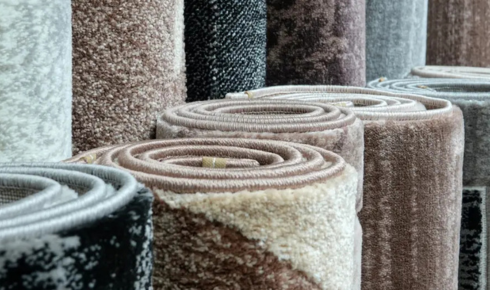
How hard could it be? A rented machine, a bottle of detergent, an afternoon of effort, and my living room carpet would look fresh again. I had watched a few videos, read some “expert” tips online, and convinced myself I could handle it without paying for professional carpet cleaning Dublin services.

I was wrong.

What started as a money-saving DIY project quickly became a frustrating lesson in why some jobs are better left to professionals. If you’re considering tackling heavily used carpets on your own, my experience may save you time, stress, and a lot of regret.

Why I Decided to Clean My Carpet Myself

Like many homeowners, I wanted to avoid unnecessary expenses. My carpet had built up months of wear—foot traffic, dust, a few coffee spills, and that dull, tired look that makes a room feel less clean than it really is.

I searched for carpet cleaning Dublin options, but then I saw the price of machine rentals and thought I had found a smarter route.

My plan seemed solid:

  • Rent a carpet cleaner for the day
  • Buy stain remover and shampoo
  • Move the furniture
  • Deep clean everything myself
  • Save money and feel accomplished

It sounded perfect on paper.

Reality looked very different.

The DIY Carpet Cleaning Disaster

The first challenge came before I even started.

The rental machine was bulky, awkward, and heavier than expected. Getting it from the car into the house was a workout on its own. Filling the water tank, measuring detergent, reading instructions, and figuring out settings took longer than I thought.

Then came the actual cleaning.

Problem #1: The Carpet Stayed Dirty

I passed the machine over the carpet several times, expecting to see dramatic results. Instead, the traffic lanes were still visible. The greyed areas near the sofa looked slightly better—but only slightly.

Some stains faded.

Others looked exactly the same.

Problem #2: Too Much Water

I quickly realized I had oversaturated parts of the carpet. Certain areas became damp to the point where walking across them felt squishy. The machine extracted water, but not enough.

Hours later, the carpet was still wet.

By evening, it was very wet.

Problem #3: Strange Smell

The next morning, instead of fresh and clean, the room smelled musty. That combination of damp fabric and detergent residue was worse than the original dusty smell I wanted to remove.

I had spent money, wasted a full day, and somehow made things worse.

Problem #4: Uneven Results

Some parts looked cleaner. Some looked patchy. Some had streaks. One corner still had a visible stain that I had attacked three separate times.

Instead of feeling proud, I felt defeated.

Why DIY Carpet Cleaning Often Fails

After my experience, I started researching why home carpet cleaning can go wrong so easily.

Here’s what I learned:

Consumer Machines Lack Power

Rental and home machines can help with light maintenance, but they often don’t have the suction strength or deep extraction power of commercial systems used for deep cleaning Dublin homes and businesses.

That means dirt stays trapped lower in the fibres.

Too Much Detergent Leaves Residue

Many DIY users apply more product than necessary, assuming more soap means cleaner carpet.

In reality, leftover residue attracts fresh dirt quickly, causing carpets to become grimy again sooner.

Overwetting Causes Odours

If too much moisture stays in the carpet backing or underlay, drying takes too long. That can create musty smells and potential hygiene issues.

Stains Need Proper Treatment

Different stains need different chemistry. Coffee, wine, pet accidents, grease, and ink don’t respond the same way.

Using one generic bottle for everything rarely works.

The Moment I Called Happy Clean

After two frustrating days, I gave up trying to fix it myself.

I booked a professional visit with Happy Clean and hoped they could undo the mess I had made.

To be honest, I expected only a modest improvement.

Instead, the difference was immediate.

What Professional Carpet Cleaning Looked Like

The technician inspected the carpet first.

That alone impressed me. Instead of blindly starting, he checked fibre type, stain areas, wear patterns, and moisture levels from my DIY attempt.

Then the process began.

Step 1: Pre-Treatment

High-traffic zones and marks were treated separately before the main clean. This was something I had never considered.

Step 2: Industrial Equipment

The machine used was nothing like the rental unit. Stronger suction, better pressure control, faster extraction.

You could hear the difference.

Step 3: Deep Cleaning Without Soaking

The carpet was cleaned thoroughly, but it didn’t feel flooded. Moisture was controlled properly.

Step 4: Grooming and Finishing

The fibres were reset, and the room already looked brighter before it was fully dry.

The Results Were Better Than I Expected

By the time everything dried, the carpet looked years younger.

The traffic lanes were gone.

The stubborn stain near the sofa had disappeared.

The dullness had lifted.

Most importantly, the room smelled genuinely fresh—not artificially perfumed, just clean.

It felt like getting a new carpet without paying for one.

What I Learned About Carpet Cleaning in Dublin

If you live in a busy household, carpets collect more than visible dirt.

They hold:

  • Dust
  • Allergens
  • Pet hair
  • Moisture
  • Food particles
  • Bacteria from shoes and spills
  • Everyday grime from foot traffic

Vacuuming helps, but it only removes surface debris.

That’s why scheduled professional carpet cleaning Dublin services make such a difference. They restore appearance, improve hygiene, and extend carpet life.

Was DIY Actually Cheaper?

At first glance, yes.

But once I added everything up:

  • Machine rental
  • Cleaning solution
  • Transport time
  • My lost Saturday
  • Re-cleaning attempts
  • Stress
  • Then hiring professionals anyway

The “cheap option” cost more than simply booking the right service from the start.

That’s a mistake I won’t repeat.

When You Should Skip DIY and Call a Pro

DIY maintenance has its place for quick spot cleaning. But if any of these apply, it’s time to call experts:

Heavy Foot Traffic

Hallways, living rooms, stairs.

Noticeable Odours

Lingering smells usually need extraction, not air freshener.

Stubborn Stains

Especially older ones.

Allergies in the Home

Deep cleaning can help remove trapped irritants.

Moving In or Out

Fresh carpets make a huge difference during property transitions.

Annual Maintenance

Preventive cleaning costs less than replacement.

Why Professional Results Last Longer

The biggest surprise wasn’t just how clean the carpet looked.

It was how long it stayed that way.

Because residue was removed properly and fibres were restored, the carpet resisted rapid re-soiling. Even weeks later, it still looked fresher than after my DIY effort on day one.

That’s the hidden value of expert service.

Final Verdict: Learn From My Mistake

I tried to clean my carpet myself because I thought it would save money.

Instead, I got poor results, wasted time, and ended up needing help anyway.

Once the professionals stepped in, the difference was obvious. Better equipment, better products, better technique, better outcome.

If your carpets are tired, stained, or overdue for attention, don’t repeat my mistake. Sometimes the smartest budget decision is hiring the people who know exactly what they’re doing.

For anyone searching for reliable carpet cleaning Dublin solutions, the lesson is simple:

DIY can cost less upfront.

Professional cleaning delivers value that lasts.

Custom Fabricated Surface Materials for Lasting Design

0

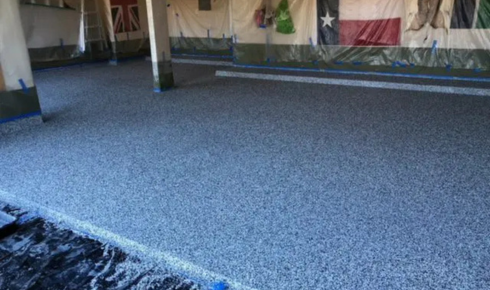
In today’s competitive design and construction market, custom fabricated surface materials have become essential for projects that demand more than a standard finish. These materials help create spaces that feel intentional, durable, functional, and visually refined. From commercial interiors and hospitality environments to healthcare settings, retail spaces, office buildouts, and upscale residential projects, the right fabricated surface can shape how a space performs and how it is remembered.

Hyundai L&C, located at 1760 Corporate Dr., Norcross, Georgia 30093, offers surfacing solutions for projects where quality, design flexibility, and long-term value matter. In modern interiors, surface materials are no longer treated as background details. They play a direct role in supporting workflow, brand image, customer perception, and the day-to-day usability of the space. That is why architects, designers, contractors, fabricators, and property decision-makers continue to prioritize custom fabricated surface materials when planning projects that need both style and performance.

Why Custom Fabricated Surface Materials Matter More Today

Surface selection has changed. Clients no longer look only at color and finish. They also consider durability, maintenance, design consistency, fabrication potential, and long-term return. A material may look impressive in a showroom, but real value shows up after installation, when the surface faces daily use, routine cleaning, moisture, traffic, and wear.

This is where custom fabricated surface materials stand out. Unlike generic finish options, fabricated surfaces support more tailored design execution. They allow project teams to create counters, vanities, wall applications, worktops, reception desks, and feature elements that fit the exact needs of the space.

This matters because strong material selection can support:

  • Better design flexibility
  • More precise fit and finish
  • Improved performance in high-use areas
  • Easier maintenance over time
  • Greater long-term project value

A well-designed interior depends on details that continue to work after the opening day. Fabricated surfaces help support that goal by combining function and design in a way that standard materials often cannot.

The Growing Demand for Fabricated Surface Solutions

Across multiple industries, the demand for customization continues to rise. Businesses want interiors that reflect their identity. Property owners want materials that feel more premium and durable. Designers want surface products that help bring their vision to life without sacrificing practicality.

This shift has increased interest in custom fabricated surface materials because these products help solve real project needs. A healthcare reception desk may need a clean, professional finish with practical durability. A hotel vanity may need a more refined, upscale appearance. A retail service counter may need a strong visual statement while standing up to repeated customer contact. A residential kitchen island may need both beauty and day-to-day function.

Fabricated materials support these different outcomes by allowing project teams to move beyond one-size-fits-all solutions.

What Makes Custom Fabricated Surface Materials Valuable

Not all surfaces deliver the same level of performance or flexibility. Fabricated materials are especially valuable because they can support both creative design and practical use. In many projects, that balance is what determines whether the finished space truly works.

Precision for Tailored Applications

Every space has different requirements. Some projects need custom dimensions. Others need integrated design elements, clean lines, or a more seamless appearance. Custom fabricated surface materials give fabricators and designers the ability to shape surfaces according to the layout, purpose, and visual goals of the project.

This level of precision is important in areas such as:

  • Reception desks
  • Kitchen countertops
  • Bathroom vanities
  • Commercial worktops
  • Wall features
  • Bar tops
  • Retail counters
  • Shared amenity surfaces

A tailored surface usually feels more intentional than a standard material cut to fit with limited flexibility.

Better Design Consistency

Consistency matters in quality interiors. A project feels stronger when surfaces connect visually across different zones. Fabricated materials can help support that consistency by making it easier to coordinate finishes, dimensions, and design details throughout the space.

This is especially useful for:

  1. Offices that need a unified brand look
  2. Hospitality spaces that depend on guest impression
  3. Healthcare environments that require professional presentation
  4. Retail interiors that rely on visual storytelling
  5. Residential projects with a strong design point of view

Better consistency often creates a more polished overall result.

Performance in Daily Use

A surface may be beautiful, but beauty alone is not enough. Counters, vanities, worktops, and service surfaces deal with daily interaction. People touch them, place objects on them, clean them, spill on them, and expect them to stay attractive.

High-quality custom fabricated surface materials help meet these expectations by supporting stronger durability and more practical day-to-day performance. In busy environments, that can make a major difference in how the interior ages.

Easier Maintenance and Upkeep

Maintenance is often overlooked during design planning, but it becomes one of the biggest factors after occupancy. Surfaces that are difficult to clean or quick to show wear can create frustration and added cost. Materials that stay presentable with practical care routines offer more long-term value.

For commercial operators, this means smoother maintenance. For homeowners, this means less stress and stronger satisfaction with the finished space.

Best Applications for Custom Fabricated Surface Materials

Fabricated surfaces can be used in many environments where both function and visual appeal matter. The best applications are usually the ones where precision, durability, and appearance all need to work together.

Commercial Reception Areas

Reception spaces set the tone of the entire property or business. A custom fabricated desk or transaction surface can create a stronger first impression while supporting daily use. In these high-visibility areas, finish quality matters immediately.

Hospitality Interiors

Hotels, lounges, restaurants, and resorts depend on surfaces that look refined and stay that way. Guest bathroom vanities, check-in counters, bar tops, and dining-related surfaces benefit from custom fabricated surface materials because these spaces need both elegance and resilience.

Healthcare and Wellness Spaces

Medical offices, clinics, dental practices, and wellness facilities require surfaces that feel clean, durable, and professionally designed. Fabricated surfaces support custom layouts and can help improve how these environments function and appear to patients.

Office Interiors

Modern workplaces rely on surfaces in conference rooms, breakrooms, reception zones, restrooms, and collaborative workspaces. Custom fabricated materials help these areas feel more cohesive, branded, and durable enough for daily business use.

Retail Environments

Retail counters, display zones, fitting room vanities, and service desks all benefit from tailored surfaces. Because customer experience matters in retail, finish quality can influence perception in a quiet but powerful way.

Residential Projects

In homes, fabricated surfaces are often used in kitchens, bathrooms, laundry rooms, feature walls, and custom built-in applications. Homeowners often choose these materials for the balance of function, customization, and elevated design appeal.

Why Material Selection Should Never Be an Afterthought

A common mistake in project planning is treating surface selection as a late-stage decision. In reality, surface materials influence too many parts of the final result to be handled casually. They affect fabrication, installation, maintenance, daily function, and visual impact.

Choosing the right custom fabricated surface materials early in the process can help project teams:

  • Align design with practical use
  • Avoid poor-fit material decisions
  • Improve coordination between design and fabrication
  • Support stronger long-term outcomes
  • Reduce the risk of surfaces aging too quickly

The best projects usually treat materials as part of the strategy, not just part of the finish schedule.

What to Look for When Choosing a Fabricated Surface

Not every material is right for every environment. A smart selection process should consider how the space will be used, how visible the surface is, and what kind of maintenance routine will follow after installation.

Here are key factors to evaluate:

1. Project Type

A residential kitchen has different demands than a hotel reception area or medical workstation. Start with the real use of the space.

2. Traffic and Contact Level

High-touch areas need stronger performance. Service counters, public vanities, workstations, and checkout surfaces all require materials that can handle more pressure.

3. Fabrication Potential

Some projects need clean edges, custom sizing, unique forms, or integrated applications. Material choice should support the type of fabrication the design requires.

4. Maintenance Expectations

A material should match the cleaning reality of the space. In busy environments, easy maintenance often matters as much as appearance.

5. Design Goals

The right surface should support the intended mood of the project, whether modern, warm, premium, minimal, or brand-driven.

Practical Tips for Better Surface Decisions

A better outcome usually comes from asking practical questions before making a final material choice. These five tips can help guide stronger decisions:

  1. Think beyond the sample board
    A material may look attractive in a small swatch but behave very differently in a full-scale application.
  2. Match the surface to the function
    The most beautiful option is not always the most suitable for a high-use area.
  3. Plan for long-term appearance
    Consider how the material will look after months or years of cleaning, traffic, and daily use.
  4. Coordinate with fabrication goals early
    Custom projects perform better when design intent and fabrication requirements are aligned from the start.
  5. Choose a trusted surface source
    Reliable quality and design consistency help reduce uncertainty during specification and installation.

How Custom Fabricated Surface Materials Support Brand and Experience

Every space communicates something. An office can communicate professionalism. A clinic can communicate trust. A retail store can communicate energy and quality. A home can communicate comfort and personality. Surface materials are a major part of that message.

Because they are highly visible and frequently used, custom fabricated surface materials shape how people experience the space. A polished counter can make a business feel more credible. A refined vanity can make a hospitality setting feel more upscale. A seamless worktop can make a healthcare environment feel cleaner and more organized. A well-crafted kitchen surface can make a home feel more thoughtful and complete.

These experiences are not accidental. They are built through material choices that support both visual and practical success.

Why Hyundai L&C Is a Strong Choice for Fabricated Surface Projects

Hyundai L&C continues to stand out as a trusted source for projects that require more from a surface material. Design professionals and decision-makers often need products that support customization, durability, visual appeal, and long-term project value. That combination is exactly what makes a strong fabricated surface solution.

For commercial and residential applications alike, Hyundai L&C offers surfacing options suited for modern projects where finish quality matters. Whether the goal is to create a stronger first impression, improve design consistency, or support long-lasting daily use, material reliability plays a major role in project success.

Located at 1760 Corporate Dr., Norcross, Georgia 30093, Hyundai L&C remains a strong partner for projects where custom fabrication and premium surfacing need to work together.

Key Benefits of Smart Fabricated Surface Selection

Choosing the right fabricated surface strategy can support several important goals:

  • Stronger design flexibility
  • Better fit and finish
  • More durable daily performance
  • Easier upkeep and maintenance
  • Better first impressions
  • Greater long-term value

These benefits can improve not only how a space looks, but also how it functions over time.

Conclusion

The best custom fabricated surface materials do more than complete a project visually. They help create interiors that are better tailored, more durable, easier to maintain, and more aligned with the goals of the space. From offices and healthcare facilities to retail stores, hospitality interiors, and homes, the right fabricated surface can strengthen both performance and perception. Hyundai L&C offers design-forward surfacing solutions for projects that require customization, quality, and lasting value. Visit https://hyundailncusa.com/ to explore surface materials built for interiors that need to look exceptional and perform with confidence every day.

When Your Tap Tells a Story: Understanding the Subtle Signs in Your Water

0

There’s a strange moment that happens in many homes—you pour a glass of water, take a sip, and pause. Not because it’s undrinkable, not because it’s obviously bad… just because something feels slightly off.

It’s easy to ignore. Life moves fast, and small inconveniences rarely get immediate attention. But when it comes to water, those small signals are often worth noticing.

Because your water, in its own quiet way, is always telling you something.

The First Signs Are Usually the Softest

Most water problems don’t arrive dramatically. They don’t knock on the door or flood the floor. Instead, they show up in subtle ways.

A faint aftertaste. A slight odor. Maybe your skin feels a bit dry after a shower, or your dishes don’t seem as clean as they should. These aren’t urgent issues—but they’re clues.

And over time, they start to add up.

The tricky part is that these changes happen gradually. You adjust without realizing it. You stop questioning it. Until one day, it becomes noticeable enough that you can’t quite ignore it anymore.

When Taste Becomes a Question

One of the most common things people notice is a change in taste. Water that once felt neutral suddenly carries a hint of something unfamiliar.

Often, that’s due to a chlorine taste. Chlorine is commonly used to disinfect water, which is important for safety. But depending on the levels, it can affect how your water tastes and smells.

Some people describe it as slightly chemical. Others say it reminds them of a swimming pool. Either way, it’s not exactly what you expect when you’re pouring a glass of drinking water.

The good news? It’s usually manageable. Simple filtration systems can reduce that taste significantly, making your water feel cleaner and more natural again.

The Smell That Raises Questions

Taste is one thing—but smell tends to grab attention more quickly.

If you’ve ever turned on the tap and noticed a rotten egg-like odor, you’ve likely encountered smelly sulfur water. It’s not pleasant, and it’s definitely not something you want lingering in your home.

This kind of smell is often caused by hydrogen sulfide gas in the water. While it’s not always harmful in small amounts, it can make everyday tasks—like showering or washing dishes—feel uncomfortable.

And it’s not just about the smell. Over time, sulfur can also affect plumbing and appliances, leading to additional maintenance issues.

Addressing it usually involves targeted filtration or treatment, designed specifically for this kind of problem.

Why These Issues Matter More Than You Think

It’s easy to brush off minor water concerns as cosmetic. After all, if the water is technically safe, why worry?

But water quality affects more than just taste or smell. It impacts how your home functions.

Hard water can leave buildup in pipes and appliances. Chlorine can dry out skin and hair. Sulfur can cause corrosion and lingering odors.

These aren’t major emergencies, but they influence your daily experience in ways that add up over time.

And once you notice them, it’s hard to go back to ignoring them.

Finding the Right Approach

There’s no universal fix for water quality issues. What works for one home might not be suitable for another.

The key is understanding what you’re dealing with. That might involve testing your water, observing patterns, or simply paying attention to what’s been bothering you.

From there, solutions can be tailored. Basic filters, advanced systems, or a combination of both—depending on the situation.

It’s not about overcomplicating things. It’s about addressing the specific issue in a way that makes sense.

The Role of Awareness

One of the most valuable things you can do is stay aware. Not in an obsessive way, but in a mindful one.

Notice changes. Pay attention to how your water looks, smells, and tastes. These small observations can guide you toward better decisions.

And if something feels off, it’s worth exploring further. Not every issue requires immediate action, but understanding it gives you options.

Small Changes, Real Impact

Improving water quality doesn’t have to be a big, overwhelming project. Often, small adjustments can make a noticeable difference.

Better-tasting water. Less odor. Cleaner surfaces. These changes might seem minor, but they enhance everyday life in subtle, meaningful ways.

It’s the kind of improvement that blends into your routine—until you realize how much better things feel.

Final Thoughts

Water is one of the most constant elements in our lives. We rely on it daily, often without a second thought.

But when something changes, even slightly, it’s worth paying attention.

Those small signs—taste, smell, texture—are your home’s way of communicating. And listening to them can lead to simple solutions that improve your comfort in ways you didn’t expect.

Because in the end, good water isn’t just about safety. It’s about how it feels to live with it, every single day.

When Plumbing Problems Feel Personal: Finding the Right Help Close to Home

0

There’s something oddly unsettling about plumbing issues. Maybe it’s the suddenness—a pipe bursts without warning, a faucet starts dripping like a ticking clock, or worse, water begins pooling where it shouldn’t. These aren’t just household inconveniences; they disrupt your day, your routine, sometimes even your peace of mind. And in those moments, what you really need isn’t just a technician—you need someone reliable, someone who understands urgency and respects your home.

That’s where experienced professionals step in. Not just any service, but dependable local plumbing experts who bring both skill and a sense of accountability. Because when someone works in your community, there’s a certain trust baked into the relationship. They’re not just fixing pipes—they’re building a reputation, one home at a time.

Why Local Experience Still Matters

You’d think plumbing is the same everywhere, right? Pipes, valves, water pressure—it’s all pretty universal. But that’s not entirely true. Every region has its quirks. Soil composition, water quality, climate fluctuations—all of these factors influence how plumbing systems behave over time.

Take areas with hard water, for example. Mineral buildup can silently reduce pipe efficiency and damage fixtures. A local plumber who’s seen this a hundred times before will know exactly what signs to look for, often catching issues before they spiral into expensive repairs.

That’s part of the reason homeowners tend to lean toward professionals who know the area well. It’s not just convenience—it’s practical wisdom gained from working on similar homes, dealing with familiar challenges, and understanding what solutions actually last.

The Difference Between Quick Fixes and Real Solutions

We’ve all been there. Something breaks, you call the first number that pops up, and someone comes in to patch things up just enough to get you through the week. It works—for a while. Then the problem creeps back, sometimes worse than before.

The truth is, plumbing isn’t just about stopping leaks or unclogging drains. It’s about diagnosing root causes. Is that recurring blockage due to tree roots? Is your water heater struggling because of sediment buildup? These are the questions that separate surface-level fixes from long-term solutions.

That’s why people often seek out trusted Hobbs NM plumbers who are known for doing things properly the first time. Not rushed, not half-done—just solid, reliable work that holds up over time. It might take a bit longer, maybe cost slightly more upfront, but the peace of mind? Worth it.

Small Signs You Shouldn’t Ignore

It’s funny how easy it is to overlook minor plumbing issues. A slow drip here, a faint odor there. We tell ourselves it’s nothing urgent. Life gets busy, and unless something breaks dramatically, it stays on the “later” list.

But plumbing rarely works that way. Small problems have a habit of growing quietly. That drip could mean pressure imbalance. That odor might point to a hidden leak or drainage issue. Ignoring them doesn’t make them disappear—it just gives them time to worsen.

If anything, paying attention early can save you from bigger headaches down the road. A quick inspection today could prevent a full-blown repair tomorrow. It’s one of those situations where a little attention goes a long way.

What Quality Service Really Feels Like

Let’s talk about something that often gets overlooked—how a service actually feels. Not just the technical outcome, but the overall experience.

A good plumber shows up on time. They explain what’s going on in plain language, not jargon. They don’t rush you through decisions or pressure you into unnecessary work. And when they’re done, they leave your space clean, like they were barely there at all.

That’s what quality service looks like in real life. It’s not flashy. It’s consistent, respectful, and honest. And honestly, that’s what most homeowners are really looking for—someone who treats their home with care, not just another job on a long list.

Building a Relationship, Not Just Solving a Problem

Here’s something people don’t talk about enough: having a reliable plumber is a bit like having a trusted mechanic or family doctor. You might not need them every day, but when you do, you want someone you can call without hesitation.

Over time, that relationship becomes valuable. They know your home’s system, its history, its weak points. You don’t have to explain everything from scratch each time. There’s a level of comfort in that familiarity, especially when you’re dealing with something as essential as water and sanitation.

And in a way, it makes future issues less stressful. You’re not scrambling to find help—you already know who to trust.

A Thought to Leave You With

Plumbing might not be something you think about often—until it suddenly demands your attention. And when it does, the difference between a stressful experience and a manageable one often comes down to who you call.

So maybe it’s worth taking a moment, even before anything goes wrong, to find someone dependable. Someone who values your time, your home, and your trust.

Because when water starts going where it shouldn’t, you’ll want more than just a quick fix. You’ll want someone who knows what they’re doing—and cares enough to do it right.

Rethinking the Water You Drink Every Day

0

There’s a strange kind of trust we place in our tap water. We assume it’s fine because it’s always been there—reliable, invisible, part of the routine. Fill a glass, take a sip, move on. No questions asked.

But every now and then, something feels a bit off. A faint taste, maybe. Or that slight hesitation before pouring water straight from the tap into your mouth. It’s not fear exactly—more like curiosity that quietly lingers.

And that curiosity, more often than not, leads to better choices.

The Everyday Reality of Tap Water

Water doesn’t arrive in your home in its purest form. It’s treated, processed, transported—sometimes over long distances. Along the way, it picks up things and leaves others behind.

Most municipal systems do a decent job of making water safe. That’s the goal, after all. But “safe” doesn’t always mean ideal for daily consumption.

There can be chlorine used for disinfection, trace sediments from aging pipes, or minerals that affect taste and feel. You might not notice these things right away, but over time, they start to show themselves in subtle ways.

This is where drinking water filtration becomes less of an upgrade and more of a thoughtful adjustment. It’s not about fixing something broken—it’s about improving something you use every single day.

When Taste Tells a Story

Taste is usually the first thing people notice. Water that’s slightly metallic, or carries a hint of chlorine, doesn’t exactly invite you to drink more of it.

And let’s be honest—if water doesn’t taste good, we tend to avoid it. We reach for packaged drinks, juices, or anything that feels more appealing.

But once your water tastes clean—really clean—you start to notice a shift. You drink more without thinking about it. Hydration becomes natural instead of forced.

It’s one of those small changes that quietly improves your daily habits.

A Simple Step That Makes a Difference

Not every solution needs to be complex. Sometimes, the easiest fix is also the most effective.

A faucet water filter is one of those options that doesn’t demand much—no major installation, no complicated setup. You attach it, turn it on, and it starts working right away.

For many households, that’s enough to make a noticeable difference. Better taste, fewer impurities, more confidence in what you’re drinking.

It’s not about going all-in immediately. It’s about starting somewhere.

Beyond Taste: What You Can’t See

Here’s where things get a bit more serious—but not in an alarming way.

Not everything in water affects taste or smell. Some contaminants are invisible, undetectable without proper testing. And while they may exist in small, regulated amounts, it still makes sense to be aware of them.

The idea isn’t to overthink or worry—it’s to understand.

That’s why people often explore broader potable water solutions, especially when they want a more comprehensive approach. These systems are designed to ensure that water isn’t just drinkable, but consistently clean and reliable.

It’s a shift from passive use to active awareness.

How Better Water Changes Daily Life

Improving your water quality doesn’t feel dramatic. There’s no big moment where everything suddenly changes.

Instead, it shows up in little ways.

Your morning tea tastes smoother. Your cooking feels more precise because flavors aren’t being altered by impurities. Even washing fruits and vegetables feels more reassuring.

And then there’s the psychological side of it—the peace of mind. Knowing that what you’re drinking is cleaner, more refined, more intentional.

It’s a quiet kind of comfort.

Choosing What Feels Right

There’s no single path when it comes to water filtration. Some people prefer simple solutions. Others go for more advanced systems. It really depends on what you’re looking for—and what your water needs.

If your water has a noticeable taste issue, a basic filter might be enough. If you’re dealing with multiple concerns, a more comprehensive setup could make sense.

The important thing is not to rush into it. Take a moment to understand your water. Maybe even get it tested if you’re unsure.

Once you have that clarity, the next steps tend to feel more natural.

Why We Don’t Think About It Sooner

Water is one of those things we take for granted because it’s always available. It doesn’t demand attention like a broken appliance or a leaking pipe.

But that’s exactly why it’s worth thinking about.

It’s part of your routine in ways you don’t even realize. You drink it, cook with it, clean with it. It’s there, quietly supporting everything else.

And when something so fundamental improves, the ripple effects are surprisingly wide.

A Small Shift with Lasting Benefits

If there’s one thing to take away from all this, it’s that better water doesn’t have to be complicated.

You don’t need to overhaul your entire system overnight. Even small steps—like adding a filter or paying attention to taste—can make a meaningful difference.

Over time, those small steps build into something bigger. Better habits. Better health. Better comfort in your own home.

And maybe that’s the real value here—not just cleaner water, but a more thoughtful way of living.

Because sometimes, the simplest changes are the ones that stay with you the longest.