Home Blog Page 7

Why More Businesses Are Turning to Deionized Water Systems

0

Walk into any modern manufacturing facility, and you’ll quickly realize that water isn’t just water. For many industries, what comes out of the tap simply won’t cut it. Precision electronics, pharmaceuticals, cosmetics, laboratories—these sectors rely on ultra-pure water. That’s where deionization steps in, stripping water of minerals and impurities that could interfere with delicate processes. It’s not flashy, but it’s one of those behind-the-scenes innovations shaping the way companies operate today.

The Hidden Power of Purified Water

If you’ve ever boiled water in a kettle and noticed that chalky residue left behind, you’ve seen firsthand what minerals can do. In everyday life, that’s just an annoyance. But scale that up to a high-tech factory line or a medical lab, and suddenly those deposits aren’t harmless—they’re costly, even dangerous. A single contaminant in a pharmaceutical batch can mean the difference between safe medicine and wasted millions.

That’s why industries are increasingly investing in specialized systems designed to deliver water stripped down to its purest state. The goal is consistency. With the right setup, every drop behaves the same, every time.

Why Businesses Choose Deionization Over Alternatives

There are plenty of ways to treat water—reverse osmosis, distillation, softening. Each has its place. But deionization holds a special appeal for businesses that can’t risk conductivity or mineral presence. The process swaps out unwanted ions for hydrogen and hydroxyl ions, leaving water that’s not only cleaner but electrically neutral.

For companies juggling sensitive operations, that neutrality is gold. Take electronics manufacturing: even microscopic residues can cause corrosion or short-circuits in chips and circuit boards. Deionization offers peace of mind in a way few other treatments can match.

The Role of a Commercial Setup

When people think of water filters, they imagine something tucked under a sink. But scale that up for industry, and you’re dealing with serious engineering. A commercial deionized water system isn’t just about purifying water—it’s about ensuring reliability, efficiency, and compliance across large-scale operations.

These systems are built to handle thousands of gallons a day without breaking stride. They’re engineered with redundancy, smart monitoring, and modular designs that let businesses adjust capacity as needs evolve. For managers, it’s not just an investment in cleaner water; it’s insurance against production downtime and regulatory headaches.

The Cost of Not Caring About Purity

It might be tempting to see deionization as an optional upgrade, but industries that have skipped it often learn the hard way. Scaling, equipment wear, product recalls—these are the hidden costs of cutting corners on water quality. In fact, many companies spend more on repairing damage caused by poor water than they would have on prevention.

Think about a hospital sterilization unit relying on untreated water. Instruments may come out clean-looking but harbor invisible residues that compromise patient safety. In food processing, contaminants can shorten shelf life or alter taste. In both cases, the reputation hit is worse than the financial one.

Deionization and Environmental Responsibility

At first glance, deionization might seem like an energy-intensive luxury. But advances in design are making it far more sustainable than people realize. Many Deionized Water Treatment Systems are now built with regeneration processes that minimize chemical waste and extend resin life. Coupled with smart monitoring, these upgrades reduce water consumption and lower operational costs.

That shift matters in today’s market, where customers and regulators alike expect companies to prioritize sustainability. Choosing eco-friendly water purification isn’t just good PR—it’s becoming a baseline requirement for doing business.

Industries That Can’t Function Without It

The list of sectors relying on deionized water reads like a who’s who of modern innovation. Biotech firms use it for cleanroom operations. Breweries depend on it for consistent flavor. Auto manufacturers rely on it for paint applications, where even tiny impurities can ruin a finish.

In each of these cases, the water itself isn’t the star—it’s the enabler. Without reliable purification, the products we use every day, from cars to smartphones to medicines, wouldn’t exist in the form we take for granted.

Challenges and Considerations

Of course, adopting deionization isn’t as simple as flipping a switch. Businesses need to weigh upfront investment against long-term gains. They also need to ensure regular maintenance, since the resins that remove ions eventually exhaust their capacity. Ignoring upkeep can lead to a false sense of security—water that looks pure but doesn’t meet required standards.

Another consideration is integration. Many companies combine deionization with reverse osmosis or ultraviolet treatment to create multi-layered purification systems. It’s not a one-size-fits-all solution; tailoring is key.

Commercial Systems in the Bigger Picture

Zooming out, deionized water systems commercial setups aren’t just about purity—they’re about resilience. In a world where supply chains are fragile and regulations grow tighter by the year, businesses can’t afford unnecessary risks. A robust water treatment system provides stability in uncertain times, ensuring production continues even when municipal supplies fluctuate in quality.

That reliability has become a competitive advantage. Companies with high-quality water infrastructure are better positioned to scale, innovate, and meet international standards without scrambling for last-minute fixes.

Looking Ahead

The future of deionized water isn’t static. Just as other technologies evolve, purification systems are getting smarter, more compact, and more energy-efficient. We’re seeing sensors that alert operators before problems arise, cloud-based monitoring that provides real-time insights, and modular systems that expand without major overhauls.

For businesses weighing the decision today, it’s less about “if” and more about “when.” The industries that adopt now will be ahead of the curve, while those who delay may find themselves playing catch-up under pressure.

Final Thoughts

Water is one of those things people overlook until it causes problems. For businesses, ignoring its role can be catastrophic. Deionized water may not grab headlines, but it keeps industries humming, products safe, and operations sustainable. Whether it’s a pharmaceutical lab safeguarding patients or a microchip manufacturer protecting billion-dollar investments, the message is the same: purity matters.

And as more companies recognize that, the demand for advanced systems will only grow. In the end, deionized water isn’t just about chemistry—it’s about trust, reputation, and the promise of consistency in an unpredictable world.
Why Proper Water Treatment Care Matters More Than You Think

0

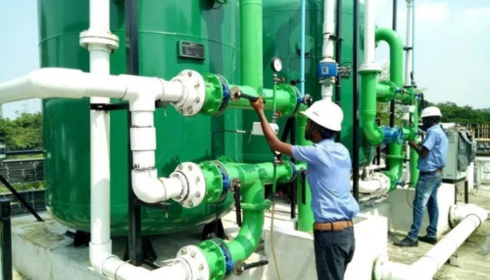
When you turn on the tap, it’s easy to take clean, safe water for granted. But behind every glass of water you drink or every load of laundry you run, there’s a complex system working hard to treat, soften, and move water through pipelines and facilities. And just like any system, things can go wrong — leaks, breakdowns, or inefficiencies that quietly build over time. That’s where professional water treatment repair and maintenance come into play.

The hidden role of wastewater systems

Wastewater treatment plants are like unsung heroes of modern life. They quietly take care of all the water that leaves our homes and businesses, filtering and cleaning it before it cycles back into the environment. When they’re functioning properly, nobody notices. But if something slips, you’ll definitely know it — strange odors, sluggish drainage, or worse, unsafe water releases.

It’s why people often find themselves typing wastewater treatment repair near me into their search bar the moment a problem arises. Having a trusted service provider nearby can make the difference between a quick fix and a costly nightmare. Repairs aren’t just about keeping things running — they’re about protecting public health and the environment.

Hard water headaches and softener care

If you live in an area with hard water, you know the struggles: white spots on dishes, stiff laundry, or that chalky residue on your shower door that seems impossible to scrub off. Hard water is loaded with minerals like calcium and magnesium, and while not harmful, it can wreak havoc on your pipes and appliances over time.

This is where water softeners step in. They quietly pull those minerals out, leaving you with smooth, “soft” water. But here’s the catch: they need care, too. Salt bridges form, resin beads wear down, and filters clog. That’s why scheduling a professional water softener maintenance service isn’t just a luxury — it’s smart prevention. A little upkeep now saves you from costly replacements later.

Maintenance contracts: more than just paperwork

For larger facilities like factories, hospitals, or municipalities, water and wastewater systems aren’t just convenient — they’re mission-critical. A single breakdown can halt production lines, shut down operations, or lead to compliance issues with regulators. That’s why many organizations opt for a wastewater treatment plant maintenance contract instead of waiting for problems to arise.

These agreements aren’t just about routine checkups. They often include emergency response, detailed performance monitoring, and predictive care to spot small issues before they become major breakdowns. Think of it as having a safety net — one that ensures the flow never stops, even when the unexpected happens.

Why “DIY” isn’t always enough

Plenty of homeowners like to tinker and fix things themselves, and sometimes that works fine. Changing a filter, topping up salt, or tightening a loose fitting are fairly simple jobs. But wastewater and treatment systems are far more complicated than they appear on the surface. They involve chemical balances, mechanical systems, and electronic monitoring. One wrong move and you could throw the entire system out of sync.

Professional technicians bring something more than tools — they bring years of training, certifications, and experience dealing with issues most of us wouldn’t even know how to diagnose. It’s the difference between replacing a part correctly versus accidentally creating a bigger, more expensive problem.

The ripple effect of neglect

Neglecting maintenance isn’t just a risk to your wallet; it has broader consequences. A faulty softener wastes water and energy. A broken treatment pump could allow untreated water to seep into rivers or groundwater, affecting ecosystems and local communities. What starts as a small leak or clogged valve can ripple outward, creating bigger challenges than anyone bargained for.

That’s why professionals stress preventive maintenance. It’s not about upselling services — it’s about recognizing that water systems touch almost every aspect of our daily lives. A little attention today prevents a chain reaction of issues tomorrow.

Choosing the right partner

Of course, not all service providers are created equal. Some offer fast, cheap fixes but cut corners. Others may overcomplicate simple repairs. When choosing someone to handle your system, it’s worth asking a few questions:

  • Do they offer 24/7 emergency support?
  • Are their technicians certified and experienced?
  • Do they provide transparent pricing and clear contracts?
  • Can they handle both small residential systems and large industrial setups?

The answers to these questions reveal whether you’re dealing with a reliable partner or just another service company chasing invoices.

A future where water care is smarter

Technology is also changing how we think about maintenance. Smart sensors can now monitor water quality in real-time, alerting operators when something drifts outside safe limits. Predictive analytics can forecast when a pump might fail, allowing repairs to be scheduled before the breakdown happens.

This trend is reshaping the industry from reactive to proactive. Instead of waiting for the dreaded midnight emergency call, systems are moving toward self-monitoring, with service teams stepping in at the right moment. It’s not science fiction — it’s happening now, and it’s making water management safer, more efficient, and more sustainable.

Final thoughts

At the end of the day, water is one of those things we all rely on but rarely think about. Until something goes wrong, that is. Whether it’s a home softener, a neighborhood wastewater facility, or a sprawling industrial treatment plant, the health of these systems quietly supports our health, comfort, and quality of life.

So the next time you’re tempted to put off a repair or ignore a service reminder, think twice. Clean water doesn’t just happen on its own — it’s the result of constant care and expertise. And that care is worth every penny.

The Real Story Behind Going Tankless: What You Should Know Before Making the Switch

0

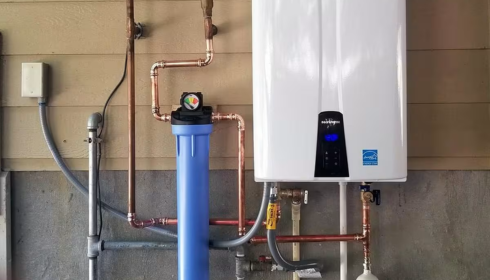
There’s something oddly comforting about a hot shower at the end of a long day. You turn the handle, wait for the warmth, and let the steam fog up the mirror. But if you’ve ever stood there shivering because the hot water ran out too quickly, you’ve probably wondered if there’s a better way. That’s where the conversation around tankless water heaters comes in. They’re often praised as the future of home heating systems, but like any upgrade, there’s more to it than the shiny brochure promises.

Why Tankless Suddenly Feels Like a “Must-Have”

Tankless water heaters aren’t exactly new, but they’ve become a household buzzword in recent years. The idea sounds simple: instead of storing gallons of hot water in a big tank, a compact unit heats water only when you need it. Endless hot showers, energy savings, space efficiency — it all sounds dreamy.

But here’s the catch: moving from a traditional system to a tankless water heater installation isn’t just about plugging in a new appliance. It often requires changes to your plumbing, electrical work, sometimes even venting upgrades. The convenience is real, but so is the prep work.

The Dollars and Sense of Going Tankless

One of the first questions homeowners ask is about the money side of things. Energy-efficient systems are appealing, but the upfront costs can sting. On average, the cost to install tankless water heater systems ranges widely depending on your home setup. Are you replacing an old unit in a small condo? Or are you outfitting a large family home with multiple bathrooms?

Labor costs, permits, and whether your current infrastructure can handle the change all play a role. The truth is, while the initial investment may be higher than a standard tank, many people look at the long-term payoff — lower energy bills, a longer lifespan, and no more arguments over who used up the last of the hot water.

Electric vs. Gas: The Debate That Never Ends

Ask ten homeowners which system is better, and you’ll get ten different answers. Gas models heat quickly and tend to handle higher demand, but they usually require professional venting and sometimes gas line upgrades. On the flip side, an electric tankless water heater installation is often simpler, especially in homes without existing gas service.

Electric units can be compact, quiet, and straightforward to maintain. The trade-off? They might struggle to keep up with heavy use in large households. Some families even install multiple units — one for the kitchen, another for the bathrooms — to balance the load. It really comes down to lifestyle and how much hot water your home devours daily.

Space: The Silent Winner

If you’ve ever cursed that hulking water tank in your basement or garage, you’ll appreciate one of the underrated perks of tankless heaters: space freedom. These systems are wall-mounted and compact, sometimes no bigger than a suitcase. Suddenly that corner of your basement or utility closet is usable again. Homeowners in smaller apartments and tiny homes especially love this feature, but even in bigger houses, freeing up space feels like a win.

The Hidden Work Behind the Curtain

It’s easy to get swept up in marketing that promises instant hot water forever. But here’s the thing most ads gloss over: tankless heaters don’t always mean “instant.” The water still has to travel through your pipes, and if you live in a sprawling house, it might take a few seconds before the warmth reaches your tap. Some people add circulation pumps to shorten the wait, but that’s another cost and another piece of equipment to maintain.

Also, water quality plays a big role. Hard water can cause mineral buildup that hurts efficiency and lifespan. In areas with really hard water, pairing the system with a softener isn’t just smart — it’s essential.

Are They Worth It? Depends Who You Ask

For some, tankless heaters feel life-changing. Families with teenagers (who treat showers like concerts) swear by the endless supply. People living in small spaces adore the compact size. Energy-conscious homeowners like the efficiency numbers.

But for others, the costs and potential retrofitting requirements outweigh the benefits. If you’re planning to move in a few years, you may not see enough return to justify the switch. On the other hand, if this is your “forever home,” a tankless upgrade can feel like a smart, future-proof choice.

A Quick Word on Professional vs. DIY

There are homeowners who love a challenge, and YouTube is full of DIY installation videos. But here’s the honest truth: most tankless systems aren’t beginner-friendly projects. They involve plumbing, electrical, and sometimes gas connections — a trifecta where mistakes can be costly or unsafe. Professional installation may add to the bill, but it also brings peace of mind that the system is set up safely and up to code.

Long-Term Thinking

It’s easy to get lost in the shiny promises of modern appliances, but the real question is about lifestyle. How much hot water does your family use? Do you plan on staying in the same house long enough to reap the energy savings? Can your budget handle the upfront hit? These aren’t exciting questions, but they’re the ones that’ll help you decide if tankless is right for you.

Final Thoughts: More Than Just Hot Showers

At the end of the day, a water heater is one of those things you don’t think about — until it stops working. Tankless systems promise to change that narrative, making hot water feel endless and reliable. They save space, can cut down on energy use, and bring a modern edge to something as mundane as a shower.

But like most good things, they come with caveats: costs, infrastructure updates, maintenance needs. If you go into the decision with eyes wide open, the rewards can be worth it. And if you’re not ready for the leap just yet, that’s fine too. Sometimes, knowing what’s out there — and what it really takes — is enough to start planning for the future.

Because let’s be real: nobody likes standing under a freezing shower, waiting for the water to warm up. And if there’s a way to make that frustration disappear? Well, that’s a conversation worth having.

Why Well Water Testing Is More Important Than You Think

0

If you’ve ever lived in a home that runs on well water testing services, you know it feels different. There’s a certain independence in drawing from your own source, like you’re connected to the land in a way that city water just can’t match. But with that independence comes responsibility—and one of the biggest is making sure the water is actually safe. It’s not the sort of thing most people want to think about while making coffee in the morning, but ignoring it can lead to problems you definitely don’t want to deal with later.


The Hidden Story Behind Your Tap

Water looks simple—clear liquid pouring from the faucet. But looks can be deceiving. Just because it’s clear doesn’t mean it’s clean. Private wells aren’t regulated in the same way municipal water systems are, which means no one’s automatically checking it for you. Contaminants like bacteria, nitrates, arsenic, or even remnants of fertilizers and pesticides can seep into groundwater without leaving obvious signs.

That’s why homeowners who rely on wells are encouraged to schedule routine checks. It’s not about being paranoid—it’s about being practical. The safety of your family’s drinking water isn’t something you want to gamble with.


Professional Help When It Matters

Of course, not everyone knows where to start. Do you just grab a test kit at the hardware store? Do you send samples off to a lab? For many families, the easiest path is working with trusted providers who know local conditions inside out. Teams like McLeod well water testing services specialize in uncovering the invisible. They don’t just hand you numbers on a report—they explain what those numbers mean, whether you should be concerned, and what steps can be taken to fix any issues.

It’s the kind of expertise that turns confusion into clarity. Instead of staring at a list of chemical names, you actually get peace of mind knowing someone’s walked this path with hundreds of other homeowners before you.


Common Problems People Overlook

What surprises most folks is how subtle water issues can be. Sometimes there’s a sulfur smell or a metallic taste, but plenty of contaminants are tasteless and odorless. Nitrates, for example, can be dangerous for infants yet go completely unnoticed by adults. Iron may just seem like an annoyance when it stains sinks and clothes, but in higher amounts it can affect health too.

Then there’s bacteria like E. coli, which can sneak in after flooding or if the well casing isn’t sealed properly. The point isn’t to scare people—it’s to remind us that water is dynamic, always moving, always changing. A well that tested fine three years ago doesn’t guarantee the same results today.


The Practical Side of Testing

Think of testing your well like maintaining a car. You wouldn’t drive for years without checking the oil or brakes, right? The same goes for water. Regular testing ensures small problems are caught before they become big ones. If you know there’s hard water, you can plan for treatment. If you find bacteria, you can disinfect and make sure it doesn’t return.

That’s why so many health departments recommend annual testing for bacteria and nitrates, with broader checks every few years for things like arsenic or volatile organic compounds. The frequency might feel like a hassle, but once you’ve done it a few times, it becomes just another piece of responsible homeownership.


Searching for Local Solutions

One of the most common questions homeowners ask is: “How do I even find reliable help for well water testing near me?” It’s a fair question, because not all services are created equal. Some companies only provide basic checks, while others offer comprehensive panels that really get to the bottom of things.

A smart step is looking for providers who are certified, transparent about costs, and willing to explain results in plain language. Reviews from other homeowners can also tell you a lot about whether a company takes the time to educate clients, not just run tests. At the end of the day, you want someone who treats your water like they’d treat their own.


Beyond the Basics

Testing isn’t just about identifying problems—it’s about creating a roadmap for solutions. Maybe your water needs a simple disinfection. Maybe a filtration system will remove lingering chemicals. Or perhaps you’ll need a more advanced setup, like a reverse osmosis unit, if contaminants are especially stubborn.

The good news is that modern water treatment has come a long way. Today’s systems are more efficient, easier to maintain, and better tailored to individual needs. Testing is what unlocks those solutions, ensuring you don’t overspend on things you don’t need or overlook something important.


Why Families Stick With Professional Services

There’s also something to be said for consistency. When you work with a professional company over time, they build a history of your water quality. They’ll notice changes that you might not, spotting trends or recurring issues. It’s like having a medical record for your home’s most essential resource.

Families who take this route often find themselves less stressed about “what ifs.” They know someone has their back. And if something unexpected does pop up, they have a trusted partner ready to guide them through it. That’s a lot more reassuring than scrambling to make sense of a test kit alone.


How Testing Impacts the Bigger Picture

On a broader level, widespread testing contributes to community health. When multiple homeowners in the same area check their wells, patterns can emerge. Maybe a certain neighborhood struggles with high nitrates, or another has iron levels that suggest a geological factor. This shared knowledge helps entire communities advocate for resources or take preventative steps together.

It’s a reminder that even though a well is private, water itself connects us all. What seeps into the ground doesn’t stop at a property line—it travels. So, every test is part of a larger story about safeguarding our environment.


A Final Reflection

Clean water isn’t something to take lightly. It’s the foundation of daily life, from morning coffee to evening showers. If you rely on a private well, making testing a regular habit isn’t about paranoia—it’s about peace of mind.

Whether you choose local experts, use kits for simple checks, or combine the two, the key is not to ignore the unseen. Because when it comes to water, what you can’t see can sometimes matter the most. And once you’ve established a rhythm of regular testing, you’ll wonder why you ever hesitated.

After all, few things feel as good as turning on the tap, pouring a glass, and knowing for certain that it’s as safe and clean as it should be.

Water Clarity Matters: Why More Omaha Families Are Rethinking How They Test Their Water

0

I’ve always thought that water is one of those things we take for granted until something feels a little “off.” You pour a glass, take a sip, and suddenly there’s a metallic edge you can’t ignore. Or maybe your shower leaves your skin feeling drier than usual, and you chalk it up to winter air when in reality it might be your water. Living in Omaha, where groundwater sources and older plumbing can tell their own story, testing your water isn’t just a “nice idea”—it’s peace of mind.

Why Testing Your Water Shouldn’t Be Optional

Most of us assume the water from our taps is safe because, technically, it meets standards. But “meets standards” doesn’t mean your water is free of things that could impact your health or daily comfort. Private wells, especially, can carry naturally occurring contaminants like iron, manganese, or nitrates. Municipal water, while treated, can still pick up residual chlorine, sediments, or even traces of old lead pipes in older neighborhoods.

That’s where professional testing steps in. Having experts look at what’s actually flowing into your home is like running a health check-up. You wouldn’t skip a doctor’s appointment for years, so why assume your water doesn’t deserve the same attention? Many Omaha families are realizing that now.

Digging Into the Details

When people talk about testing, it’s not just a quick glance. Comprehensive evaluations measure everything from hardness levels to possible bacteria. I recently learned about Moore Water & Air water analysis, and what stood out wasn’t just the fancy lab reports—it was the way they explained results in plain English. It’s one thing to see numbers on a page, but when someone tells you, “This is why your dishwasher keeps leaving spots” or “Here’s why your toddler’s eczema flares up after baths,” suddenly it clicks. That’s the real value: connecting data to daily life.

Well Water Brings Its Own Challenges

Plenty of people outside the city limits rely on private wells, and while that freedom sounds great—no monthly water bill, no dependency on city lines—it comes with responsibility. Wells don’t get routine checks from city officials. If you’re not paying attention, years could go by before you realize something harmful has been quietly building up.

That’s why well water testing services have become a lifeline for rural homeowners. It’s not just about taste or stains in the sink. It’s about knowing whether nitrates from nearby farmland are creeping into your drinking supply, or whether your well casing has developed tiny cracks allowing bacteria to sneak in. The scary part? These problems don’t always change how water looks or tastes. You could be sipping a crystal-clear glass that hides a problem only proper testing can reveal.

City Living Doesn’t Mean You’re in the Clear

Even within Omaha’s neighborhoods, municipal water isn’t immune to complications. Think about aging infrastructure—pipes installed decades ago, sometimes long before stricter regulations were in place. Water may leave the treatment plant perfectly fine, but by the time it winds through miles of underground metal and reaches your faucet, it can pick up unwanted companions.

That’s where homeowners are turning to options like residential water testing Omaha providers who understand both city supply quirks and the local geology underneath. They don’t just test—they guide you on whether you actually need filtration, softening, or even just reassurance that everything’s fine. It’s not always about selling a system; sometimes it’s about giving you the confidence that your water is exactly what it should be.

The Everyday Payoff of Testing

Testing might sound like a technical, one-and-done thing, but its effects touch daily routines. Think about your morning coffee—it’s 98% water. If that water’s off, so is your coffee. Or the laundry that never feels quite fresh. Or the kids’ constant complaints that “the water tastes funny,” which usually leads to buying bottled water. And let’s be honest, nobody enjoys lugging heavy cases of bottles home from the store every week.

When you test, you gain answers. Maybe you install a filter. Maybe you add a softener. Or maybe, if results come back clean, you simply sleep better at night. Either way, it’s about removing the nagging doubt every time you turn on the tap.

Maintenance Is Part of the Journey

One thing I’ve learned from talking with folks who’ve had their water tested is that it’s rarely a one-time deal. Water conditions can shift with the seasons, with new construction nearby, or with changes in farming practices around rural wells. That’s why many families test yearly—or at least every couple of years—to keep track of any shifts.

And when issues show up, fixing them doesn’t always mean massive expenses. Sometimes it’s as simple as swapping out a filter cartridge or adjusting a softener setting. The key is catching it early before small changes snowball into bigger, costlier problems.

The Emotional Side Nobody Mentions

Beyond all the technical talk, there’s an emotional layer to this conversation. Water isn’t just about hydration; it’s about trust. When parents hand their kids a glass, they want to know—without hesitation—that it’s safe. When you cook, you don’t want to wonder whether your pasta water carries hidden surprises. That mental load, even if subtle, is real.

Testing takes that weight off your shoulders. You stop second-guessing. You stop sniffing water before drinking it. It might sound small, but it changes how you feel in your own home. And that’s worth a lot.

A Bigger Picture: Omaha’s Future

As more Omaha residents take water quality seriously, the ripple effect (pun intended) spreads. Schools test their systems more often, landlords get proactive, and neighbors trade notes about their experiences. It creates a culture of awareness where everyone benefits.

And as technology advances, testing is only getting more precise and more accessible. Portable kits, digital readouts, and smarter monitoring tools mean the process doesn’t feel intimidating anymore. Instead of waiting weeks for lab results, some homeowners now get clear feedback in hours.

Wrapping It Up

If there’s one thing I’ve learned, it’s that water quality isn’t something to ignore until it becomes a problem. Whether you’re sipping from a well outside the city or a faucet downtown, testing is your first step toward clarity—literally and figuratively.

So next time you catch yourself wrinkling your nose at the taste of tap water, or scrubbing stubborn spots off your glassware, consider that it might not just be “the way things are.” A simple test could change the story.

Because at the end of the day, water runs through everything—our bodies, our routines, our homes. And knowing what’s really in it? That’s not a luxury. It’s a necessity.

When Your Fridge Acts Up: A Down-to-Earth Guide to Getting It Fixed the Right Way

0

There’s something oddly comforting about the steady hum of a refrigerator. It’s like the quiet background music of our kitchens, the unsung hero that keeps the milk cold, the veggies crisp, and the ice cream frozen. But the moment that hum changes—or worse, stops altogether—you suddenly realize just how much you rely on it.

It’s not just about food preservation; it’s about convenience, safety, and even peace of mind. And when things go wrong, most people don’t know where to begin. Do you Google a quick fix? Do you call in a professional? Or do you hope it magically resolves itself (spoiler: it usually doesn’t)?

This is where knowing the right refrigerator repair services makes all the difference. It’s not glamorous, but it’s one of those household decisions that can save you both stress and money in the long run.


The Subtle Signs Your Fridge Is Crying Out for Help

Not every breakdown is dramatic. Sometimes, refrigerators whisper before they scream. Maybe you’ve noticed puddles of water near the base. Maybe the motor sounds like it’s trying out for a rock band. Or perhaps your lettuce wilts quicker than it should.

These aren’t just quirks—they’re warnings. And ignoring them often leads to bigger, pricier problems later. A fridge running too warm could mean spoiled food and wasted groceries. A noisy compressor might be a prelude to a complete system failure. Acting early is not just smart; it’s essential.


The Ice Maker Problem Nobody Talks About

There’s a certain luxury in pressing a button and having perfectly cubed ice tumble into your glass. It feels small, but when that convenience disappears, you notice. Residents of South Carolina, for instance, often talk about the frustration of trying to find reliable ice maker repair columbia sc when summer heat rolls around.

Ice makers, though compact, are surprisingly complex. Water lines, filters, and tiny motors all have to work in sync. A clog, a leak, or a faulty valve can stop the whole system cold (no pun intended). Having access to someone who specializes in these fixes can save you from the endless annoyance of buying bagged ice or fiddling with trays.


Why Professional Servicing Beats DIY Every Time

Let’s be honest—we’ve all gone down the YouTube rabbit hole, convinced we can fix anything with a screwdriver and determination. Sometimes it works. More often, it doesn’t. Refrigerators aren’t like wobbly chairs or leaky faucets. They’re intricate machines, blending electrical wiring, coolant systems, and precise temperature controls.

That’s why professional technicians exist. They know how to diagnose problems quickly and safely. They also have the right tools, which is half the battle. And while a DIY attempt might temporarily patch a problem, a professional repair ensures your appliance runs efficiently for years, often saving energy and extending its life span.


The Rise of Advanced Servicing Solutions

Here’s where things get interesting. Technology has changed almost every part of our lives, and home appliances aren’t left behind. Modern repair companies now offer Advanced Refrigeration System Servicing, which goes beyond the basic “fix what’s broken” mentality.

These services include performance optimization, energy-efficiency checks, and proactive maintenance. Think of it like taking your car in not just for repairs but for a full tune-up. It’s a way to make sure your fridge doesn’t just work—it works better, smarter, and for longer. For families, that means fewer breakdowns, lower energy bills, and less food waste.


The Human Side of Appliance Breakdowns

It’s funny how appliances become part of our daily rhythm. A fridge isn’t just a machine; it’s where kids search for snacks after school, where leftovers from last night’s dinner wait to be reheated, where the birthday cake waits for candles.

When it fails, the disruption goes beyond technical inconvenience—it’s personal. That’s why finding trustworthy repair services matters. A good technician doesn’t just fix the problem; they restore a bit of normalcy to your home.


Choosing the Right Service: What Actually Matters

When you’re in a pinch, it’s tempting to just pick the first number you find online. But taking a few minutes to choose wisely pays off. Look for:

  • Experience: Has the company worked on your model before?
  • Transparency: Do they provide upfront pricing, or is it guesswork until the bill arrives?
  • Availability: Emergencies rarely happen at convenient times. Do they offer flexible scheduling?
  • Reputation: A quick glance at reviews can reveal a lot about professionalism and reliability.

It’s worth making a note of one or two trusted services before disaster strikes. That way, when the fridge goes warm or the ice maker clogs, you’re ready.


Maintenance: The Step Most People Skip

Here’s the truth—most refrigerator breakdowns are preventable. Regular cleaning of coils, checking seals on doors, and replacing filters can extend your fridge’s life dramatically. It’s the small stuff, often overlooked, that keeps the big stuff running smoothly.

Scheduling routine maintenance might feel unnecessary when everything’s working fine, but it’s the equivalent of a health check-up. Preventative care is almost always cheaper and less stressful than emergency repairs.


A Thoughtful Ending

In the grand scheme of household problems, a misbehaving fridge might not seem like the end of the world. But anyone who’s had to throw out hundreds of dollars’ worth of spoiled food knows how quickly it escalates from minor inconvenience to major headache.

Taking refrigerator care seriously isn’t just about mechanics; it’s about protecting the rhythms of everyday life. Whether you’re dealing with a finicky ice maker in Columbia, SC, or simply want the peace of mind that comes with advanced system servicing, investing in proper care pays off in ways that go beyond dollars and cents.

So the next time your fridge makes a noise it shouldn’t, don’t ignore it. Treat it like the household partner it is—worthy of attention, respect, and the occasional professional check-up. Because when it’s working right, you don’t think about it. And that’s exactly how it should be.

Clean, Safe, and Hassle-Free: Why Investing in the Right Water Treatment System Matters More Than Ever

0

Most of us don’t think about water until there’s a problem. Maybe your dishes start coming out cloudy, your shower glass gets covered in chalky residue, or worse, you notice your tap water tastes off. That’s when reality hits: the water flowing into your home isn’t always as pure or soft as you’d like. It’s not a glamorous topic, sure, but if you’ve ever had to deal with hard water stains or strange smells, you know it’s one of those everyday struggles that quietly eats away at comfort, time, and even money.

I’ve lived in a place where hard water was the silent enemy. Every faucet had this dull white crust around it, and my laundry never looked truly fresh. It took me a while to connect the dots, but the culprit was mineral-heavy water. That’s when I began digging into treatment options, and let me tell you, the rabbit hole is deeper than you might expect.


The Everyday Battle with Hard Water

Hard water isn’t dangerous to drink, but it can be frustrating. Calcium and magnesium—the two usual suspects—leave behind buildup that slowly destroys appliances, clogs pipes, and makes cleaning feel like a never-ending chore. Soap doesn’t lather well, your skin dries out faster, and even your favorite coffee maker gets a shortened lifespan.

At first, you might shrug it off as a minor inconvenience. But add up the cost of replacing appliances, extra cleaning products, and plumbing repairs, and suddenly, investing in water treatment doesn’t sound like overkill anymore.


Choosing the Right Help

Now, here’s where things get interesting. A lot of people head straight to Google and type something like water softener service near me, hoping for a quick fix. And while you’ll definitely find options, the real challenge is figuring out who knows their stuff and who’s just trying to sell you the most expensive unit on the shelf.

A good provider won’t just drop a system in your basement and disappear. They’ll test your water, explain what’s actually in it, and suggest a solution tailored to your needs. Sometimes that’s a basic softener; other times, you might need a full-on filtration setup. The key is transparency—knowing why they’re recommending a certain system and what kind of maintenance it’ll take.


Whole House Filters: Not Just a Luxury

Softeners are great for hard water, but what if you’re dealing with chlorine taste, funky odors, or even more concerning contaminants? That’s where whole house filters step in. These systems tackle water quality at the entry point, meaning every tap in your home benefits.

Of course, people always ask about the cost to install whole house water filter, and yes, it’s not pocket change. Depending on the size of your home and the complexity of the system, installation can run anywhere from a few hundred to a couple thousand dollars. But think of it this way: you’re spreading that investment over years of better water, healthier living, and fewer headaches. Compare that to replacing appliances every couple of years, and suddenly the numbers don’t look so bad.


Texas and the Hard Water Story

If you’re in Texas, chances are you’ve already wrestled with hard water. The state’s limestone-heavy geology means minerals sneak into groundwater pretty easily. That’s why so many households turn to TX Water Treatment water softeners—because a regular off-the-shelf solution might not cut it.

Texas homes aren’t all built the same, and water quality can shift dramatically from one area to another. Some regions need a robust softener system, while others do better with a hybrid setup that combines softening with carbon filtration. Having experts who understand the local water profile makes a world of difference.


What People Forget About Maintenance

Buying a water treatment system is only step one. The real secret to keeping it effective is regular maintenance. Softeners need salt refills, filters need cartridge replacements, and the occasional check-up ensures your system is actually doing what it’s supposed to. Too often, people invest in a fancy system and then ignore it, only to realize years later it hasn’t been working properly.

Think of it like a car—you wouldn’t buy one and then never change the oil, right? Same logic applies here. Staying on top of service keeps your water clean and your system’s lifespan long.


The Subtle Benefits Nobody Talks About

We’ve covered the obvious perks—longer appliance life, cleaner dishes, healthier skin—but there are a few underrated wins as well. Better water actually makes food taste better. Pasta boils cleaner, coffee brews smoother, and even your ice cubes look crystal-clear instead of cloudy. It’s the little things that pile up into a noticeable lifestyle upgrade.

And then there’s the peace of mind factor. Knowing your family is drinking safe, treated water straight from the tap means one less thing to worry about. In a world where we already juggle way too many stressors, that alone is worth something.


DIY vs Professional: Where’s the Line?

If you’re handy, it’s tempting to try installing a softener or filter yourself. And sure, for simple setups, that might work. But water systems aren’t plug-and-play. Get the plumbing wrong, and you risk leaks, pressure issues, or worse—voiding your warranty. Professional installation not only saves time but ensures the system is calibrated to your home’s unique water conditions.

Plus, pros often spot issues you’d never notice, like subtle pressure drops or tiny leaks that could become major headaches later. Sometimes it’s just smarter to let the experts handle it, even if it costs a little more upfront.


When It’s Worth the Splurge

Here’s my rule of thumb: if water problems are starting to affect your daily comfort—or if you’re constantly shelling out money for repairs—it’s time to make the leap. A well-chosen treatment system isn’t just about luxury; it’s about protecting your home, your health, and your wallet in the long run.

And yes, there are cheaper quick fixes out there, like pitcher filters or faucet attachments. They have their place, but they won’t solve the root of the problem. Think of them as band-aids, not cures.


Final Thoughts: The Case for Better Water

Water treatment isn’t the kind of upgrade that gets Instagram likes or makes your neighbors jealous. But it’s the quiet improvement that changes how you live, every single day. From your morning shower to your evening tea, water quality weaves into every corner of your routine.

So, whether you’re hunting down the right service provider, weighing the numbers on a filtration system, or trying to figure out what works best in your part of Texas, remember this: clean, soft, dependable water isn’t a luxury—it’s a necessity. And the sooner you treat it that way, the sooner you’ll stop fighting with soap scum, clunky appliances, and that weird aftertaste in your glass.

Breathing Easier at Home: Why the Right AC Installation and Repair Matters in Oklahoma

0

There’s nothing quite like that first blast of cool air on a sticky summer afternoon. It’s a small miracle of modern living, really — one button press and suddenly the whole house feels more bearable. But anyone who’s gone through a sweltering July with a struggling AC knows it’s not just about comfort; it’s about sanity. And if you live in a place like Oklahoma, where the weather seems to swing from one extreme to another without much warning, having a reliable air conditioning system isn’t a luxury. It’s a necessity.


The Importance of Getting Installation Right

The truth is, not all air conditioners are created equal. Neither are all installations. A system that’s the right size for your neighbor’s home may be all wrong for yours. That’s why choosing professional AC installation Oklahoma services can make or break your experience. A sloppy install can lead to inefficiency, higher bills, uneven cooling, and breakdowns that arrive faster than you’d like. On the flip side, when done properly, you end up with a system that runs smoothly for years, saving you money and stress along the way.

Think of it like fitting a pair of shoes. The wrong size might work for a little while, but eventually, you’ll end up limping.


Trust and Reputation in Local Services

Choosing who handles your installation is just as critical as picking the unit itself. Plenty of companies advertise big promises, but you want the one that shows up when it matters and knows the quirks of Oklahoma’s climate. A name that gets mentioned often in conversations around reliable service is Wisdom Refrigeration AC installation. It’s not just about bolting a unit to your home and calling it a day; it’s about ensuring the system is tailored to your space, your budget, and even your family’s habits.

Good contractors ask questions before they ever touch a wrench — questions about how often you’re home, what rooms heat up the fastest, and whether you plan to expand your space. That kind of attention to detail is what separates a quick fix from a lasting solution.


The Realities of Wear and Tear

Even with the best equipment and careful installation, no system is invincible. Dust, humidity, and sheer daily use slowly take their toll. That’s where timely residential air conditioning repair comes into play. Ignoring the small signs — strange noises, uneven cooling, or a sudden jump in your utility bill — often means bigger, more expensive problems down the road.

It’s a bit like ignoring that check engine light in your car. Maybe you can push it for a few weeks, but eventually, the issue snowballs. Addressing repairs early not only extends the life of your system but also ensures your family isn’t stuck sweating it out when the temperatures hit triple digits.


Comfort Beyond Just Cooling

Air conditioning isn’t only about lowering the temperature. It’s about air quality, humidity control, and creating a space where you can actually relax. A properly maintained system filters out dust and allergens, keeping your lungs happier and your home cleaner. Families with kids, pets, or anyone prone to allergies can tell you firsthand how much difference that makes.

When you think about it this way, investing in installation and repairs isn’t just about mechanical parts. It’s about protecting your health and giving your home a sense of refuge from the chaos outside.


Common Mistakes Homeowners Make

One of the biggest pitfalls is waiting until the system completely dies before calling for help. Another is assuming the cheapest option will be “good enough.” Unfortunately, with AC units, you usually get what you pay for. An undersized system will constantly run without fully cooling your home, while an oversized one will cycle on and off too often, wearing itself out prematurely.

And then there’s maintenance — the part many homeowners skip because the unit seems to be “working fine.” Regular checkups keep things efficient and prevent those unpleasant surprises in the middle of a heatwave. Skipping them is like never changing the oil in your car: you might save a few dollars now, but it’ll cost you a lot more later.


Looking at the Bigger Picture

Here’s the thing: HVAC is one of those home investments that pays off quietly, year after year. When done right, you don’t really think about it — you just enjoy the comfort. When done wrong, though, it becomes the kind of frustration that eats into your patience and your wallet.

In Oklahoma, where summers test the limits of patience and equipment alike, making thoughtful decisions about your system is as practical as keeping a good roof over your head.


Wrapping It Up

So, whether you’re installing a brand-new unit or nursing along an older system, the decisions you make now matter more than you might realize. Reliable installation, reputable service providers, and timely repairs all play their part in keeping your home comfortable.

At the end of the day, it’s not just about machines and ducts. It’s about how you feel in your own space — cool, comfortable, and free to focus on life instead of sweating the small stuff (literally). When the Oklahoma heat bears down, you’ll be glad you took the time to get it right.

Coastal-Proof Kitchens: Materials That Resist Salt Air in La Jolla & Point Loma. Based on our remodeling projects [Sheiner Construction]

0

Living by the coast in La Jolla or Point Loma offers gorgeous views, proximity to the waves, and ocean breezes. But that salt air is no friend to ordinary interiors. In the kitchen especially—near windows, appliances, sinks, and ventilation—materials face constant exposure to moisture, corrosive salts, and fluctuating temperatures. Over time, poor choices show damage: rusted hardware, warped woods, faded finishes, corroded metals, and failing seals.

At Sheiner Construction, we’ve built and remodeled many homes along San Diego’s coastline. We’ve learned what works (and what doesn’t) through real experience. In this guide, we’ll walk through durable, coastal-resistant materials ideal for kitchens in La Jolla, Point Loma, and other salt-air environments. You’ll see which materials perform best, trade-offs to consider, and how to detail them for long life. Let’s dive in.

Why Salt Air Demands Better Material Choices

Salt in the air acts like a slow-acting corrosive. When it lands on surfaces and gets trapped in crevices, it accelerates oxidation, chips away at protective coatings, and forces moisture deeper into materials. Metals rust faster, wood swells or warps more readily, and finishes peel or yellow over time.

For instance, cabinetry near the coast is especially vulnerable—hinges, screws, drawer tracks, and veneers all suffer more quickly than interiors farther from the water. One source warns: “Coastal air, filled with salt and moisture, … can lead to issues like warping, swelling, and rusted hardware.”

So for coastal kitchens, you can’t just pick what looks nice—you must pick for resilience. The right material choices reduce maintenance, extend life, and preserve beauty.

Cabinetry & Woodwork: Best Options for Coastal Kitchens

Marine-Grade or Moisture-Resistant Plywood & Core Materials

Rather than standard particleboard or MDF—which absorb moisture—opt for moisture-resistant plywood or marine-grade cores. These resist swelling and delamination better under humid, salty conditions.

Stable Hardwood Species + Protective Finishes

If you love wood, go with species known for dimensional stability (teak, mahogany, cedar, or engineered wood designed for wet climate). But even that isn’t enough alone. You must seal all edges, use UV-resistant topcoats, and regularly recoat surfaces to defend against moisture.

Avoid Exposed Wood at All Costs

Avoid leaving raw wood edges or surfaces unsealed—salt spray will creep in. All exposed wood must have a protective finish: clear sealers, varnishes, or coatings rated for marine conditions.

Hardware: Stainless Steel or Corrosion-Resistant Metals

Choose hardware, hinges, drawer slides, and fasteners in stainless steel (304 or 316 grade) or other corrosion-resistant alloys. These resist rusting far better than plating or lesser metals. The coastal environment is relentless on metals.

If metal is exposed, a protective powder coat or electroplated finish adds another barrier.

Example from outdoor kitchens

Outdoor/kitchen furniture manufacturers in coastal areas often recommend 316 (marine-grade) stainless steel cabinetry to resist salt.
While indoor kitchens may not endure direct exposure, the same principles apply near windows or in open spaces.

Countertops & Surfaces: What Holds Up Near Salt & Moisture

Solid Surface & Engineered Stone

High-quality engineered quartz (with low porosity) is a widely used choice. It resists staining, moisture penetration, and salt intrusion better than many natural stones—as long as the seam and edges are well sealed.

Porcelain & Sintered Slabs

Porcelain slabs or sintered stone options (like Dekton, Neolith, etc.) are excellent for coastal climates. They’re nonporous, UV-stable, chemically inert, and resist salt and moisture with minimal maintenance.

Granite & Natural Stone (with care)

Granite is durable, but it must be sealed well. In coastal areas, water and salt can penetrate micro-fissures unless you use impregnating sealers and reseal periodically.

Avoid softer or more porous stones (e.g., marble, limestone) in high exposure areas, because they absorb moisture, stain, and deteriorate faster.

Concrete & Terrazzo (sealed)

Concrete and terrazzo can be used if impermeable sealers are applied and maintained. But without strong coatings, they attract salt, stain, or crack prematurely under freeze-thaw or moisture cycles.

Backsplashes, Walls & Finishes

Glazed or Porcelain Tile

Choose glazed ceramic or porcelain tile for backsplashes: they are dense, nonporous, easy to clean, and resist salt deposits. Avoid unglazed terracotta or porous tiles in areas where splashing or humidity is likely.

Stainless Steel or Metal Splash Panels

Stainless steel backsplashes (304 or even 316 if budget allows) are elegant and extremely durable. Just remember to detail edges and joints properly so salt doesn’t infiltrate seams.

Glass, Laminates, and Other Composites

Tempered glass panels or high-pressure laminates (HPL) with protective coatings can work well above counters or behind stoves, provided they’re sealed at edges to resist salt intrusion.

Flooring & Underfoot Materials

Though often less directly exposed, kitchen floors near open windows or coastal breezes need to be robust:

  • Porcelain tile (textured, non-slip) is a top performer.
  • Luxury vinyl plank (LVP) made for wet areas (with waterproof core) is a good option if you want warmth underfoot.
  • Engineered hardwood with a high-grade finish can work if it has proper sealing and acclimation—but choose species with excellent moisture stability.

Ventilation, Windows & Moisture Control

Choosing great materials is half the job; controlling moisture is the rest.

  • Use vent hoods that exhaust outwards (not recirculating) to remove humid, salty air.
  • Use well-sealed, marine-rated windows and doors that reduce salt intrusion.
  • Employ dehumidifiers or HVAC systems designed to maintain lower indoor humidity.
  • Install good flashing, sealants, and vapor barriers to protect backs of cabinets and hidden zones.

Detailing & Installation Best Practices

  • Edge sealing: Seal all cabinet edges, backs, and cutouts with water-resistant sealers.
  • Gasketed seams: Use gaskets or caulk in cabinet joints, base attachments, and edge overlaps to block salt intrusions.
  • Elevated toe kicks and legs: Keep cabinet boxes raised off the floor on legs or toe kicks to allow airflow and prevent water pooling.
  • Flush mount panels: Avoid flush tight seams to exterior surfaces—leave slight gaps or drip edges to let water run off.
  • Regular maintenance: Rinse down surfaces and hardware periodically, inspect sealants, and recoat protective finishes.

Case Examples & Our Lessons from La Jolla / Point Loma Kitchen Remodel Projects

Over the years, we’ve done several coastal kitchen remodels in San Diego, along the La Jolla cliffs and Point Loma shoreline. A few lessons:

  1. Hinge corrosion was the first to show — in one early project, we saw stainless hinges turning discolored in under a year because we used a lower grade.
  2. Countertop seams failing — poorly sealed seams let salt water creep in and forced re-caulking.
  3. Unsealed cabinet interiors degraded faster — we now always seal the rear and underside of cabinet boxes, not just their visible faces.
  4. Open ventilation made a difference — kitchens with better airflow had far less visible salt staining or corrosion over time.

Using well-chosen materials and detailing prevented all of these issues in our newer builds.

Cost Considerations & ROI

Materials like marine-grade stainless steel, sintered stone, and marine-grade plywood carry a premium over standard options. But in coastal areas, the lifetime costs (maintenance, repair, replacement) often make them more cost-effective overall.

We advise clients to budget for the premium on critical zones (cabinets, hardware, countertops) while using more conventional options in low-exposure zones. The durability payback and reduced headache make it well worth it.

Conclusion

Designing a kitchen for coastal locations like La Jolla or Point Loma demands more than style—it demands substance. Materials that resist salt, moisture, humidity, and corrosion aren’t optional; they’re essential if you want that kitchen to last decades, not years.

At Sheiner Construction, we bring the coastal wisdom to every project. We select materials, design details, and installation strategies that prioritize durability in salt air. If you’re remodeling or building a kitchen in a coastal area, we’d be happy to guide you through the best material choices, detailing, and budgeting—so your investment stands strong against the sea breeze.

Who We Are?

We are Sheiner Construction, your San Diego coastal remodeling partner. With extensive hands-on experience in La Jolla, Point Loma, and other coastal neighborhoods, we specialize in designing, building, and protecting homes where the elements test every detail. From kitchens to full home upgrades, we combine craftsmanship, knowledge of local climate challenges, and thoughtful material selection to deliver lasting beauty and performance.

We don’t just build rooms — we build resilient homes. Let us help you make choices today that protect your home tomorrow, even when waves or salt air are never far off.

Why Renting a Water Treatment System Might Be Smarter Than Buying

0

Water isn’t just water anymore. That might sound odd at first, but if you’ve ever tasted that odd metallic flavor from an old pipe, or dealt with scaling on your coffee machine, you know the truth — not all water is created equal. For businesses, restaurants, or even event organizers, the difference between clean, properly treated water and untreated water can mean everything from ruined equipment to unhappy customers.

That’s where rentals step in. Buying a full-on treatment system can be costly, overwhelming, and sometimes unnecessary if your need is temporary. A water treatment system rental makes a whole lot of sense for people who want flexibility without sacrificing quality. It’s like leasing a car you know you’ll use for a season instead of taking on the financial burden of ownership.


The Hidden Costs of Ownership

Let’s face it: when you own something, you don’t just pay for the item. You pay for the upkeep, repairs, unexpected breakdowns, and those annoying times when technology changes and suddenly what you bought a few years ago isn’t good enough anymore.

Water treatment systems are no exception. They need maintenance, cartridge changes, servicing, and sometimes even full replacements sooner than you’d expect. For a business trying to stay lean or a project with a set timeline, why dive into long-term commitments? Rentals give you a simple, predictable cost without the headache of hidden fees and long-term responsibility.


Why Businesses Lean Toward Rentals

Imagine you’re running a coffee shop in New York. Every cup of coffee relies on consistent water quality. The wrong minerals in the water could mess up your machines and change the taste of your espresso. But maybe your shop is just starting out, or you’ve signed a lease for only three years. Committing thousands to buy a permanent system might feel risky.

This is where commercial water filter rental services come in. They let you test, adapt, and adjust as your needs evolve. You get the technology without the weight of ownership, and if you expand or relocate, your system doesn’t become dead weight you have to sell off or leave behind.


Flexibility for Events and Short-Term Projects

Water treatment rentals aren’t just for coffee shops or restaurants. Think about construction sites where crews need a reliable water source, or festivals that run for a weekend but need clean water for vendors and guests. Buying a permanent system for something temporary doesn’t add up. Renting means you can match the solution to the occasion.

The same goes for industries working on pilot projects or testing new facilities. They don’t know yet if the site will be permanent, so why pour capital into something they may not use long term? Rentals give breathing room.


How Rentals Work in Practice

Typically, the process is straightforward. A provider installs the system, handles servicing, and ensures everything meets local water quality standards. You don’t have to worry about finding a technician or remembering when the filter needs replacing. The convenience is baked into the rental.

And when you’re done, you simply return the system. No resale hassle. No “what do I do with this now?” moment. It’s a cleaner, simpler transaction, especially for fast-moving businesses that don’t want to get bogged down in technical details.


The Case for New York

If there’s one place where flexibility really matters, it’s New York. Businesses open and close faster than anywhere else, trends shift overnight, and landlords can be, let’s say, unpredictable. For that reason, water treatment rentals NY has become a growing niche. Restaurants, offices, and event planners in the city are realizing they don’t need to buy a system to reap the benefits. They just need access to clean, consistent water without locking themselves into something they can’t move or upgrade later.


Environmental Perspective

There’s also an eco-friendly side to this conversation. When businesses rent instead of buy, equipment circulates more efficiently. A system that one company no longer needs doesn’t end up sitting in a basement or being tossed into the trash. It’s refurbished, maintained, and rented out again. That’s a smaller footprint for everyone involved.

Plus, rental providers often stay on top of newer, more efficient technologies. So instead of being stuck with a clunky old system you bought years ago, you can benefit from upgrades as part of the service.


Is Renting Always Better?

Not always. If you’re a large facility with guaranteed long-term operations, owning might still be worth it. Over five or ten years, the cost of renting could add up higher than a one-time purchase. The key is to weigh your timeline, budget, and how quickly your needs might change.

But for small to mid-sized businesses, startups, or anyone unsure about long-term plans, renting just makes sense. It’s like testing the waters (literally) before diving all the way in.


Wrapping It Up

Water is one of those things people take for granted until there’s a problem. And in business, those problems can show up quickly—whether it’s a customer noticing an off taste or equipment breaking down. Renting a water treatment solution keeps you ahead of those headaches without demanding a massive upfront investment.

For some, it’s a temporary fix. For others, it’s a long-term strategy that keeps costs predictable and flexibility intact. Either way, the appeal is clear: you get clean, reliable water without strings attached.

And in a world where businesses need to stay agile, sometimes not owning is the smartest move of all.