Home Blog Page 6

Why More Houston Homes Are Turning to Water Softeners (And What It Really Means for You)

0

There’s something about Houston water that gets people talking. Maybe it’s that faint mineral taste when you pour a glass from the tap, or the stubborn white residue left behind on shower doors no matter how many times you scrub. If you’ve ever felt like your detergent doesn’t quite lather, or your dishes never sparkle like they should, you’re not imagining things. The culprit is likely hard water—and it’s a silent intruder in most Texas homes.

Hard water isn’t harmful to drink, but it can quietly wreak havoc on your plumbing, appliances, and even your skin and hair. That’s why so many homeowners are finally turning their attention to water softeners in houston tx, and for good reason—it’s not just about comfort, but long-term savings too.


The Hard Truth About Hard Water

Let’s face it: Houston’s water has a personality of its own. Rich in calcium and magnesium, it’s what we call “hard.” Over time, those minerals settle in your pipes, build up in your water heater, and leave behind that cloudy film on faucets.

Imagine every shower coating your hair with a thin mineral residue or every laundry cycle slowly dulling your clothes. That’s what hard water does—it doesn’t damage overnight, but gradually, until you start wondering why your appliances don’t last as long as they used to.


Why Water Softeners Are Having Their Moment

The growing popularity of water softeners across Texas isn’t some marketing fad. It’s a shift driven by experience. People are realizing how soft water changes daily life in subtle yet satisfying ways.

Think cleaner laundry. Shinier dishes. Softer skin after a shower. Even a smoother morning coffee (yes, really—the minerals affect taste too). When your home runs on softened water, you feel the difference everywhere.

More importantly, you protect your investment. Water heaters, dishwashers, and washing machines run more efficiently with soft water. They use less detergent, consume less energy, and break down less often. So, while the upfront cost of a softening system may make you hesitate, the math often works out beautifully in the long run.


Choosing the Right System

There’s no one-size-fits-all approach. The type of system you need depends on the size of your home, your water usage, and how hard your water actually is. Some households go for salt-based softeners, which use an ion exchange process to remove minerals. Others opt for salt-free systems that condition the water instead.

Both can work well, but the right choice depends on your priorities—whether that’s completely soft water for appliances or a low-maintenance setup with fewer refills. The key is to talk with someone who really knows Houston’s water conditions. Local experience matters, because even within the city, hardness levels vary from one neighborhood to another.


Local Expertise That Matters

That’s where professionals like southern water management step in. They’ve spent years studying how Houston’s unique water composition affects plumbing systems, and they’re not about pushing the priciest solution—they focus on what fits your home.

From testing your tap to tailoring the system size, installation, and maintenance, these experts make sure you’re not just buying equipment—you’re investing in reliability. A proper setup can quietly work for years with minimal fuss, keeping your water soft and your home running smoother than ever.


Living With Soft Water: Small Changes, Big Difference

The first thing you notice after installing a softener isn’t visual—it’s tactile. Soap feels silkier. Your skin feels cleaner. Hair rinses easier. Some people even say showers feel “luxurious,” like stepping into a hotel bathroom every day.

You’ll also notice how easily faucets, tiles, and sinks stay clean. That’s because the minerals that once caused spots and buildup are gone. Even towels and clothes come out fluffier because detergent dissolves better in soft water. It’s a small change that quietly lifts the everyday routine.


Environmental & Economic Sense

A lot of people assume water softeners waste water or salt. Modern systems, however, are smarter than ever. They regenerate only when needed, using precise sensors and minimal resources. Some even recycle water within the system to reduce waste.

And here’s the kicker: by preventing scale buildup, your appliances use less electricity. A water heater running on soft water, for example, can maintain efficiency up to 25% longer than one struggling against mineral deposits. That’s real energy savings—on top of the comfort and convenience.


Houston’s Water: Here to Stay, But Easier to Live With

Let’s be honest—no one’s changing the natural composition of Houston’s groundwater anytime soon. But what you can change is how that water interacts with your home. Installing water softeners in houston tx isn’t just about “fixing” your water; it’s about making daily life smoother, cleaner, and a bit more enjoyable.

When you stop scrubbing mineral stains, when your clothes stay brighter longer, when your shower leaves you feeling fresh instead of dry—you realize it’s not a luxury, it’s a simple improvement that pays off every single day.


The Bottom Line

If your water leaves spots, stiffens clothes, or gives your skin that slightly dry feeling, don’t just tolerate it. Hard water is stubborn, sure—but not unbeatable. A good softener system, installed by someone who knows Houston’s quirks inside out, can transform your home experience.

And over time, the benefits speak louder than the initial cost. Lower maintenance bills, longer-lasting appliances, better showers, and just an overall fresher feel—it’s one of those upgrades you end up wishing you’d done years ago.

So next time you turn on the tap and see a bit of chalky residue, take it as a sign. Maybe it’s time your home joined the growing number of Houstonians choosing softer water and smarter living.
Rethinking Water Quality: The Everyday Importance of Smarter Treatment Systems

0

Most people don’t think twice about the water running through their homes. We drink it, bathe in it, wash our clothes and dishes with it — and rarely stop to question what’s actually flowing through those pipes. But then, one day, your faucet leaves a chalky film on glasses, or your showerhead clogs up, or your skin feels like sandpaper. That’s when the realization hits: water isn’t just “water.” It’s chemistry, comfort, and sometimes, a quiet problem waiting to be solved.

That’s where modern water treatment systems come in — quietly sophisticated, almost invisible helpers that change the way we experience something as simple as turning on the tap.


The Everyday Story of Hard Water

If you’ve ever moved houses and noticed that soap lathers differently, or that your coffee tastes “off,” you’ve experienced the difference between soft and hard water. Hard water isn’t dangerous, but it’s sneaky. It carries extra minerals — mostly calcium and magnesium — which build up over time in pipes, appliances, and fixtures.

The effects creep up slowly: water heaters become less efficient, dishes lose their shine, and even fabrics feel rough after a wash. It’s like your home is aging faster than it should, thanks to what’s coming out of your tap.

That’s why systems designed by companies like ritech water systems matter. They don’t just treat water; they transform how it interacts with your home and your body. The best part? You don’t have to be a plumber or scientist to appreciate the difference — you’ll feel it the moment you wash your hands or pour a glass to drink.


The Subtle Power of Better Water

When you think about home upgrades, “water treatment” doesn’t usually top the list. People dream of bigger kitchens or smart lighting, not water filtration. Yet, it’s one of those quiet investments that make everything else better. Imagine your appliances lasting longer, your hair feeling softer, and your coffee tasting like it was brewed by someone who actually cared about water quality.

That’s what companies like watertech inc are doing differently — making water systems that are less about bulky tanks and more about intelligent design. The latest systems don’t just soften water; they monitor quality, adjust filtration automatically, and even communicate usage patterns. They turn something ordinary into something thoughtful.

Water treatment used to be a “set it and forget it” type of thing. But modern technology has changed that. Now, homeowners can track real-time water data from their phones, schedule filter replacements automatically, and even reduce waste. It’s sustainable, smart, and surprisingly personal.


What Makes a Good Water System Actually “Good”?

There’s more to it than filters and salt tanks. A great system balances efficiency, performance, and simplicity. It should handle everything — from chlorine taste to limescale buildup — without making you constantly adjust or maintain it.

Take for instance how cannon water technology approaches the problem. Their systems are engineered for both homes and businesses, tackling industrial-grade challenges with precision. They’ve turned water treatment into a science of balance — ensuring that the solution isn’t just effective but sustainable.

That’s the real magic: technology that blends into your daily life without calling attention to itself. You don’t think about it when you pour a glass of water or wash a shirt. You just notice that things are… better.


Small Differences That Add Up Over Time

One of the most underrated parts of having cleaner water is how it impacts the little routines you never think about. You use less soap and shampoo because they actually lather. Your glassware comes out clear instead of cloudy. You spend less time scrubbing away mineral stains from faucets or shower tiles.

It’s easy to overlook, but water quality quietly affects everything — from the taste of food to the lifespan of your plumbing. Over the years, untreated hard water can lead to corrosion inside pipes, water heaters losing efficiency, and even higher electricity bills. It’s the kind of cost you don’t see until it piles up.

That’s why installing a softener or filtration system isn’t just about comfort — it’s financial sense. Good water pays you back in ways that don’t always show up on the surface.


The Shift Toward Smarter Water

The world’s moving toward smarter homes — thermostats that learn your schedule, lights that adjust themselves, and now, water systems that think ahead. Today’s advanced setups use sensors and automated regeneration cycles to maintain perfect balance without wasting salt or water.

It’s not just about technology, though. It’s about awareness. People are finally realizing that “clean” water doesn’t always mean “healthy.” Municipal supplies meet minimum safety standards, sure — but that doesn’t account for what happens in old pipes, local contaminants, or trace chemicals.

So, more homeowners are taking matters into their own hands, choosing systems that remove specific impurities and tailor the water quality to their needs. Whether that means better-tasting drinking water or preventing scale buildup, it’s personalization at its purest.


How It Feels When the Water Changes

Ask anyone who’s switched to a water softener or filtration system — they’ll tell you it’s not just physical, it’s emotional. Showers feel different. Laundry smells cleaner. Coffee tastes like it’s meant to. Even something as mundane as rinsing dishes becomes oddly satisfying.

You start to notice your faucets stay shiny longer. You stop seeing those chalky streaks on the glass. You realize your plants look healthier. It’s small stuff, sure, but it’s constant — and it adds up to a kind of quiet contentment.

That’s the point, really. Water touches everything in your life, so improving it improves everything else, too.


Why It’s Worth Paying Attention Now

Climate change and aging infrastructure are already affecting water quality in ways most people don’t notice. Municipal systems struggle to keep up, especially in regions with older pipelines. Meanwhile, consumers are using more products that depend on high-quality water — from espresso machines to humidifiers to high-efficiency washing machines.

The result? Even small improvements in water quality have a ripple effect on your comfort, your home’s health, and even the environment. By filtering more effectively, you waste less. By softening efficiently, you use fewer detergents and chemicals. It’s the kind of sustainability that starts in your kitchen but stretches far beyond it.


The Beauty of Invisible Upgrades

There’s something special about improvements that don’t scream for attention. A well-tuned water system doesn’t blink or beep or boast. It just quietly makes everything around it work better. It’s the difference between living with constant minor inconveniences and realizing one day that they’ve all disappeared.

And maybe that’s why investing in a better water setup feels less like a luxury and more like a kind of relief. You’re not adding something flashy — you’re removing friction from daily life.

Companies like ritech water systems, watertech inc, and cannon water technology all understand this philosophy deeply. They’re not selling “products.” They’re offering an experience — the calm of knowing your home runs smoother, cleaner, and healthier because of what flows through it.


Final Thoughts

It’s funny how we spend fortunes upgrading things that are rarely used — gadgets, décor, the latest smart home toys — but often overlook the one thing we rely on every single day: water.

Getting the right system in place doesn’t just improve your home; it reshapes your routine. It makes the invisible parts of life a little better. And that’s what good technology should do — blend in, enhance, and quietly make things easier.

Rethinking Clean Water: Why Modern Homes Are Turning to Smarter Filtration Systems

0

There’s something almost magical about turning on a tap and expecting clean, safe water to flow out — no questions asked. Yet, if you’ve ever caught a whiff of chlorine, noticed that metallic tang, or struggled with hard water stains on your glassware, you know that “clean” can be a bit of a stretch. Water may look clear, but that doesn’t always mean it’s pure. And that’s where advanced water conditioning starts to change the story for homeowners across America.

It’s funny — for years, most of us assumed that the water from our city supply was perfectly fine. After all, if it meets the government’s “safe” standards, that should be enough, right? The reality is a little more complicated. Tap water can travel through miles of old pipes, pick up minerals, sediment, and even trace contaminants along the way. These things might not make you sick immediately, but they can affect taste, smell, and even the efficiency of your home appliances. That’s why people are beginning to think beyond the basic filter jug and explore smarter, whole-house systems that do a lot more than just make water taste better.

The Shift Toward Smarter Water Filtration

There’s been a quiet revolution in how we think about water purification. Instead of one-size-fits-all filters, modern systems can be tailored to your specific needs. Got hard water full of calcium and magnesium? There’s a solution for that. Worried about chlorine and industrial runoff? There’s one for that too. Advanced water systems are now designed to analyze and adapt, ensuring that what comes out of your faucet isn’t just safe, but balanced — water that’s gentle on your skin, friendly to your appliances, and pure enough to drink without a second thought.

It’s not just about luxury; it’s about control. Having a reliable filtration setup means you’re not at the mercy of whatever your municipal supply decides to deliver that week. Instead, you’re taking responsibility for the quality of water that touches every part of your home life — from the morning coffee you brew to the laundry you wash.

Why RO Systems Are Gaining Popularity

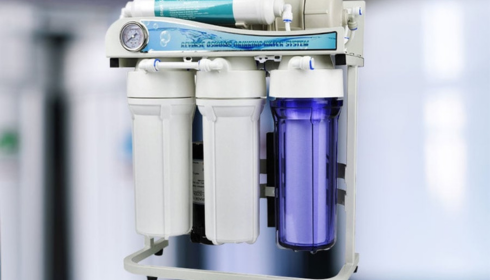
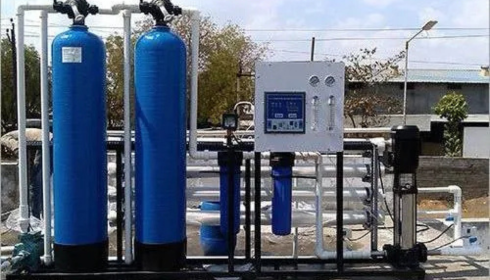
If you’ve searched for ro systems near me, you’ve probably seen how these reverse osmosis setups have taken over the market. And for good reason. RO systems don’t just trap sediment or reduce chlorine — they strip out microscopic impurities that most traditional filters can’t touch. We’re talking about heavy metals, nitrates, PFAS, and other modern contaminants that slip through the cracks of outdated treatment plants.

But what makes these systems truly impressive is their precision. Reverse osmosis technology pushes water through semi-permeable membranes that separate the good stuff (pure H₂O) from the unwanted extras. It’s like sending your water through a spa treatment, leaving it crisp, clean, and refreshing. Whether it’s for your kitchen sink or your entire house, an RO system is one of the smartest upgrades you can make if you truly care about what goes into your glass.

The Hidden Benefits of Cleaner Water

There’s something almost intangible about the difference once you’ve switched to a high-quality filtration setup. Your tea tastes better. Your skin feels softer after a shower. Even your dishes sparkle a bit more. It’s these subtle changes that start to add up — proof that cleaner water has ripple effects beyond just health.

Hard water, for example, doesn’t just leave white spots; it slowly ruins your plumbing and appliances. The minerals build up inside your pipes and water heater, reducing efficiency and increasing maintenance costs. Over time, investing in the right conditioning or filtration system actually saves money — fewer repairs, less detergent, and longer-lasting equipment. It’s the kind of home improvement that quietly pays for itself.

A Closer Look at Houston’s Growing Awareness

In cities like Houston, where industrial activity and variable water quality often make headlines, more homeowners are taking matters into their own hands. Many are turning to trusted local experts like aqua systems of houston, who specialize in understanding the city’s unique water profile and offering customized filtration solutions.

Houston’s mix of groundwater and surface water brings its own set of challenges — from fluctuating mineral content to seasonal taste changes. Having a system designed for those specific conditions makes all the difference. Local providers know which technologies perform best in the area, and they often go beyond just selling equipment — offering testing, maintenance, and support that ensure long-term performance.

The Emotional Side of Clean Water

There’s also something deeply personal about knowing your water is genuinely pure. It’s peace of mind — especially if you have kids, elderly family members, or pets. Water touches every corner of daily life, and there’s a kind of quiet comfort in not having to think twice about it. No more bottled water runs. No more guessing what’s in your ice cubes. Just clean, trustworthy water — the way it should’ve always been.

And if you talk to anyone who’s upgraded, they’ll likely say the same thing: once you get used to truly pure water, you can’t go back.

Looking Ahead: The Future of Home Water Care

What’s exciting is how fast this field is evolving. The future isn’t just about cleaner water; it’s about smarter systems. We’re already seeing filtration units that can monitor performance in real time, notify you when it’s time for maintenance, and even adjust based on the quality of the incoming supply.

Imagine a world where your water system texts you a reminder to change a filter — or better yet, orders it for you automatically. That’s where we’re heading, and it’s surprisingly not that far away.

Wrapping It Up

Clean water is something we all deserve, yet many of us take for granted until problems surface. With modern innovations in water treatment and filtration, homeowners finally have the tools to take full control of what flows from their taps. Whether it’s through advanced water conditioning systems, efficient ro systems near me, or trusted local providers like aqua systems of houston, the message is clear: pure water isn’t a luxury anymore — it’s a standard we can all reach for.

And maybe, just maybe, that’s one small step toward living a little better every single day.

Lighting Up the Gulf Coast: Why Locals Trust Real Electricians Who Care

0

There’s something about the Gulf Coast — the way the light hits the water, the slow pace of the mornings, the mix of old homes and new builds standing side by side. But behind that relaxed charm is the constant hum of modern living. From coffee makers to ceiling fans, power quietly keeps everything moving. Until, of course, it doesn’t. That’s when people start searching for someone reliable, someone local — a fort walton beach electrician who actually shows up when promised and doesn’t treat your problem like another ticket number.

Electricity, as simple as it seems when you flip a switch, is a web of careful connections. A small wiring mistake or a half-done installation can cause more than just flickering lights; it can compromise safety. Homeowners in Fort Walton Beach know this all too well — old houses with outdated wiring, salt air corroding panels, storms that test every breaker’s patience. Finding someone who understands local conditions, who knows the quirks of coastal electrical systems, becomes priceless.

That’s where experience steps in. The best electricians aren’t just people with a van full of tools — they’re problem-solvers who listen. The ones who pause before they start, walk you through the issue, and actually explain what’s going on instead of tossing jargon your way. You can tell when you’ve found one because they make even a major repair feel manageable.


Down the road, Santa Rosa Beach paints a similar picture — the charm, the community, and the constant need for dependable tradespeople. Between summer rentals, new developments, and families upgrading their homes, demand for electrical services never slows down. When you call an electrician santa rosa beach fl, you’re not just asking someone to tighten wires or install outlets. You’re inviting a professional into your home, trusting them to keep your family safe.

A good electrician in this part of Florida does more than fix problems — they prevent them. They catch the signs of potential overload before it becomes a hazard. They make sure your outdoor lighting won’t short out the next time a storm rolls through. And most importantly, they build trust. In small towns and tight-knit communities, reputation spreads faster than electricity itself.

What’s refreshing about Santa Rosa Beach professionals is their mix of laid-back attitude and precision. They’ll show up in shorts and work boots, smile like an old friend, and then proceed to methodically troubleshoot a complex wiring issue like it’s second nature. There’s an authenticity to that — and it’s something big-city contractors can’t fake.


Of course, standing out in a sea of electricians takes more than just skill. It’s about consistency — the kind that customers remember and talk about. That’s what has made acorn electrical a name people mention when they’re sharing recommendations over morning coffee or community Facebook groups. It’s not just the quality of their work (though that’s a given). It’s the way they make the process painless — from the first phone call to the final safety check.

They’re known for explaining things in a way you actually understand. Instead of tossing out buzzwords or upselling unnecessary upgrades, they focus on fixing what’s broken and improving what matters. You don’t feel like you’re dealing with a faceless company; you’re dealing with people who live in the same area, who might bump into you at the grocery store later that week.

That’s what separates the professionals from the rest — accountability mixed with care.


Homeowners often underestimate how quickly small electrical issues can snowball. A light that flickers occasionally, a tripped breaker once a week — those are warning signs, not quirks to ignore. Coastal humidity and older wiring are a risky combination, and that’s exactly why having a trusted electrician on speed dial matters.

The good ones don’t just respond when things go wrong; they help you avoid problems altogether. They offer maintenance checks, upgrade outdated panels, and ensure your wiring can handle modern demands — especially if you’ve recently added a pool, new appliances, or a full-home generator. They’re the unseen guardians of comfort and safety, quietly keeping the lights on and the air conditioners running through the muggiest Florida nights.


And while technology has made it easy to Google reviews or read star ratings, nothing beats word-of-mouth trust. Neighbors recommending the same electrician over and over says more than any ad could. You start to notice the same names popping up, the ones people describe with phrases like “always on time,” “fair prices,” and “doesn’t cut corners.”

In places like Fort Walton and Santa Rosa Beach, word spreads quickly — the good and the bad. That’s why genuine service, punctuality, and respect for a customer’s home are worth more than any discount coupon.


Electricians might not wear capes, but in a storm-prone coastal town, they’re the ones restoring normalcy after the chaos. They’re the reason your fridge stays cold and your kids can finish their homework when the weather turns rough. They’re the folks who show up when others don’t, who bring calm professionalism to moments of stress.

If you live anywhere along the Emerald Coast, finding and keeping a trustworthy electrician isn’t just convenience — it’s peace of mind. Whether you’re rewiring an old beach cottage, adding landscape lighting to a new build, or upgrading your panel for a solar setup, it pays to hire someone who knows the area, the codes, and the climate.

The truth is, the best electrical service feels effortless — the job gets done, the space feels safer, and life hums back to normal. You may not think about it again… until the next time you flip a switch and remember how much you rely on that invisible force running through your home.

Because when it comes down to it, it’s not just about wiring and outlets. It’s about trust, craftsmanship, and the kind of people who treat your home like their own — people who keep the coast bright, one light at a time.

Making Sense of Water in The Villages: A Homeowner’s Guide to Cleaner, Softer Water

0

If you’ve spent any time living in The Villages, FL, you probably already know that water here has a personality of its own. It’s not bad—just… distinctive. There’s hard water to contend with, occasional mineral taste, and the kind of stubborn build-up on faucets and appliances that no amount of scrubbing seems to fix. At first, I thought it was just my old plumbing, but quickly learned it was the water itself. And once I started paying attention, I realized there’s a whole ecosystem of solutions that can transform your everyday water experience.

I remember my first attempt at tackling the problem: I bought a few filters from the local hardware store, thinking that would do the trick. Two weeks later, I was frustrated, noticing the same rings on sinks and the slightly off taste in my morning coffee. That’s when I dove into researching reverse osmosis systems the villages fl and realized the scope of what a proper home water system could do.


Why Water Quality Matters Here

Florida’s groundwater often carries high levels of calcium and magnesium, which leads to hard water. For most people, it’s harmless—but it’s certainly noticeable. Hard water leaves spots on dishes, dulls laundry, and can shorten the lifespan of water heaters and pipes. Some residents also notice a faint chlorine taste or odor, especially after rain or during seasonal changes.

For many homeowners in The Villages, this isn’t just a minor inconvenience; it’s something that slowly chips away at the convenience and comfort of home life. Imagine starting your morning with a shower that leaves your skin dry or noticing white streaks on every glass in the cabinet. That’s when investing in the right system stops feeling optional and starts feeling necessary.


Soft Water Solutions: Ecowater Systems

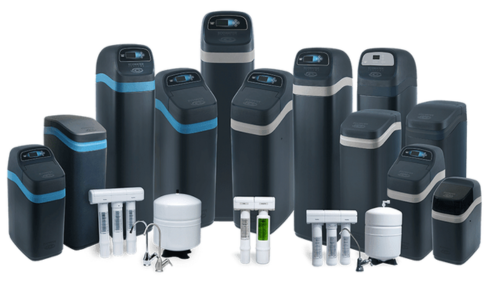
One of the most talked-about solutions is the ecowater systems water softener. These systems are designed to combat hard water by replacing calcium and magnesium ions with sodium or potassium, which prevents scale from forming.

I’ll admit, I was skeptical. A softener sounded like one of those luxury upgrades you read about in magazines. But after installing a system, the difference was immediately noticeable. Dishes came out sparkling, my coffee tasted cleaner, and even the family dog’s fur felt softer after baths. It’s not just about aesthetics—soft water can extend the life of appliances, reduce soap usage, and make everyday chores easier.

Maintenance is fairly straightforward, too. A quarterly check to refill salt and a yearly inspection keeps the system running efficiently. For anyone in the area weighing the pros and cons, Ecowater systems offer a solid combination of reliability, performance, and professional local support.


Filtering for Taste and Health

Softening addresses mineral content, but if taste, odor, and contaminant removal matter to you, filtration systems are worth considering. Many homeowners turn to reverse osmosis systems the villages fl, which are particularly effective at removing a wide range of impurities. These systems work by pushing water through a semi-permeable membrane, filtering out everything from chlorine and sediments to heavy metals.

I installed one in my kitchen after noticing a faint metallic taste in tap water. The difference was subtle at first, but it quickly became noticeable in coffee, ice, and even cooking. There’s a kind of satisfaction in pouring a glass of water that tastes “clean” and refreshing—something you don’t realize you’ve been missing until it’s gone.

Reverse osmosis systems vary in complexity, from compact under-sink units to full-home solutions. Depending on your needs, it’s worth talking to local professionals who can assess water quality and recommend the right setup. A proper system isn’t cheap, but the long-term benefits—health, taste, and appliance longevity—can far outweigh the initial investment.


Choosing the Right Ecosystem Water Softener

If you’re looking for a more integrated approach, an ecosystem water softener might be exactly what your home needs. These systems are designed with sustainability and efficiency in mind, offering not just softening but also pre-filtration to reduce sediment and other particulates.

What struck me about these systems is how seamlessly they fit into the home. Unlike older models, they’re quiet, don’t take up much space, and are often programmable for different household needs. Some even allow remote monitoring, which is handy if you travel or want peace of mind that everything’s working correctly.

For households in The Villages, where water quality can vary slightly from one neighborhood to another, having a system that adapts is a real advantage. It’s not just convenience—it’s about preventing long-term damage and improving the overall water experience.


Maintenance: The Unsung Hero

Here’s a truth many homeowners overlook: even the best systems won’t last if they aren’t maintained. Filters need to be changed, resin beds need inspection, and plumbing connections should be checked periodically. Skipping these steps can reduce effectiveness, cause foul odors, or even damage appliances over time.

I personally set reminders for filter changes every six months and schedule a professional check once a year. It might feel like extra work, but the peace of mind is worth it. There’s nothing worse than noticing white scale on your faucet or realizing your water heater is corroded because you neglected routine upkeep.


Local Expertise Makes a Difference

Trying to solve water issues without local guidance is like trying to read a map in a foreign city—possible, but frustrating. Experts in The Villages understand the specific water composition here, including mineral levels, pH, and seasonal changes. Their recommendations are tailored, not generic, which can save time, money, and headaches.

When I explored reverse osmosis systems the villages fl, local professionals helped me choose a system appropriate for both my home size and lifestyle. Installation was smooth, and they walked me through maintenance steps I hadn’t considered. That kind of support makes a huge difference, especially if this is your first time investing in water treatment solutions.


The Subtle Lifestyle Benefits

Beyond obvious advantages, water treatment and softening provide lifestyle perks you might not immediately notice. Laundry becomes softer, shampoos and soaps work more effectively, and your water-using appliances last longer. Even everyday tasks like washing dishes or making coffee feel less like chores and more like little moments of satisfaction.

A simple example: one morning I poured a glass of water, and it tasted crisp and pure. I paused, almost marveling at the small difference, before realizing I’d been taking that sensation for granted all along. Small wins like that accumulate, making life at home subtly, but undeniably, better.


Cost Considerations and ROI

Upfront costs for water systems can seem daunting. From softeners to reverse osmosis units, the price varies widely depending on complexity, brand, and home size. But consider the long-term savings: reduced soap usage, fewer appliance repairs, and extended water heater life can quickly offset the initial investment.

For me, the softener alone saved hundreds over a few years in appliance repairs and maintenance. When you factor in the intangible benefits—better tasting water, cleaner dishes, healthier skin—the ROI feels even more worthwhile.


Taking the First Step

If you’re wondering where to start, testing your water is a good first move. Identify whether your biggest concern is taste, hardness, or potential contaminants, then prioritize accordingly. Even a small under-sink filter can make mornings brighter, while a full home softener or reverse osmosis system can overhaul the entire water experience.

The key is to approach it thoughtfully. Research local providers, understand your water needs, and don’t settle for generic solutions. A small investment in proper water treatment can pay off in comfort, convenience, and peace of mind for years to come.


Final Thoughts

Water in The Villages isn’t “bad,” but it does have quirks. Hardness, occasional taste issues, and mineral buildup can impact daily life in subtle ways. By investing in solutions like ecowater systems water softener, reverse osmosis systems the villages fl, or an ecosystem water softener, you’re not just upgrading your home—you’re enhancing your quality of life.

Why Upgrading Your Water Softener Might Be the Best Home Decision You Make This Year

0

Water is something most of us take for granted. You turn on the tap, and it flows, crystal clear—or so you think. But if you’ve ever noticed that your soap doesn’t lather quite right, your dishes come out streaked, or your faucets and showerheads have a persistent mineral buildup, you might be dealing with hard water. And let me tell you, hard water isn’t just an annoyance—it’s a slow, sneaky culprit that can wreak havoc on your home’s plumbing and your appliances.

If you’re reading this while sipping your morning coffee and thinking, “Yeah, my water isn’t great,” then you’re in the right place. We’re going to talk about why water softeners matter, how to know when it’s time for a new one, and why professional help isn’t just a luxury—it’s often a necessity.


Understanding Hard Water and Its Impact

Hard water is essentially water that’s high in minerals, primarily calcium and magnesium. Those minerals might be good for your health in small amounts, but in your pipes and appliances? Not so much. Over time, hard water can create scale buildup, reducing the efficiency of heaters, washing machines, and even your coffee maker. That’s why your favorite appliances might suddenly start making that annoying grinding noise or leaving spots where there shouldn’t be any.

And here’s a thing: you don’t always notice hard water immediately. It creeps in, slowly creating problems you might attribute to age or “just wear and tear.” But a properly maintained water softener can dramatically extend the life of your appliances, save energy, and make everyday chores a lot less frustrating.


Signs Your Water Softener Is Failing

If you’ve had the same system for years, it might be time to look a little closer. A lot of people shrug off minor issues, thinking, “Eh, it’s probably fine.” But an old water softener system can cause more harm than good. Think about it: resin beads wear out, salt bridges form, and the system struggles to soften water effectively. You might notice:

  • Soap scum on showers and tubs
  • Spotty dishes even after running the dishwasher
  • Hard water rings on sinks and faucets
  • Appliances needing repairs more often

It’s not just a nuisance—it’s costing you money. A failing water softener can increase your energy bills because heaters and other appliances have to work harder to operate efficiently. And here’s a fun fact: water heaters exposed to hard water can lose up to 30% efficiency over time. That’s not pocket change.


Why Professional Service Matters

Sure, you can buy a DIY kit online or even try cleaning up the system yourself, but water softeners aren’t exactly plug-and-play appliances. There’s a whole ecosystem of mechanics, timers, and chemical balances that, if mishandled, can make things worse rather than better. That’s why searching for a commercial water softener service near me is often worth the extra investment.

Professional technicians not only install and maintain your system, but they can also assess your water quality, recommend upgrades, and spot potential issues before they become disasters. Think of it like going to a dentist—you might skip routine checkups and get away with it for a while, but eventually, a cavity or two sneaks up, and suddenly, you’re paying way more than you would have for a checkup.


The Rise of Smart Water Softeners

Technology has quietly snuck its way into water softeners, and it’s a game-changer. Modern systems can monitor water usage, automatically regenerate resin, and even send alerts to your phone when maintenance is needed. Companies like Aqua Tek have been at the forefront, offering solutions that combine traditional efficiency with modern convenience.

These systems aren’t just flashy—they’re practical. Imagine not having to remember when to add salt or worry about whether your system is keeping up with your household’s demands. It’s especially handy for families who have high water usage, homes with multiple bathrooms, or anyone who’s just tired of playing catch-up with their plumbing.


Cost vs. Value: What You’re Really Paying For

A new water softener might seem expensive at first glance. Prices can range from a few hundred to a few thousand dollars, depending on the system and home size. But here’s the thing—this isn’t just an appliance purchase; it’s an investment in your home’s infrastructure.

Consider the alternatives: a hard water system left unchecked can lead to clogged pipes, damaged appliances, and constant cleaning frustration. Repairs and replacements of even a single appliance can easily outweigh the cost of a quality water softener. And let’s not forget the intangible benefits—softened water feels nicer on your skin, improves the scent and longevity of laundry, and makes everyday cleaning less of a chore. That’s value you can literally feel, not just see on a bill.


DIY Maintenance Tips (When Appropriate)

Even the best systems benefit from a little TLC. While some tasks require a professional, there are simple maintenance habits that can extend the life of your water softener:

  • Check salt levels regularly – Low salt is the most common reason a system underperforms.
  • Clean the brine tank – Over time, sediment can accumulate, reducing efficiency.
  • Inspect for leaks or cracks – A small leak can turn into a big problem if ignored.
  • Run a resin cleaner – Helps remove iron and other minerals that clog the system.

The key is knowing your limits. If you’re unsure about any step, calling in an expert isn’t a sign of failure—it’s smart management.


When Replacement Is Inevitable

Sometimes, no amount of maintenance can save an old system. When your softener has reached the end of its lifespan, replacement is not just recommended—it’s essential. Signs that it’s time include:

  • Frequent manual regeneration
  • Resin beads appearing worn or discolored
  • Persistent hard water problems despite maintenance
  • Major leaks or mechanical failures

At this point, consulting a trusted company, like those offering Aqua Tek systems, can make the transition smooth. They’ll help select a system that fits your home’s water usage, budget, and long-term needs.


Choosing the Right Service Provider

Finding a reputable provider is crucial. You want someone who understands your home’s specific water conditions, offers reliable installation, and stands by their work. Look for companies with positive reviews, transparent pricing, and a willingness to explain their process in plain English. A great service provider doesn’t just install your softener—they educate you on its care and make sure it actually solves your problems.


The Bottom Line

Hard water might seem like a small inconvenience, but its effects are cumulative, persistent, and surprisingly costly. Whether you’re noticing early signs or dealing with an old water softener system that’s barely holding up, taking action sooner rather than later is always the better move.

Investing in a modern, well-maintained system, supported by a knowledgeable team, saves you time, money, and a lot of frustration. From better-tasting water and cleaner dishes to longer-lasting appliances, the benefits are tangible. And with companies like Aqua Tek leading the way in reliable, efficient solutions, upgrading your home’s water system has never been easier—or smarter.

So next time you catch yourself scrubbing spots off a glass or noticing soap scum in the shower, don’t just sigh and reach for more cleaning products. Take a moment, think about your water softener, and maybe even search for a commercial water softener service near me. Your future self—and your plumbing—will thank you.

Why Regular Deep Cleaning Is Essential for a Healthy, Long-Lasting Home

0

Think surface clean is enough? Let’s talk about what’s lurking beneath the couch and in the air vents. When we talk about “regular cleaning,” most people mean dusting, vacuuming lightly, wiping surfaces. But deep cleaning goes further: it reaches areas you rarely touch—behind appliances, inside ventilation ducts, underneath baseboards, grout lines, behind furniture, inside upholstery, etc. Deep cleaning isn’t just about aesthetics. It helps remove built-up grime, allergens, hidden mold, and microscopic debris that conventional cleaning leaves behind.

This information was given from an interview with Happy Clean, offering expert stain removal services in Dublin.

Deep Cleaning Improve Indoor Air Quality

Hidden Allergens & Dust Mite Build-Up

Dust isn’t just “visible fluff.” It’s a mix of dead skin cells, dust mite fragments, pet dander, pollen, and microscopic particles. The American Lung Association notes that many homes carry dust mite allergen deep in bedding, carpets, and furniture, which aggravates allergies and asthma. Over time, this dust becomes airborne, recirculates through HVAC systems, and worsens indoor air quality. A deep cleaning that includes vacuuming with a HEPA filter, steam-cleaning carpets, wiping all surfaces with a damp cloth (to trap dust rather than just scatter it) helps significantly reduce that allergen load.

Ventilation, HVAC & Filter Care

Your heating, ventilation, and air conditioning (HVAC) system is the lung of your home. If vents, ducts, and filters are clogged with dust and debris, your system works harder, circulates stale air, and becomes a breeding ground for mold or bacteria. Deep cleaning means regularly cleaning or replacing filters, brushing vent covers, and (periodically) having ducts professionally cleaned. The EPA recommends keeping indoor spaces clean, dry, and ventilated to avoid odor or pest problems. Environmental Protection Agency Upgrading to good filters or adding air purifiers can also amplify the benefit, lowering airborne particles and thus supporting healthier indoor air.

Mold, Mildew & Moisture Control

Moist, humid areas such as bathrooms, basements, kitchens are susceptible to mold and mildew growth. These fungi release spores that aggravate allergies, respiratory issues, or even more serious health problems. Deep cleaning tackles these spots: scrubbing grout with mold-resistant cleaners, using mild bleach or antimicrobial sprays (where safe), drying surfaces thoroughly, ensuring ventilation (e.g. exhaust fans), and checking for hidden leaks. Over time, that vigilance prevents mold from taking hold and helps sustain clean air inside your home.

Regular Cleaning Extend the Life of Furniture, Floors & Appliances

Dirt Abrasion — How Grit Wears Surfaces

Every footstep brings in microscopic dirt, sand, and grit that slowly grinds down surfaces—especially hardwood, laminate, and tile floors. That same fine dust settles into furniture joints, baseboards, and corners, acting like invisible sandpaper. Over time, it dulls finishes, scratches surfaces, and reduces the life span of your flooring and furnishings. Deep cleaning—like mopping with the right floor cleaner, vacuuming under furniture, and polishing surfaces—removes those tiny abrasives before they can do damage. It’s not just about keeping things shiny; it’s about protecting your investment. Think of deep cleaning as preventive maintenance that preserves your home’s value and saves money on costly repairs or replacements later.

Protecting Upholstery, Rugs & Carpets

Carpets and upholstery are like magnets for dust, crumbs, and pet dander. Regular vacuuming helps, but only deep cleaning—using steam or hot water extraction—can truly remove the dirt and allergens trapped deep within the fibers. That’s why professional carpet cleaners often recommend doing it at least twice a year. Over time, those trapped particles can break down the fibers, fade colors, and even cause lingering odors. The same goes for upholstered furniture—vacuum crevices, spot-treat stains, and occasionally deep clean fabric with suitable solutions. A cleaner home not only looks better but feels fresher and lasts longer.

Appliance Efficiency & Maintenance

Your appliances work better and last longer when kept clean. Dust buildup behind your refrigerator or lint in your dryer vent forces the machine to work harder, consuming more energy and shortening its life. Deep cleaning includes pulling out large appliances to vacuum or wipe behind them, cleaning coils, descaling washing machines, and disinfecting microwaves and dishwashers. These small maintenance actions reduce wear, improve efficiency, and can even lower your energy bills. A clean appliance is a healthy one—just like the rest of your home.

4. Deep Cleaning Prevent Pest Infestations

Crumbs, Spills & Hiding Places

Pests like ants, cockroaches, and rodents thrive on what’s left behind after casual cleaning. Tiny crumbs under the toaster, grease behind the stove, or spilled juice under the fridge can become a buffet for unwanted guests. Deep cleaning removes these food sources completely—scrubbing under appliances, cleaning cabinets, and checking hidden corners. The cleaner your home, the less attractive it becomes to pests looking for food or nesting spots.

Moisture & Molds Attracting Pests

Moisture is another pest magnet. Standing water or dampness from leaky pipes or clogged drains attracts bugs like silverfish and cockroaches. Moldy spots can also draw in mites. During deep cleaning, inspecting and drying damp areas is crucial. Wipe down bathroom tiles, clean under sinks, and repair leaks quickly. Controlling moisture keeps pests and mold at bay while maintaining a fresher, healthier atmosphere indoors.

Early Warning Signs & Mitigation

Regular deep cleaning also acts as a home inspection—you’re more likely to notice signs of infestations early, like droppings, gnaw marks, or strange smells. Catching these clues before pests spread saves both money and frustration. Simple steps like sealing cracks, storing food properly, and cleaning pet areas thoroughly reduce risk dramatically. Prevention always beats extermination, and deep cleaning gives you that peace of mind.

5. Enhancing Family Health & Safety

Reducing Pathogens on High-Touch Surfaces

Door handles, light switches, remotes, and countertops can harbor bacteria and viruses for days. While surface cleaning wipes help, deep cleaning adds that extra layer of defense—sanitizing and disinfecting less obvious areas like behind handles, under sink rims, or around toilet bases. This helps reduce the spread of colds, flu, and other infections, especially in homes with kids or pets.

Minimizing Slips, Falls & Hidden Hazards

Clutter, dust buildup, and spills can all lead to accidents. Polishing floors, securing rugs, and keeping pathways clear during a deep clean reduces the risk of slips and falls—something particularly important for older family members. Even decluttering closets and storage areas can prevent injuries and make your space safer overall.

Mental Well-Being Benefits

Clean spaces genuinely make people feel better. Research from Princeton University shows clutter can limit focus and increase stress. A deep-cleaned, organized home provides a sense of calm and control. Breathing fresh air, smelling a clean space, and seeing your home sparkle can have a noticeable boost on your mood and productivity. Deep cleaning is self-care for both your home and your mind.

6. Infographic: Deep Cleaning Tasks vs Frequency

Weekly Tasks:

  • Vacuum carpets and rugs thoroughly
  • Disinfect high-touch surfaces
  • Clean bathroom sinks and toilets

Monthly Tasks:

  • Wash windows and window sills
  • Wipe down kitchen cabinets and appliances
  • Dust ceiling fans and light fixtures

Seasonal Tasks:

  • Deep clean carpets and upholstery
  • Wash curtains and bedding
  • Clean HVAC vents and replace filters
  • Scrub grout and tiles in bathrooms/kitchens

Annual Tasks:

  • Move heavy furniture to clean underneath
  • Clean behind large appliances
  • Inspect and clean air ducts
  • Polish wood floors and reseal if needed

This schedule keeps deep cleaning manageable—helping you stay consistent without feeling overwhelmed.

7. Expert Insight from Livia of Happy Clean

“Homes that schedule regular deep cleans see far less wear and tear over time,” says Livia, co-founder of Happy Clean. “We recommend deep cleaning carpets and upholstery at least twice a year and paying attention to areas that usually get overlooked—like inside oven hoods or behind radiators. It’s amazing how much fresher and healthier a home feels afterward.”

Livia’s experience highlights the practical benefits of consistency. Many homeowners underestimate how fast dust and grime accumulate in hidden spots, but once they commit to a schedule, the results are immediate: fewer odors, less dust floating in the air, and even reduced allergy symptoms. Her advice underscores that deep cleaning isn’t just about beauty—it’s essential for long-term home care and health preservation.

8. CONCLUSION

“Daily tidying keeps things neat, but regular deep cleaning is what truly protects your home’s health, comfort, and longevity” – says Livia from Happy Clean.

From cleaner air to longer-lasting furniture and safer living conditions, every effort you put into deep cleaning pays off. Think of it as preventive care—just like regular checkups for your health. Set a deep cleaning schedule, maybe seasonally or twice a year, and stick to it. You’ll enjoy a healthier, more inviting home environment that stands the test of time. And if life gets busy, don’t hesitate to call in professionals to lend a hand—after all, a clean home is a happy home.

Breathing and Drinking Easy: How Tennessee Homes Are Getting Smarter About Clean Air and Water

0

You probably don’t think twice about the air you breathe or the water you drink. It’s just… there. Running from your tap, circulating through your home — invisible, dependable, almost forgettable. Until one day, something feels off. Maybe the water smells faintly metallic. Or there’s dust that just won’t quit, no matter how often you clean. Suddenly, you realize: what you can’t see might be affecting your health and comfort more than you thought.

That’s the moment when most homeowners start looking into modern filtration and purification systems. Not just fancy gadgets, but quiet, behind-the-scenes protectors that make daily living better. Tennessee, especially, has been seeing a shift — more people caring about what flows through their homes, and what fills their lungs.


The New Standard of “Healthy Living”

It’s no longer enough to eat organic or hit the gym three times a week. Real wellness starts right inside your home — in your water, your air, and the systems that support them. The truth is, Tennessee’s unique environment, with its humidity, minerals, and rural well-water zones, often demands extra care.

Enter the tn filter, a small yet mighty part of a much bigger story. These filters are designed specifically to handle Tennessee’s regional water challenges — from chlorine-heavy city water to sediment-prone well sources. And while they may sound technical, the difference they make is simple and noticeable.

You feel it in your morning coffee that tastes cleaner. You see it in your glassware that comes out spotless. You even notice it in the way your skin feels less dry after a shower. It’s one of those home upgrades that quietly improves your life without demanding constant attention.


Why Air Quality Deserves the Same Attention

Most of us have grown up thinking pollution exists “out there” — in big cities, near factories, along highways. But the air inside our homes can often be worse. Trapped dust, cleaning chemicals, pet dander, and even off-gassing from furniture all circulate endlessly, especially in tightly sealed houses.

That’s where advanced air and water systems come in. Modern units don’t just filter out what’s harmful — they actually balance humidity, purify contaminants, and create a more comfortable living environment. Imagine coming home and breathing air that feels lighter, cleaner, almost like standing outside after a good rainstorm.

It’s not luxury — it’s necessity. Especially for families with kids, pets, or allergies. Good air quality doesn’t just help you breathe better; it helps you live better. Your focus improves, you sleep more soundly, and you’re less likely to deal with those mysterious “tired all the time” days that have no obvious cause.


The Science Meets Simplicity

One of the most remarkable things about Tennessee’s growing clean-water and clean-air movement is how accessible it’s become. You don’t need to be an engineer to understand what’s happening. You just need a professional who can translate the science into simple, everyday benefits.

Companies like East Tennessee Chemical are a great example of this. Their work goes far beyond selling filters or softeners. They focus on education — helping homeowners understand what’s in their water, what those numbers on a test mean, and how to fix it in a way that fits their lifestyle.

They’ve built a reputation on transparency. No gimmicks, no technical overload — just straightforward guidance. Whether it’s a restaurant protecting its ice machines or a homeowner dealing with hard well water, their goal remains the same: make clean water and air easy to achieve, and even easier to maintain.


Small Upgrades, Big Differences

It’s funny how much impact small things can have. Change your light bulbs — your energy bill drops. Add insulation — your home stays warmer. Improve your filtration — suddenly, everything from your coffee to your skin feels better.

Take water softeners, for instance. A well-designed system can prevent scale buildup, extend the life of your appliances, and cut down on cleaning time. Add an air purifier, and your HVAC system doesn’t have to work as hard. It’s all connected — and the benefits multiply faster than you’d expect.

There’s also a peace of mind element. Knowing that your family isn’t breathing in irritants or drinking questionable water is priceless. It’s a quiet confidence that stays with you every day, like the comfort of locking your doors at night.


The Tennessee Twist

Every region has its quirks, and Tennessee is no different. In some areas, heavy rainfall and groundwater minerals make water unusually hard. In others, industrial zones have left traces of chemicals that require advanced treatment. That’s why off-the-shelf solutions rarely work long-term.

Local expertise matters. A technician who knows the difference between Knox County’s municipal system and a rural Sevier County well is going to recommend entirely different filtration setups. It’s this understanding — this local nuance — that separates okay service from truly exceptional results.

And when you find someone who knows how to balance your home’s water chemistry or optimize your air system for Tennessee’s humid summers, you start noticing the difference within days. The taste improves, your air feels fresher, and your home just seems… healthier.


What “Clean” Really Feels Like

Clean isn’t just a word — it’s an experience. It’s stepping out of the shower and realizing your skin feels soft, not sticky. It’s sipping cold water that tastes crisp and natural, not metallic. It’s taking a deep breath indoors and realizing it feels as refreshing as standing outside on a spring morning.

That’s the kind of transformation modern air and water systems bring. They’re not about bells and whistles; they’re about reclaiming something simple: purity.

When your home runs on clean systems, everything else improves — your mood, your comfort, even your savings over time. Because fewer repairs, less energy use, and longer appliance life all add up.


Investing in the Invisible

Let’s be honest — these aren’t flashy upgrades. You can’t show off your filtration system at a dinner party. But you can feel its effects every single day. It’s one of those investments that quietly pays you back in quality of life.

People often hesitate, thinking it’s too complicated or expensive, but once they make the leap, they rarely look back. The technology has evolved to be smarter, more efficient, and easier to maintain. Many systems even come with monitoring features that tell you when it’s time for a filter change, no guesswork required.

In the long run, it’s not just about clean air and water. It’s about peace of mind — knowing your home is doing its part to protect your family, without you needing to constantly think about it.


Final Thoughts: The Quiet Revolution

Across Tennessee, there’s a quiet revolution happening — one home at a time. People aren’t waiting for problems to appear anymore; they’re taking charge. They’re installing smarter systems, testing their water, improving their air quality, and refusing to settle for “good enough.”

And that’s really what progress looks like: not loud, not complicated, but thoughtful. A slow, steady shift toward healthier homes and happier families.

So, the next time you fill a glass or take a deep breath in your living room, pause for a moment. That clarity — that comfort — is worth something. It’s proof that taking care of the invisible parts of your home can make a visible difference in how you live.

Because when the air is fresh, and the water’s pure, life just… flows better.

Best High Payout Pokies for Aussie Punters

0

Best High Payout Pokies for Aussie Punters

Why RTP Matters More Than Flashy Graphics

Most Australian players pick a pokie because the artwork looks sharp or the theme feels familiar. That approach rarely rewards the bankroll. The single most reliable indicator of long-term value is return to player, or RTP, which measures how much of all wagered money a machine pays back over millions of spins. Discover further information on online casinos that accept apple pay.

A pokie sitting at 96.5% RTP returns $96.50 for every $100 cycled through it in theory. Drop to 92% and the house edge nearly doubles. That gap of a few percentage points decides whether a session stretches across two hours or fizzles in twenty minutes.

Volatility sits alongside RTP. High-volatility games deliver rare but large wins, while low-volatility titles trickle smaller payouts more often. Matching volatility to your tolerance is just as important as chasing the top percentage.

Beyond the maths, trustworthiness of the platform matters enormously. A generous RTP figure means nothing if withdrawals stall. Reputable operators publish audited payout data and process cash-outs quickly, which is exactly what separates a premium room from the rest.

Top High Payout Titles Worth Your Attention

Several well-known releases consistently rank near the top of Australian payout charts. Each one pairs a strong theoretical return with mechanics that reward patient play.

  • Mega Joker , often cited at 99% RTP in its optimal mode, one of the highest figures available anywhere.
  • Blood Suckers , a classic hovering around 98%, with a low-variance profile that suits steady grinders.
  • 1429 Uncharted Seas , roughly 98.6% RTP and famously gentle on the balance.
  • Jackpot 6000 , another near-99% performer when the gamble feature is used wisely.
  • Kings of Chicago , about 97.8%, blending solid returns with a livelier pace.

Three of those five titles come from a single developer, which says plenty about where the sharpest maths tends to live. Smart players build a shortlist around these names rather than drifting toward whatever sits on the front page.

Progressive jackpots deserve a mention too. Their base RTP is usually lower, often in the 92% to 94% range, because a slice of every bet feeds the prize pool. They only become worthwhile when the jackpot has climbed well above its seed value.

Getting More From Every Spin

Setting a session budget before logging in is non-negotiable. Divide that figure into smaller blocks so a cold streak never wipes the whole balance in one sitting.

Bonus funds and free spins stretch playtime, but always read the wagering requirement attached. A 100% match up to $500 with a 30x playthrough is far friendlier than the same offer at 50x. Claiming a matched deposit effectively doubles your starting stake of $250 into $500, giving more spins at a high-RTP machine before your own money is at risk.

Finally, treat RTP as a long-run guide, not a promise. A 98% pokie can still drain a $200 bankroll in an unlucky hour. Choose licensed platforms, verify payout speeds, and let the maths work in your favour over time.

Emergency Plumbing Made Easy: Portable and Flexible Solutions with SFA Pumps

0

Plumbing emergencies can strike at the most inconvenient times. A blocked sink, overflowing toilet, or sudden water leak in a home, office, restaurant, or salon can disrupt daily operations, damage property, and create stress. Traditional plumbing solutions often involve extensive civil work, which is time-consuming, expensive, and inflexible in emergencies.

This is where SFA Pumps come into play. Known for their portability, flexibility, and efficiency, SFA pumps provide quick, reliable solutions for emergency plumbing situations. Whether it’s a residential, commercial, or industrial setting, these pumps ensure minimal downtime and a smooth, hassle-free experience.

The Challenges of Emergency Plumbing

Plumbing emergencies often share common challenges:

  • Time-sensitive: Delays in resolving a leak or blockage can lead to flooding or property damage.
  • Disruption of daily operations: In offices, restaurants, or salons, plumbing failures can halt business activities.
  • Limited access: Some sinks, basements, or pantries are located far from main sewer lines.
  • High cost of repairs: Emergency plumbing with traditional methods often requires expensive excavation, rerouting, or replacements.

Businesses and homeowners need solutions that are fast, portable, and flexible, allowing them to restore normal operations without costly renovations.

Why SFA Pumps Are Ideal for Emergency Situations

SFA Pumps are designed to adapt to any location, whether above ground, under sinks, in basements, or behind cabinets. Their compact size and advanced pumping technology make them perfect for handling both planned installations and unexpected plumbing crises.

Key Features for Emergency Plumbing

  1. Portability – SFA pumps can be easily installed wherever needed without extensive modifications.
  2. Flexible Installation – Pumps like Sanivite or Sanicom 2 allow connection to sinks, dishwashers, or washrooms at locations away from existing sewer lines.
  3. Quick Setup – Unlike traditional plumbing, which may take days, SFA pumps can often be operational within hours.
  4. Durable and High Capacity – Designed to handle both hot and cold water, with continuous use for commercial or residential applications.
  5. Quiet Operation – Minimizes disruption, ensuring comfort in offices, hotels, or salons.

Residential Applications: Swift Solutions for Homes

Homeowners often face plumbing emergencies in areas like basements, attics, or garages. SFA pumps offer a practical and immediate solution.

  • Basement Bathrooms: Installing a bathroom in a basement is often tricky due to the slope needed for drainage. With the Saniflo Up, homeowners can pump wastewater to the main drain quickly, even in emergencies.
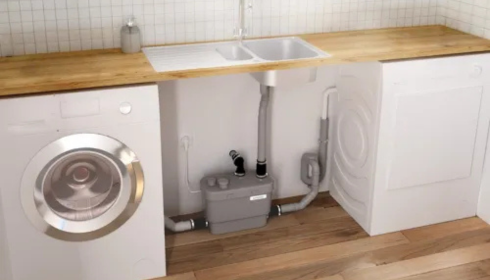
  • Kitchen or Laundry Sinks: Overflowing sinks or dishwashers can be connected to Sanivite+ pumps for fast drainage without calling a plumber for extensive modifications.
  • Temporary Drainage Needs: During renovations, portable SFA pumps can manage wastewater effectively until permanent plumbing is restored.

Commercial Applications: Minimizing Downtime

In offices, restaurants, salons, and hotels, a plumbing emergency can halt operations, affecting revenue and reputation. SFA pumps provide reliable and flexible solutions:

  • Restaurants: Kitchens generate large volumes of wastewater daily. The Sanicom 2 can handle emergency drainage from sinks, dishwashers, and prep stations without shutting down the kitchen.
  • Salons and Spas: Overflows from shampoo stations or wash areas can be managed instantly using Sanivite, preventing disruption to clients and staff.
  • Hotels: Emergencies in basement laundries or guest restrooms are efficiently handled by portable SFA pumps, allowing operations to continue while repairs are made.

Advantages of SFA Pumps for Emergency Plumbing

1. Cost-Effective

Traditional emergency plumbing often requires excavation, rerouting, and expensive repairs. SFA pumps reduce these costs by eliminating the need for major civil work.

2. Time-Saving

Quick installation means businesses and homeowners can resume normal activities faster, minimizing revenue loss or inconvenience.

3. Flexibility in Installation

Whether it’s a temporary setup during renovations or a permanent fix in hard-to-access areas, SFA pumps adapt easily to space constraints.

4. Sustainable and Efficient

Many SFA pumps handle grey water efficiently, enabling potential reuse for irrigation or non-potable applications, supporting eco-friendly water management.

5. Durable and Reliable

Built for continuous use, SFA pumps withstand the high demands of commercial and residential environments, reducing future emergencies.

Real-Life Example

A boutique spa in Bangalore faced an emergency when one of its shampoo station sinks backed up, threatening to disrupt client appointments. By installing a Sanivite pump, the spa restored drainage immediately without breaking walls or disrupting other areas.

Similarly, a restaurant in Delhi experienced a blocked kitchen sink during peak hours. Instead of waiting for traditional plumbing repairs, they installed Sanicom 2, quickly restoring wastewater flow and preventing downtime during service.

Why Emergency Plumbing Solutions Matter

Plumbing emergencies can occur unexpectedly, and having flexible, portable, and reliable solutions like SFA pumps can save significant time, money, and stress.

  • For homeowners, it prevents water damage and reduces costly repairs.
  • For businesses, it maintains operations, protects revenue, and preserves customer satisfaction.
  • For commercial renovations, portable pumps handle temporary drainage efficiently without delaying the project.

SFA pumps transform emergency plumbing from a disruptive challenge into a manageable, efficient solution.

Conclusion

Plumbing emergencies are inevitable, but their impact doesn’t have to be. With SFA Pumps, homeowners and businesses gain access to portable, flexible, and cost-effective drainage solutions that are easy to install and reliable under pressure.

From basements to commercial kitchens, salons, and hotel laundries, SFA pumps like Sanivite, Sanicom 2, and Saniflo Up ensure quick resolution, minimal disruption, and long-term durability.

Investing in portable, flexible plumbing solutions today is the smartest way to protect your home or business from tomorrow’s plumbing emergencies.