Home Blog Page 12

How Often Should You Repaint Your Home? A Comprehensive Guide

0

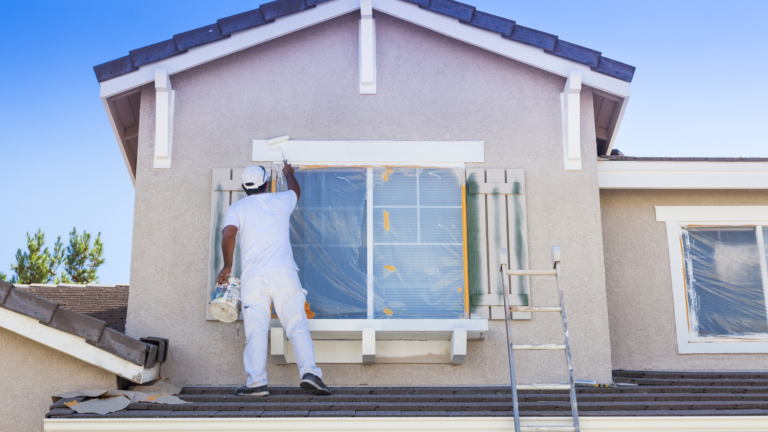
Repainting your home is more than just an aesthetic choice; it’s a vital aspect of home maintenance that affects the overall health and longevity of your property. But how often should you repaint your home to keep it looking its best and to ensure it’s protected from the elements? In this comprehensive guide, we’ll explore the factors that influence how often you should repaint, the benefits of regular painting, and tips for making the most of your painting project.

1. Factors Influencing Repainting Frequency

1.1 Climate and Weather Conditions

The climate in your area plays a significant role in determining how often your home needs repainting. Homes in regions with extreme weather conditions, such as intense sun, heavy rain, or high humidity, may require more frequent repainting. For example, homes in sunny areas might experience paint fading and deterioration faster due to UV exposure. Conversely, homes in wet climates might suffer from mold and mildew issues that necessitate more frequent repainting.

1.2 Quality of Paint and Application

The type of paint and the quality of the application can impact how long your paint job lasts. High-quality paints with advanced weather-resistant properties can last longer than cheaper alternatives. Additionally, proper preparation and application by a professional can extend the lifespan of your paint job. Make sure to choose paints that are suitable for your home’s specific needs, such as those designed for high-traffic areas or extreme weather conditions.

1.3 Home Exterior Material

Different exterior materials require different repainting frequencies. For example, wood siding typically needs to be repainted every 5 to 7 years, while vinyl siding can last up to 10 years without a fresh coat of paint. Stucco homes generally need repainting every 5 to 6 years. Understanding the material of your home’s exterior will help you determine the appropriate repainting schedule.

1.4 Previous Paint Job

The condition of your previous paint job can provide clues about when you should repaint. If you notice peeling, cracking, or fading, it’s a sign that your home needs a fresh coat of paint. Regular inspections of your home’s exterior will help you identify these issues early and address them before they become more severe.

2. Signs That Indicate It’s Time to Repaint

2.1 Fading Colors

One of the most common signs that it’s time to repaint is color fading. Sun exposure can cause paint to lose its vibrancy over time. If your home’s exterior looks dull or the colors are no longer as vibrant as they used to be, it might be time for a new coat of paint.

2.2 Peeling or Cracking Paint

Peeling and cracking paint not only looks unattractive but can also lead to further damage if left unaddressed. These issues are often caused by poor paint application or damage from weather conditions. If you notice significant peeling or cracking, it’s a good idea to repaint soon to prevent underlying damage.

2.3 Mold and Mildew Growth

In damp or humid climates, mold and mildew can grow on painted surfaces. If you see black or green spots on your home’s exterior, it’s a sign that moisture has compromised the paint. Repainting with a mildew-resistant paint can help address this problem and prevent it from recurring.

2.4 Damage from Weather Conditions

Severe weather conditions, such as hailstorms or heavy rains, can cause damage to your home’s paint job. If your home has recently experienced harsh weather, it’s worth inspecting the exterior for any signs of damage that may require repainting.

3. Benefits of Regular Repainting

3.1 Protects Your Home

Regular repainting helps protect your home’s exterior surfaces from damage caused by weather, pests, and other environmental factors. A fresh coat of paint creates a barrier that prevents moisture from seeping into your home, reducing the risk of rot, mold, and structural damage.

3.2 Enhances Curb Appeal

Repainting is one of the most effective ways to enhance your home’s curb appeal. A well-maintained exterior can significantly improve the appearance of your property and make it more attractive to potential buyers if you’re considering selling.

3.3 Increases Property Value

A fresh coat of paint can increase the value of your home. Prospective buyers often view well-maintained homes as more desirable, and a recently painted exterior can be a strong selling point. Investing in regular repainting can help you maintain or even increase your home’s value over time.

3.4 Improves Home Comfort

Beyond aesthetics, repainting can improve your home’s comfort. High-quality paint with insulating properties can help regulate indoor temperatures and improve energy efficiency. This can be particularly beneficial if you live in an area with extreme temperatures.

4. Tips for a Successful Repainting Project

4.1 Choose the Right Paint

Selecting the right type of paint is crucial for a successful repainting project. Opt for high-quality, weather-resistant paints that are suitable for your home’s exterior material and climate. Consult with a professional to choose the best paint for your specific needs.

4.2 Prepare the Surface Properly

Proper surface preparation is essential for a long-lasting paint job. Clean the exterior thoroughly, remove any old, peeling paint, and repair any damage before applying new paint. This will ensure that the new coat adheres properly and lasts longer.

4.3 Hire a Professional Painter

While DIY painting can be tempting, hiring a professional painter ensures that the job is done correctly and efficiently. Professionals have the experience, tools, and techniques to achieve a flawless finish and address any issues that may arise during the process.

4.4 Plan for Optimal Timing

Timing is important when it comes to repainting your home. Plan your project during a season with mild weather to allow the paint to dry and cure properly. Avoid painting during extreme temperatures or high humidity, as this can affect the paint’s performance.

4.5 Maintain Your Painted Surfaces

After repainting, regular maintenance can help extend the lifespan of your paint job. Clean your home’s exterior periodically and address any issues, such as mold growth or damage, promptly. Regular inspections will help you catch problems early and keep your home looking its best.

5. Conclusion

Repainting your home is an essential aspect of home maintenance that contributes to both its appearance and protection. By understanding the factors that influence repainting frequency, recognizing the signs that indicate it’s time for a fresh coat, and following best practices for a successful project, you can ensure that your home remains beautiful and well-maintained for years to come.

Whether you’re considering a new color scheme or simply looking to refresh your home’s exterior, regular repainting is a worthwhile investment that pays off in both aesthetics and property value. Stay proactive with your home maintenance, and enjoy the benefits of a well-painted home.

Carpet vs. Hardwood: Which is Better for Your Living Room?

0

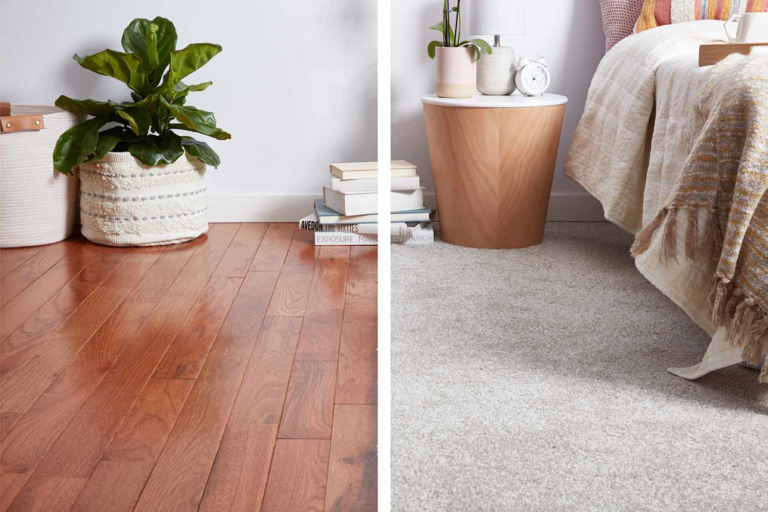
When it comes to choosing the perfect flooring for your living room, two popular options often come to mind: carpet and hardwood. Each has its own set of benefits and drawbacks, and the best choice for your space will depend on various factors, including your lifestyle, budget, and personal preferences. This comprehensive guide will help you weigh the pros and cons of carpet and hardwood flooring to determine which is the best fit for your living room.

Carpet Flooring: Comfort and Warmth

1. Comfort and Softness

One of the most compelling reasons to choose carpet for your living room is the comfort it provides. Carpet offers a soft, cushioned surface underfoot, making it ideal for lounging, playing with kids, or sitting on the floor. Its plush texture also adds a layer of warmth to your living room, which can be particularly appealing during colder months.

2. Noise Reduction

Carpet is an excellent choice for sound insulation. It helps to absorb and reduce noise, creating a quieter environment. This is especially beneficial in homes with multiple levels or for those who live in close proximity to neighbors. The padding beneath the carpet further enhances its sound-dampening qualities.

3. Variety of Styles and Colors

Carpet comes in an extensive range of styles, colors, and patterns, allowing you to customize your living room’s look. From plush textures to loop piles and berber styles, there’s a carpet to match every design aesthetic. Additionally, carpets can be easily coordinated with existing décor, making them a versatile option.

4. Affordability

In general, carpet is a more budget-friendly option compared to hardwood flooring. The initial cost of carpet installation is typically lower, and it can be a cost-effective choice for large living spaces. However, it’s important to consider long-term maintenance and replacement costs.

5. Maintenance and Cleaning

Carpet requires regular cleaning to maintain its appearance and hygiene. Regular vacuuming and occasional deep cleaning are necessary to remove dirt, dust, and allergens. While modern carpets are designed to resist stains and spills, they still need to be treated promptly to prevent permanent damage.

Hardwood Flooring: Elegance and Durability

1. Timeless Beauty

Hardwood flooring is renowned for its timeless elegance and classic appeal. The natural beauty of wood adds warmth and sophistication to any living room. With various species, finishes, and grain patterns available, hardwood can complement both traditional and contemporary interiors.

2. Durability and Longevity

Hardwood floors are incredibly durable and can last for decades with proper care. They are resistant to wear and tear, making them a suitable choice for high-traffic areas. Additionally, hardwood floors can be sanded and refinished multiple times, allowing you to refresh their appearance as needed.

3. Easy to Clean

Hardwood flooring is relatively easy to maintain. Regular sweeping and occasional mopping with a wood-friendly cleaner are usually sufficient to keep the surface looking its best. Unlike carpet, hardwood does not trap dust, allergens, or pet dander, making it a more hygienic option for many households.

4. Increase in Property Value

Investing in hardwood flooring can enhance the value of your home. Many homebuyers appreciate the aesthetic appeal and durability of hardwood floors, which can make your property more attractive on the market. This can be a significant advantage if you plan to sell your home in the future.

5. Temperature Considerations

While hardwood flooring does not offer the same level of warmth as carpet, it can be complemented with area rugs and throw blankets to create a cozy environment. If you’re concerned about cold floors, consider installing radiant floor heating beneath your hardwood flooring.

Making the Decision: Factors to Consider

1. Lifestyle and Usage

Consider how you use your living room and the activities that take place there. If you have young children or pets, carpet may offer more comfort and noise reduction. Conversely, if you prefer a more sophisticated and durable option, hardwood may be the better choice.

2. Budget

Evaluate your budget for both initial installation and long-term maintenance. Carpet generally has a lower upfront cost, but hardwood’s durability and potential to increase property value may justify the higher investment.

3. Design and Aesthetics

Think about the overall look and feel you want for your living room. Carpet offers a wide range of styles and colors, while hardwood provides a classic and elegant appearance. Consider how each option will complement your existing décor.

4. Maintenance and Cleaning

Assess how much time you’re willing to spend on cleaning and maintenance. Carpet requires more regular upkeep, whereas hardwood is easier to clean but may need refinishing over time.

5. Climate and Comfort

Consider the climate in your area and how it affects your flooring choice. Carpet can provide extra warmth in colder climates, while hardwood can be combined with other elements to achieve a comfortable living space.

Conclusion

Both carpet and hardwood flooring offer distinct advantages for your living room. Carpet provides comfort, warmth, and a wide variety of styles, while hardwood offers durability, timeless beauty, and easy maintenance. Your decision should be based on your lifestyle, budget, design preferences, and maintenance preferences. By carefully evaluating these factors, you can choose the flooring option that best suits your living room and enhances your home’s overall appeal.

Whether you opt for the cozy embrace of carpet or the elegant charm of hardwood, each choice has the potential to transform your living room into a welcoming and stylish space. Consider your needs and preferences, and you’ll find the perfect flooring solution for your home.

The Importance of Proper Roof Ventilation

0

When it comes to maintaining the longevity and efficiency of your home, roof ventilation often doesn’t receive the attention it deserves. However, proper roof ventilation is crucial for protecting your home from a variety of issues that can arise from poor air circulation in the attic space. This article delves into the importance of proper roof ventilation, highlighting how it benefits your home and offering practical tips to ensure your roof is well-ventilated.

What Is Roof Ventilation?

Roof ventilation refers to the system of air passages designed to regulate airflow through your attic. This system helps balance the air pressure inside your attic and the outside environment, which is essential for controlling temperature and moisture levels. Proper ventilation typically involves a combination of intake vents (usually located at the soffits or eaves) and exhaust vents (often found at the roof ridge or near the peak of the roof).

Why Is Proper Roof Ventilation Important?

  1. Prevents Heat Buildup

One of the primary functions of roof ventilation is to prevent heat buildup in the attic. During hot weather, solar radiation can cause your roof and attic to become excessively hot. Without proper ventilation, this heat can transfer into the living spaces of your home, leading to increased cooling costs and discomfort.

Proper ventilation allows hot air to escape from the attic, reducing the overall temperature and helping to keep your home cooler. This not only enhances comfort but also reduces the load on your air conditioning system, potentially lowering your energy bills.

  1. Reduces Moisture Damage

Moisture control is another critical aspect of roof ventilation. Humid air from inside your home can rise into the attic, where it can condense on cold surfaces such as rafters and roof decking. Over time, this condensation can lead to mold growth, wood rot, and structural damage.

Effective ventilation helps to expel humid air from the attic, minimizing the risk of moisture-related issues. By keeping the attic dry, you protect the structural integrity of your roof and the overall health of your home.

  1. Extends Roof Lifespan

Proper ventilation plays a significant role in extending the lifespan of your roof. Excessive heat and moisture can accelerate the deterioration of roofing materials, leading to premature aging and the need for costly repairs or replacements.

By maintaining a well-ventilated attic, you help to regulate temperatures and reduce moisture levels, which can prevent issues such as shingle warping, curling, and granule loss. This proactive approach can ultimately extend the lifespan of your roof and protect your investment.

  1. Improves Indoor Air Quality

The air quality inside your home can be affected by poor attic ventilation. When moisture and heat accumulate in the attic, they can contribute to poor indoor air quality, which can have health implications for you and your family.

By ensuring proper ventilation, you help to maintain a healthier indoor environment. Fresh air circulation in the attic can reduce the risk of mold and mildew, which can contribute to respiratory issues and allergies.

How to Achieve Proper Roof Ventilation

Achieving proper roof ventilation involves selecting the right types of vents and ensuring they are installed correctly. Here are some key considerations:

  1. Understand the Ventilation Requirements

The first step in achieving proper roof ventilation is understanding the ventilation requirements for your specific home. The amount of ventilation needed depends on factors such as the size of the attic, the type of roof, and the climate in your area.

A common guideline is to have a minimum of 1 square foot of ventilation for every 300 square feet of attic space. This can be achieved through a combination of intake and exhaust vents. Consulting with a roofing professional can help you determine the optimal ventilation requirements for your home.

  1. Choose the Right Types of Vents

There are several types of vents available, each serving a different purpose:

  • Soffit Vents: Installed along the eaves or soffits, these vents allow fresh air to enter the attic. They are typically paired with ridge or gable vents for optimal airflow.
  • Ridge Vents: Located at the peak of the roof, ridge vents allow hot air to escape from the attic. They work best when paired with soffit vents, creating a continuous airflow system.
  • Gable Vents: Installed at the gable ends of the roof, these vents provide additional ventilation. They can be used in conjunction with other vent types for improved air circulation.
  • Box Vents: These vents are installed on the roof and provide a way for hot air to escape. They are less efficient than ridge vents but can still be effective when used in combination with other vents.
  1. Ensure Proper Installation

Proper installation of vents is crucial for their effectiveness. Vents should be installed according to manufacturer guidelines and local building codes. Incorrectly installed vents can lead to poor performance and potential damage to your roof.

If you’re unsure about the installation process, it’s best to hire a professional roofing contractor. They can assess your ventilation needs and ensure that vents are installed correctly to achieve optimal performance.

  1. Regular Maintenance

Maintaining your roof ventilation system is essential for long-term effectiveness. Regularly inspect your vents for any signs of damage or blockage. Ensure that debris, such as leaves and branches, does not obstruct the airflow through your vents.

In addition to visual inspections, consider having a professional inspect your roof ventilation system periodically. They can identify any issues that may need addressing and ensure that your ventilation system continues to perform effectively.

Common Roof Ventilation Problems

Even with proper installation, certain issues can arise with roof ventilation. Here are some common problems to watch out for:

  • Blocked Vents: Debris or insulation can block vents, restricting airflow and reducing ventilation efficiency.
  • Inadequate Ventilation: If your ventilation system does not meet the required specifications, it may not effectively regulate temperature and moisture levels.
  • Improper Installation: Incorrectly installed vents can lead to leaks or inadequate airflow.

Addressing these issues promptly can help prevent more serious problems and ensure that your roof ventilation system remains effective.

Conclusion

Proper roof ventilation is a crucial aspect of home maintenance that often goes overlooked. By ensuring your attic is well-ventilated, you can prevent heat buildup, reduce moisture damage, extend the lifespan of your roof, and improve indoor air quality. Understanding the importance of ventilation, choosing the right types of vents, and maintaining your ventilation system are key steps in protecting your home and enhancing its comfort and efficiency. If you’re unsure about your current ventilation system or need assistance with installation or maintenance, consulting with a professional roofing contractor can provide valuable guidance and ensure your home remains in optimal condition.

The Role of Technology in Modern Real Estate Services

0

In recent years, the real estate industry has experienced a profound transformation, thanks to technological advancements. From virtual tours to data analytics, technology has reshaped how real estate professionals operate and how clients interact with the market. This article explores the significant ways technology is influencing modern real estate services and how these innovations are creating more efficient and effective real estate transactions.

1. Virtual Tours and 3D Mapping

One of the most impactful technological advancements in real estate is the advent of virtual tours and 3D mapping. Virtual tours allow potential buyers to explore properties remotely, providing a detailed and immersive experience without having to physically visit the site. This technology is particularly beneficial in a global market where buyers and investors may be located thousands of miles away.

Benefits of Virtual Tours:

  • Convenience: Prospective buyers can view properties at their own pace and convenience, making it easier to narrow down their choices before scheduling in-person visits.
  • Time-Saving: Agents can save time by showing properties to multiple clients simultaneously through virtual tours, reducing the need for repetitive showings.
  • Enhanced Engagement: 3D mapping and virtual tours offer an interactive experience, helping buyers visualize the space better than traditional photos.

2. Data Analytics and Market Insights

Data analytics has become a crucial tool for real estate professionals, enabling them to make informed decisions based on comprehensive market insights. Advanced data analytics platforms can process vast amounts of information, including property values, market trends, and consumer behavior.

Advantages of Data Analytics:

  • Accurate Pricing: By analyzing historical sales data and current market conditions, real estate agents can provide more accurate property valuations and pricing strategies.
  • Market Trends: Data analytics helps in identifying emerging market trends, allowing investors and buyers to make strategic decisions based on current and future market conditions.
  • Targeted Marketing: Real estate professionals can use data to segment their audience and create targeted marketing campaigns, improving the effectiveness of their promotional efforts.

3. Artificial Intelligence and Machine Learning

Artificial Intelligence (AI) and Machine Learning (ML) are revolutionizing the real estate sector by automating tasks, enhancing decision-making, and improving customer service. AI-driven chatbots, for instance, can handle routine inquiries and provide instant responses, freeing up agents to focus on more complex tasks.

Impact of AI and ML:

  • Personalized Recommendations: AI algorithms can analyze user preferences and behavior to offer personalized property recommendations, increasing the likelihood of finding the perfect match.
  • Predictive Analytics: Machine learning models can forecast market trends and property values, helping investors and buyers anticipate future opportunities and risks.
  • Automated Processes: AI can streamline administrative tasks such as scheduling, document management, and data entry, increasing efficiency and reducing human error.

4. Blockchain Technology and Smart Contracts

Blockchain technology is making waves in the real estate industry by providing a secure and transparent way to handle transactions. Smart contracts, powered by blockchain, automate and enforce contract terms without the need for intermediaries.

Benefits of Blockchain and Smart Contracts:

  • Increased Security: Blockchain’s decentralized ledger reduces the risk of fraud and provides a transparent record of all transactions.
  • Faster Transactions: Smart contracts automate the execution of agreements, reducing the time required to complete transactions and minimizing delays.
  • Cost Savings: By eliminating the need for intermediaries, blockchain technology can lower transaction costs and simplify the buying and selling process.

5. Big Data and Customer Relationship Management (CRM)

Big Data is transforming customer relationship management (CRM) in real estate. By leveraging large datasets, real estate professionals can gain deeper insights into client preferences and behavior, leading to more personalized interactions and enhanced customer satisfaction.

Advantages of Big Data and CRM:

  • Enhanced Client Profiles: Big Data enables agents to create detailed client profiles, improving their ability to understand and anticipate client needs.
  • Effective Communication: CRM systems integrated with big data can facilitate more effective communication through personalized messages, follow-ups, and targeted offers.
  • Improved Client Retention: By using data-driven insights to tailor their services, real estate professionals can enhance client experiences and foster long-term relationships.

6. Mobile Technology and Real Estate Apps

Mobile technology has become an integral part of the real estate landscape, with various apps and platforms offering a range of services. Mobile apps provide convenience and accessibility, allowing users to search for properties, schedule viewings, and communicate with agents on the go.

Benefits of Mobile Technology:

  • Accessibility: Real estate apps allow users to access property listings and market information anytime, anywhere, using their smartphones or tablets.
  • Convenience: Features such as push notifications, instant messaging, and integrated maps enhance the user experience and streamline the property search process.
  • Efficiency: Agents can use mobile technology to manage their schedules, track leads, and stay connected with clients, increasing their productivity and responsiveness.

7. Augmented Reality (AR) and Virtual Reality (VR)

Augmented Reality (AR) and Virtual Reality (VR) are adding a new dimension to property viewing and design. AR can overlay digital information on physical spaces, while VR offers fully immersive experiences that allow users to explore properties and visualize renovations in a virtual environment.

Impact of AR and VR:

  • Enhanced Visualization: AR and VR technologies help buyers and investors better visualize property features, design options, and potential renovations, making it easier to make informed decisions.
  • Interactive Experiences: VR provides an immersive experience that can simulate different scenarios, such as furniture placement and room layout, helping clients envision how a space will look and feel.
  • Improved Marketing: AR and VR can create engaging and interactive marketing materials, enhancing the appeal of property listings and attracting more interest from potential buyers.

8. Online Platforms and Real Estate Marketplaces

Online platforms and real estate marketplaces have revolutionized the way properties are bought and sold. Websites and apps dedicated to real estate offer comprehensive listings, detailed property information, and user-friendly search functions.

Benefits of Online Platforms:

  • Broad Reach: Online marketplaces provide a global reach, connecting buyers and sellers from different regions and expanding market opportunities.
  • Comprehensive Listings: Users can access a wide range of property listings, complete with high-quality photos, detailed descriptions, and virtual tours.
  • User Reviews: Many platforms feature user reviews and ratings, helping buyers make informed decisions based on the experiences of previous clients.

9. Automated Valuation Models (AVMs)

Automated Valuation Models (AVMs) use algorithms to estimate property values based on various data points, including recent sales, property characteristics, and market trends. AVMs provide quick and accurate property valuations, aiding both buyers and sellers in the real estate market.

Advantages of AVMs:

  • Speed: AVMs generate property valuations in real-time, offering quick insights for decision-making.
  • Accuracy: By analyzing large datasets, AVMs provide accurate estimates that reflect current market conditions.
  • Cost-Efficiency: AVMs reduce the need for manual appraisals, saving time and money for both buyers and sellers.

10. Cloud Computing and Real Estate Management

Cloud computing has transformed real estate management by providing scalable and flexible solutions for data storage, collaboration, and operations. Real estate firms can leverage cloud-based platforms to streamline their processes and improve efficiency.

Benefits of Cloud Computing:

  • Accessibility: Cloud-based systems allow real estate professionals to access data and applications from any location, facilitating remote work and collaboration.
  • Data Security: Cloud providers offer robust security measures to protect sensitive information, ensuring the safety of client and transaction data.
  • Scalability: Cloud solutions can easily scale to accommodate growing business needs, making them ideal for real estate firms of all sizes.

Conclusion

Technology has fundamentally changed the real estate industry, enhancing how properties are bought, sold, and managed. From virtual tours and data analytics to blockchain and cloud computing, these innovations are improving efficiency, accuracy, and client satisfaction in real estate services. As technology continues to evolve, the role of tech in real estate will likely expand, offering even more opportunities for growth and innovation in the industry. Embracing these technological advancements can help real estate professionals stay competitive and provide superior service to their clients.

DIY vs. Professional Home Garden Services: Pros and Cons

0

Gardening is a rewarding activity that not only enhances the beauty of your home but also provides a sense of accomplishment. Whether you’re a seasoned green thumb or a novice, you may find yourself weighing the decision between tackling garden projects yourself (DIY) or hiring professional home garden services. Each approach comes with its own set of advantages and disadvantages. In this article, we’ll explore the pros and cons of DIY gardening versus hiring professional garden services to help you make an informed choice.

DIY Gardening: The Pros

  1. Cost-Effective
    One of the most significant advantages of DIY gardening is the cost savings. By taking on gardening tasks yourself, you avoid labor costs associated with hiring professionals. Additionally, you can often find affordable tools and supplies at local garden centers or online.
  2. Personal Satisfaction
    There’s immense satisfaction in seeing your hard work come to fruition. Whether you’re planting a vegetable garden, designing a flower bed, or building a garden pond, accomplishing these tasks on your own can be incredibly fulfilling.
  3. Creative Control
    DIY gardening allows you full creative control over your garden’s design and maintenance. You can choose plants, colors, and layouts according to your preferences without compromising on your vision.
  4. Flexibility
    With DIY gardening, you can work on your own schedule. There’s no need to coordinate with a service provider or adhere to someone else’s timeline, giving you the flexibility to work when it’s convenient for you.
  5. Learning Opportunity
    Gardening is a learning experience. When you handle tasks yourself, you gain valuable knowledge about plant care, soil types, pest control, and more. This can be a great way to develop new skills and deepen your understanding of horticulture.

DIY Gardening: The Cons

  1. Time-Consuming
    Gardening requires a significant time investment. Tasks such as planting, weeding, watering, and pruning can be time-consuming, especially if you have a large garden. For busy individuals, finding time for these tasks can be challenging.
  2. Potential for Mistakes
    Without professional experience, you might make mistakes that could harm your garden. Issues like overwatering, incorrect planting depths, or poor pest management can lead to plant stress or failure.
  3. Physical Demands
    Gardening can be physically demanding. Tasks like digging, lifting, and bending can be strenuous, particularly if you have physical limitations or health concerns.
  4. Limited Expertise
    DIY gardeners may lack the specialized knowledge that professionals possess. This can result in less effective solutions for problems such as soil deficiencies, pest infestations, or plant diseases.
  5. Tool and Equipment Costs
    While you save on labor costs, you might incur expenses for tools and equipment. High-quality garden tools and machinery can be costly, and you may need to invest in them over time.

Professional Home Garden Services: The Pros

  1. Expertise and Experience
    Professional gardeners bring a wealth of expertise and experience to the table. They have a deep understanding of plant varieties, soil conditions, and gardening techniques, which can result in a healthier and more aesthetically pleasing garden.
  2. Time Efficiency
    Hiring professionals allows you to save time. Gardeners can complete tasks more quickly and efficiently, freeing you up to focus on other responsibilities or simply enjoy your garden without the hassle.
  3. Access to Specialized Tools
    Professionals often have access to specialized tools and equipment that are not commonly available to the average homeowner. This can be particularly useful for tasks like tree trimming, lawn aeration, or landscape design.
  4. Consistent Maintenance
    Regular maintenance is crucial for a thriving garden. Professional services can provide consistent care, ensuring that tasks like fertilizing, pruning, and pest control are handled on a regular schedule.
  5. Enhanced Design Skills
    Garden designers and landscapers can offer creative and innovative solutions for your garden. They can help you achieve a cohesive and well-planned design that enhances the overall appearance and functionality of your outdoor space.

Professional Home Garden Services: The Cons

  1. Higher Costs
    One of the most significant drawbacks of hiring professionals is the cost. Garden services can be expensive, and the cost will vary depending on the scope of work, the size of your garden, and the service provider’s rates.
  2. Less Personal Involvement
    When you hire professionals, you might miss out on the personal involvement and satisfaction that comes with DIY gardening. Some homeowners enjoy the hands-on aspect of gardening and may feel disconnected from the process when it’s done by someone else.
  3. Potential for Miscommunication
    There can be a risk of miscommunication between you and the service provider. If your expectations or preferences are not clearly communicated, it might lead to dissatisfaction with the final results.
  4. Dependency on External Providers
    Relying on professionals means you depend on their availability and schedule. This can be a disadvantage if you need urgent attention or if your service provider is unavailable during crucial times.
  5. Limited Flexibility
    Professional services usually operate within set schedules and may have specific protocols. This can limit your flexibility in terms of timing and the ability to make spontaneous changes to your garden.

Making the Decision

Choosing between DIY gardening and professional services depends on various factors, including your budget, time availability, gardening knowledge, and personal preferences. If you enjoy hands-on projects, have the time, and are willing to learn, DIY gardening might be the best route for you. On the other hand, if you prefer convenience, expert advice, and consistent results, hiring professional home garden services could be a better choice.

Ultimately, both approaches have their merits, and you can also consider a hybrid option. For example, you might choose to handle some aspects of gardening yourself while enlisting professionals for more complex tasks or seasonal maintenance. By evaluating your needs and priorities, you can find the right balance that suits your lifestyle and gardening goals.

In conclusion, whether you opt for DIY gardening or professional home garden services, the key is to ensure that your garden remains a source of joy and beauty. By carefully weighing the pros and cons, you can make an informed decision that enhances your outdoor space and provides you with the results you desire.

Benefits of Upgrading to Energy-Efficient Plumbing Fixtures

0

In today’s environmentally conscious world, upgrading to energy-efficient plumbing fixtures is more than just a trend—it’s a smart investment for homeowners. As the demand for sustainable living increases, energy-efficient plumbing fixtures not only help reduce your home’s carbon footprint but also offer tangible benefits for your household. This article delves into the numerous advantages of making the switch to energy-efficient plumbing fixtures, including cost savings, enhanced comfort, and environmental impact.

1. Significant Cost Savings

One of the most compelling reasons to upgrade to energy-efficient plumbing fixtures is the potential for substantial cost savings. Traditional plumbing fixtures, such as older toilets and faucets, tend to use more water than necessary. Energy-efficient fixtures are designed to minimize water consumption without sacrificing performance.

For example, low-flow toilets use significantly less water per flush compared to older models. By replacing your old toilet with a modern low-flow model, you could save hundreds of gallons of water each year, which translates to reduced water bills. Similarly, energy-efficient showerheads and faucets can cut water usage by up to 30%, leading to further savings on your utility bills.

2. Enhanced Performance and Comfort

Upgrading to energy-efficient plumbing fixtures doesn’t mean compromising on performance or comfort. Modern fixtures are engineered to deliver high performance while using less water. For instance, low-flow toilets and faucets are designed to provide the same level of functionality as their older counterparts but with reduced water consumption.

Additionally, energy-efficient showerheads are available in various styles and settings, allowing you to enjoy a satisfying shower experience while conserving water. Many models come with adjustable settings, so you can customize the flow to suit your preferences.

3. Environmental Benefits

Switching to energy-efficient plumbing fixtures is a significant step toward reducing your environmental impact. Water conservation is crucial for preserving natural resources, and by using less water, you’re contributing to the protection of water supplies and reducing the strain on wastewater treatment facilities.

Moreover, energy-efficient fixtures often reduce the need for hot water, which means less energy is required to heat water. This reduction in energy consumption can help lower your home’s carbon footprint and decrease greenhouse gas emissions, aligning with global efforts to combat climate change.

4. Increased Property Value

Energy-efficient upgrades can enhance the value of your home. Prospective buyers are increasingly interested in eco-friendly features that offer cost savings and environmental benefits. By investing in energy-efficient plumbing fixtures, you’re not only improving your home’s functionality but also making it more attractive to potential buyers.

Many real estate agents highlight energy-efficient upgrades as key selling points. Therefore, upgrading your plumbing fixtures can be a wise decision if you’re planning to sell your home in the future. Additionally, some regions offer incentives or rebates for installing energy-efficient fixtures, which can further boost your home’s value.

5. Lower Maintenance Costs

Energy-efficient plumbing fixtures are often designed with durability in mind. High-quality materials and advanced engineering techniques contribute to a longer lifespan and reduced maintenance needs. For example, low-flow toilets and faucets typically experience less wear and tear due to their efficient design, leading to fewer repairs and replacements over time.

By investing in energy-efficient fixtures, you can minimize the frequency and cost of plumbing repairs. Additionally, many modern fixtures come with warranties, providing added peace of mind and protection against unexpected expenses.

6. Compliance with Modern Standards

As building codes and regulations evolve, many areas are adopting stricter standards for water and energy conservation. Upgrading to energy-efficient plumbing fixtures ensures that your home complies with these modern standards and regulations.

In some regions, homes equipped with outdated fixtures may face penalties or restrictions. By proactively upgrading your plumbing fixtures, you can avoid potential compliance issues and ensure that your home meets current environmental and efficiency standards.

7. Enhanced Health and Safety

Energy-efficient plumbing fixtures often include advanced features that contribute to improved health and safety. For example, many modern faucets come with built-in water filters that remove contaminants and provide cleaner, safer drinking water.

Low-flow toilets and faucets also reduce the risk of overflows and leaks, which can lead to water damage and mold growth. By minimizing these risks, energy-efficient fixtures help maintain a healthier living environment and protect your home from potential damage.

8. Convenience and Innovation

The latest energy-efficient plumbing fixtures come with innovative features designed to enhance convenience and user experience. For instance, touchless faucets offer hands-free operation, making them ideal for busy households and reducing the spread of germs.

Smart plumbing fixtures, such as programmable showerheads and leak detection systems, provide additional convenience and control. These advanced features allow you to customize your water usage, monitor consumption, and address issues before they become major problems.

9. Supporting Sustainable Practices

Upgrading to energy-efficient plumbing fixtures is a proactive step toward supporting sustainable practices. By choosing products that are designed with environmental considerations in mind, you’re contributing to a larger movement toward responsible resource management.

Many manufacturers of energy-efficient fixtures adhere to environmentally friendly production practices and use sustainable materials. By selecting products from these manufacturers, you can support businesses that prioritize sustainability and contribute to a more eco-conscious industry.

10. Easy Installation and Retrofits

Contrary to common misconceptions, upgrading to energy-efficient plumbing fixtures is often straightforward and can be accomplished without major renovations. Many modern fixtures are designed to retrofit easily into existing plumbing systems, making the installation process quick and hassle-free.

Whether you’re replacing a toilet, faucet, or showerhead, you’ll find a wide range of options that fit standard plumbing configurations. If you’re unsure about the installation process, professional plumbers can assist with the upgrade, ensuring that the new fixtures are installed correctly and functioning optimally.

Conclusion

The benefits of upgrading to energy-efficient plumbing fixtures are clear: from significant cost savings and enhanced performance to environmental impact and increased property value. By making the switch to energy-efficient options, you not only improve the functionality and comfort of your home but also contribute to a more sustainable and eco-friendly future.

As you consider upgrading your plumbing fixtures, keep in mind the numerous advantages outlined in this article. Whether you’re motivated by financial savings, environmental concerns, or the desire to enhance your home’s value, energy-efficient plumbing fixtures offer a smart and effective solution. Investing in these modern fixtures is a step toward a more efficient, comfortable, and sustainable living environment.

5 Common Home Cleaning Myths Debunked

0

Maintaining a clean home is essential for both aesthetics and health. However, many people are influenced by misconceptions and myths about cleaning that can lead to less effective cleaning practices. In this article, we’ll debunk five common home cleaning myths, providing you with accurate information and practical tips to enhance your cleaning routine.

Myth 1: “All Cleaning Products Are the Same”

Reality: Not all cleaning products are created equal. Many people assume that any cleaning product will get the job done, but different surfaces and stains require specific types of cleaners. For instance, using an all-purpose cleaner on delicate surfaces like granite can damage the finish, whereas using an abrasive cleaner on non-stick cookware can scratch it.

Tip: Always read the labels of cleaning products and choose one that is suitable for the surface or material you’re cleaning. For general cleaning, opt for products with a broad range of applications, but for specialized tasks like removing hard water stains or cleaning glass, use products specifically designed for those purposes.

Myth 2: “The More Cleaning Product You Use, the Better”

Reality: More is not always better when it comes to cleaning products. Using excessive amounts of cleaning product doesn’t necessarily make your cleaning more effective. In fact, it can leave residue behind, which might attract more dirt and make surfaces sticky.

Tip: Follow the manufacturer’s instructions on the amount of cleaning product to use. Often, a small amount is sufficient. For instance, a few drops of dish soap diluted in water are typically enough for cleaning dishes or countertops. Overusing products can also lead to an increase in chemical exposure, which is best avoided.

Myth 3: “Vacuuming Carpet is Enough to Keep It Clean”

Reality: While vacuuming is an essential part of carpet maintenance, it doesn’t address all cleaning needs. Vacuuming removes surface dirt and debris but doesn’t eliminate deeper dirt, allergens, or bacteria that may be embedded in the carpet fibers.

Tip: To maintain optimal carpet cleanliness, vacuum regularly, but also schedule professional carpet cleaning at least once a year. For high-traffic areas or homes with pets, more frequent deep cleaning might be necessary. Additionally, using a carpet cleaner with a HEPA filter can help remove allergens and improve indoor air quality.

Myth 4: “Bleach Cleans Everything”

Reality: Bleach is a powerful disinfectant and stain remover, but it’s not suitable for all surfaces and materials. It can damage fabrics, discolor surfaces, and create toxic fumes if not used correctly. Furthermore, bleach doesn’t necessarily remove all types of bacteria and viruses, especially if not used in the right concentration.

Tip: Use bleach cautiously and only on surfaces that can withstand it, such as non-porous surfaces like tiles and sinks. For fabrics or colored materials, opt for oxygen bleach or other fabric-safe cleaners. Always ensure the area is well-ventilated when using bleach, and never mix it with other cleaning agents, especially ammonia, as this can produce hazardous fumes.

Myth 5: “Natural Cleaners Are Always Safer and More Effective”

Reality: Natural cleaning products can be effective and are often gentler on the environment, but they are not always a catch-all solution. Some natural cleaners may not have the same level of disinfecting power as chemical cleaners and might not be suitable for all types of cleaning tasks.

Tip: When choosing natural cleaners, look for products that have been tested and verified for their effectiveness. You can also make your own natural cleaners using common household ingredients like vinegar, baking soda, and lemon juice. However, for tasks requiring strong disinfecting power, such as sanitizing bathrooms or killing mold, you might need to use specialized products designed for those purposes.

Final Thoughts

Understanding the truth behind these common cleaning myths can help you maintain a healthier and more efficient home cleaning routine. By using the right products in the correct amounts, recognizing when to seek professional help, and debunking misconceptions about natural and chemical cleaners, you’ll be better equipped to tackle household cleaning tasks effectively.

In summary:

  1. Choose the right product for each cleaning task.
  2. Use cleaning products as directed, avoiding excess.
  3. Complement vacuuming with professional carpet cleaning.
  4. Handle bleach with care and be mindful of its limitations.
  5. Evaluate natural cleaners based on their effectiveness for specific tasks.

By implementing these strategies, you’ll not only keep your home cleaner but also create a healthier living environment for you and your family.

How to Prevent Home Break-Ins: Practical Tips and Tricks

0

Home security is a major concern for homeowners across the globe. A break-in not only results in financial loss but can also deeply impact your sense of safety and well-being. Fortunately, there are many practical steps you can take to protect your home from intruders. This comprehensive guide offers practical tips and tricks to enhance your home’s security and prevent break-ins effectively.

1. Install a Reliable Security System

One of the most effective ways to deter burglars is to install a comprehensive security system. Modern security systems offer a variety of features including surveillance cameras, motion detectors, and alarms. Opt for a system that includes:

  • Cameras: Place surveillance cameras around your property, particularly at entry points like doors and windows. Modern cameras come with high-definition video, night vision, and remote viewing capabilities.
  • Motion Sensors: These can alert you to movement around your property, whether it’s a human or an animal. They are especially useful for monitoring areas where you can’t place cameras.
  • Alarms: A loud alarm can scare off potential intruders and alert you and your neighbors to suspicious activity.

Ensure that your system is professionally installed and regularly maintained. An integrated system with mobile alerts allows you to monitor your home in real time.

2. Secure Doors and Windows

Doors and windows are the primary points of entry for most burglars. Strengthening them can significantly improve your home’s security:

  • Reinforce Doors: Install solid core doors or metal doors. Ensure that all exterior doors are equipped with high-quality deadbolt locks. Consider adding a door viewer or peephole.
  • Use Window Bars or Grilles: For ground-level windows, window bars or grilles can be an effective deterrent. Make sure these are installed professionally to avoid creating fire hazards.
  • Upgrade Window Locks: Use robust locks for windows, and consider using window film or security glass to make it harder for intruders to break through.

3. Enhance Outdoor Lighting

Proper outdoor lighting not only improves visibility but also acts as a deterrent to potential burglars. Consider the following:

  • Motion-Activated Lights: Install motion-activated lights around your home’s perimeter. These lights turn on when they detect movement, making it difficult for intruders to approach unnoticed.
  • Pathway Lights: Use pathway lights to illuminate walkways and entryways. This reduces the chances of intruders using darkness to their advantage.
  • Smart Lighting: Invest in smart lighting systems that you can control remotely. This allows you to set timers or turn lights on and off while you’re away, simulating your presence at home.

4. Maintain Your Property

A well-maintained property is less inviting to burglars. Regular upkeep can contribute to a safer home environment:

  • Trim Landscaping: Keep shrubs and trees trimmed, especially around windows and doors. Overgrown plants can provide cover for intruders.
  • Maintain Fencing: Ensure that fences are in good repair and tall enough to deter trespassers. A secure fence can also be enhanced with barbed wire or additional locks.
  • Remove Hidden Keys: Avoid hiding spare keys under doormats or in flowerpots. Instead, give a spare key to a trusted neighbor or friend.

5. Use Smart Home Technology

Integrating smart home technology into your security measures can provide added convenience and protection:

  • Smart Locks: Smart locks allow you to control access to your home through your smartphone. You can set temporary codes for guests and receive alerts when someone enters your home.
  • Video Doorbells: These devices let you see and communicate with visitors at your door, even when you’re not at home. They often come with motion detection and recording features.
  • Home Automation Systems: Integrate your security system with home automation to control lights, locks, and alarms from a single platform.

6. Establish a Neighborhood Watch Program

Collaborating with your neighbors can enhance security in your community:

  • Form a Neighborhood Watch Group: Coordinate with neighbors to keep an eye on each other’s homes. Share information about suspicious activity and work together to address security concerns.
  • Report Suspicious Activity: Encourage everyone in the neighborhood to report any unusual behavior to local authorities. Prompt reporting can prevent potential break-ins.

7. Keep Valuables Out of Sight

Make sure that valuable items are not visible from outside your home:

  • Close Curtains and Blinds: Keep curtains and blinds closed, especially at night. This prevents burglars from scouting your home and identifying potential targets.
  • Use a Safe: Store valuable items such as jewelry, important documents, and cash in a secure safe. Anchor the safe to a wall or floor to prevent it from being stolen.

8. Strengthen Garage Security

Garages are often an easy target for burglars. Secure your garage with these measures:

  • Install a Garage Door Opener: Use a garage door opener with rolling code technology, which changes the access code each time the door is opened.
  • Secure Entry Points: Ensure that all side doors leading from the garage into your home are properly secured with strong locks.
  • Keep Garage Doors Closed: Always close the garage door, even when you’re at home. Don’t leave it open while running errands or working in the yard.

9. Create the Illusion of Occupancy

Burglars are less likely to target homes that appear occupied. Use these strategies to create the illusion that someone is home:

  • Use Timers: Set timers for lights, radios, or televisions to simulate activity when you’re away.
  • Ask for Help: Ask a trusted neighbor or friend to collect your mail, newspapers, and packages if you’re going to be away for an extended period.

10. Educate Family Members

Everyone in your household should be aware of security practices:

  • Teach Children Safety Protocols: Make sure children know not to open the door to strangers and understand how to use the home security system.
  • Regularly Review Security Procedures: Hold family meetings to review security protocols and ensure everyone knows what to do in case of an emergency.

Conclusion

Preventing home break-ins involves a combination of proactive measures and vigilance. By installing a reliable security system, securing doors and windows, enhancing outdoor lighting, maintaining your property, and integrating smart home technology, you can significantly reduce the risk of burglary. Collaborating with your neighbors and educating your family members further strengthens your home’s security. Implement these practical tips and tricks to protect your home and enjoy peace of mind knowing that you’ve taken steps to safeguard your property and loved ones.

10 Quick and Easy Home Maintenance Tips for Busy Homeowners

0

Maintaining a home can sometimes feel like a full-time job, especially for busy homeowners juggling work, family, and other commitments. However, keeping up with regular home maintenance doesn’t have to be a time-consuming ordeal. By incorporating a few quick and easy tips into your routine, you can ensure your home remains in top condition without overwhelming your schedule. Here are ten simple home maintenance tips that will help you keep your home running smoothly and efficiently.

1. Create a Home Maintenance Checklist

One of the best ways to stay on top of home maintenance is to create a comprehensive checklist. Include both seasonal tasks and routine upkeep items. Break down your checklist into monthly, quarterly, and annual tasks. This will help you prioritize what needs attention and keep you organized. By ticking off each item as you complete it, you’ll also have a visual reminder of your progress and any upcoming maintenance tasks.

2. Regularly Change Air Filters

Air filters play a crucial role in maintaining good air quality and efficient HVAC performance. Dirty or clogged filters can lead to poor indoor air quality, increased energy bills, and potential damage to your HVAC system. Aim to check and replace air filters every 1-3 months, depending on the type of filter and the level of dust in your home. This quick task can significantly improve your home’s air quality and system efficiency.

3. Clean Gutters and Downspouts

Clogged gutters and downspouts can lead to water damage, foundation issues, and even pest infestations. To prevent these problems, make it a habit to clean your gutters and downspouts at least twice a year, ideally in the spring and fall. Remove leaves, twigs, and other debris that can obstruct water flow. This easy task will help prevent water from overflowing and causing damage to your home.

4. Inspect and Replace Weatherstripping

Weatherstripping around doors and windows helps keep your home insulated and energy-efficient by preventing drafts. Over time, weatherstripping can wear out or become damaged. Inspect it regularly and replace any worn or missing strips. This quick fix can improve your home’s energy efficiency, reduce heating and cooling costs, and enhance comfort.

5. Test Smoke and Carbon Monoxide Detectors

Smoke and carbon monoxide detectors are essential for home safety. Regularly test these detectors to ensure they are functioning properly. Most detectors have a test button you can press to check if they are working. Replace batteries at least once a year or as needed. If your detectors are more than ten years old, consider replacing them with new ones. This simple step can help protect your home and family from potential hazards.

6. Clean Dryer Vents

Lint buildup in dryer vents can be a fire hazard and decrease the efficiency of your dryer. To prevent this, clean your dryer vents and lint trap after every load of laundry. Additionally, perform a more thorough cleaning of the vent system every 6-12 months. This maintenance task can improve the safety of your home and the efficiency of your dryer, potentially saving you money on energy bills.

7. Check for Leaks and Drips

Leaky faucets and pipes can waste a significant amount of water and lead to higher utility bills. Regularly check for leaks and drips in your home’s plumbing system. Fixing minor leaks promptly can prevent more extensive water damage and potential mold growth. Keep an eye on under-sink cabinets and around toilets for any signs of moisture. Addressing these issues early can save you time and money in the long run.

8. Maintain Your Lawn and Garden

A well-maintained lawn and garden not only enhance your home’s curb appeal but also contribute to its overall health. Regularly mow the lawn, trim shrubs, and remove weeds to keep your outdoor space looking its best. Additionally, ensure proper irrigation to keep plants healthy and prevent water waste. These simple tasks can help you maintain a beautiful yard with minimal effort.

9. Inspect Roof and Exterior

Your roof and exterior are your home’s first line of defense against the elements. Perform a visual inspection of your roof and exterior at least once a year. Look for any damaged shingles, cracks, or signs of wear. Addressing these issues early can prevent more extensive damage and costly repairs. If you’re not comfortable inspecting your roof yourself, consider hiring a professional to perform a thorough evaluation.

10. Organize and Declutter

Keeping your home organized and clutter-free can make maintenance tasks easier and more manageable. Regularly declutter your living spaces to reduce the amount of cleaning and organizing you need to do. Create designated storage areas for frequently used items and keep surfaces clear. An organized home not only looks better but also makes it easier to maintain and find what you need.

Conclusion

Maintaining your home doesn’t have to be a daunting task, even for the busiest homeowners. By incorporating these quick and easy tips into your routine, you can keep your home in excellent condition without overwhelming your schedule. From regular air filter changes to cleaning gutters and inspecting for leaks, these small tasks can make a big difference in the overall health and efficiency of your home. Stay proactive with your home maintenance, and you’ll enjoy a well-maintained, comfortable living environment for years to come.

The Impact of Home Renovations on Property Value

0

Home renovations are a popular way to update and enhance living spaces, but their impact on property value is a crucial consideration for homeowners contemplating such projects. Whether you’re planning to sell in the near future or simply looking to improve your home’s functionality and appeal, understanding how renovations affect property value can help you make informed decisions. This comprehensive guide explores how different types of renovations can influence your home’s market value, offering insights and advice to maximize your investment.

Understanding Property Value

Before diving into the specifics of how home renovations impact property value, it’s essential to understand what constitutes property value. Property value is the worth of a home in the current real estate market, influenced by various factors including location, size, condition, and market trends. Renovations can enhance these factors, but their effectiveness depends on several variables including the quality of the work, the type of renovation, and the preferences of potential buyers.

1. Kitchen Renovations

The kitchen is often considered the heart of the home, making it a key area for renovation. Upgrading your kitchen can significantly boost property value. Modern appliances, stylish countertops, and updated cabinetry not only enhance functionality but also appeal to prospective buyers. According to industry experts, a well-executed kitchen remodel can recoup 60-80% of its cost in added property value. Key considerations include choosing timeless designs and quality materials that align with the overall style of your home.

2. Bathroom Upgrades

Bathrooms are another critical area where renovations can yield a high return on investment. Modernizing a bathroom with new fixtures, tiles, and vanities can make a significant difference in property value. Homebuyers often look for luxurious and functional bathrooms, so features like walk-in showers, double vanities, and high-end finishes can be particularly attractive. A bathroom renovation typically recoups about 50-70% of its cost, depending on the extent of the upgrades and the local market.

3. Adding Living Space

Expanding your home by adding living space, such as a new bedroom, office, or sunroom, can enhance its value. Extra square footage generally increases a home’s market value, especially if the additional space is well-integrated into the existing layout and serves a functional purpose. However, the return on investment for this type of renovation varies widely. On average, homeowners can expect to recoup about 50-60% of the cost of adding living space, though this can be higher in areas with a strong demand for larger homes.

4. Energy Efficiency Improvements

Energy-efficient upgrades are increasingly popular among homeowners and can positively impact property value. Improvements such as installing energy-efficient windows, adding insulation, and upgrading to a high-efficiency HVAC system can make a home more attractive to environmentally-conscious buyers. These upgrades can also reduce utility costs, making the property more appealing from a financial perspective. On average, energy efficiency improvements can recoup about 50-80% of their cost, depending on the extent of the upgrades and the local market’s emphasis on green living.

5. Exterior Enhancements

The exterior of your home plays a significant role in its curb appeal and overall value. Renovations such as repainting the exterior, replacing the roof, and upgrading landscaping can enhance the home’s first impression. Investing in quality exterior materials and design elements can yield a substantial return. For instance, a new front door or updated siding can recoup around 70-90% of the renovation cost, contributing to both increased property value and improved curb appeal.

6. Basement and Attic Conversions

Converting underutilized spaces like basements and attics into functional areas can be a cost-effective way to add value to your home. Finished basements can serve as additional living areas, home theaters, or playrooms, while attic conversions can create extra bedrooms or office space. These renovations typically offer a return on investment of about 50-70%, depending on the quality of the conversion and how well it integrates with the rest of the home.

7. Outdoor Living Spaces

Outdoor living spaces, such as decks, patios, and outdoor kitchens, have become increasingly popular. These renovations can enhance the appeal of your home by providing additional areas for relaxation and entertainment. High-quality outdoor living spaces can recoup around 60-70% of their cost, with features like built-in grills, fire pits, and comfortable seating areas adding both value and enjoyment.

8. Flooring Upgrades

Upgrading flooring can significantly impact the value of your home. Modern and durable flooring options, such as hardwood, laminate, and tile, can enhance the aesthetic appeal and functionality of your living spaces. High-quality flooring not only improves the look and feel of your home but also attracts potential buyers. On average, flooring upgrades can recoup about 50-70% of their cost, depending on the type of material and installation quality.

9. Smart Home Technology

Incorporating smart home technology into your renovation plans can be a valuable investment. Features such as smart thermostats, security systems, and automated lighting can make your home more convenient and energy-efficient. As smart technology becomes more prevalent, it can increase the property’s appeal to tech-savvy buyers. The return on investment for smart home upgrades varies, but many homeowners find that these features can recoup around 30-50% of their cost.

10. Maintaining Consistency

One of the key factors in ensuring a positive impact on property value is maintaining consistency throughout your home. Renovations that blend seamlessly with the existing style and quality of your home are more likely to enhance its value. Disjointed or overly personalized renovations can detract from the home’s appeal, making it important to choose updates that complement the overall design and aesthetic.

Conclusion

Home renovations can have a substantial impact on property value, but the extent of this impact depends on various factors including the type of renovation, the quality of the work, and local market trends. By focusing on key areas such as the kitchen, bathrooms, living spaces, and exterior enhancements, homeowners can make informed decisions that maximize their return on investment. Whether you’re preparing to sell or simply looking to improve your living environment, understanding the impact of different renovations can help you achieve your goals and increase the value of your property.