Water is one of those everyday essentials we rarely think about until something feels off. Maybe your drinking water has an unfamiliar aftertaste, your bathroom faucets are covered in chalky deposits, or your freshly washed clothes don’t feel quite as soft as they should. Individually, these things seem minor. Together, they can make daily life a little more frustrating.
Homeowners exploring Shell Water Systems water treatment services may want to begin by understanding their existing water conditions and identifying which improvements would genuinely benefit their household.
After all, every home is different. Finding the right treatment isn’t about purchasing the most sophisticated equipment available. It’s about choosing something that solves real problems and fits comfortably into your everyday routine.
Understanding What’s Happening With Your Water
Water picks up naturally occurring substances as it moves through soil, rock formations, and distribution networks. Calcium, magnesium, and iron are among the minerals that can influence household water characteristics.
These substances may contribute to visible deposits, unusual tastes, or discoloration. Municipal treatment processes and aging plumbing can also affect the water that eventually reaches your kitchen faucet.
Interestingly, water can look perfectly clear while containing substances that require specialized testing to identify.
That’s why understanding your water supply is so important. A little investigation can save you from purchasing treatment equipment that doesn’t address the underlying concern.
Exploring Water Treatment Systems That Make Sense for Your Home
The variety of filtration equipment available today can make shopping for water treatment surprisingly confusing. There are different technologies, installation methods, and maintenance requirements to consider.
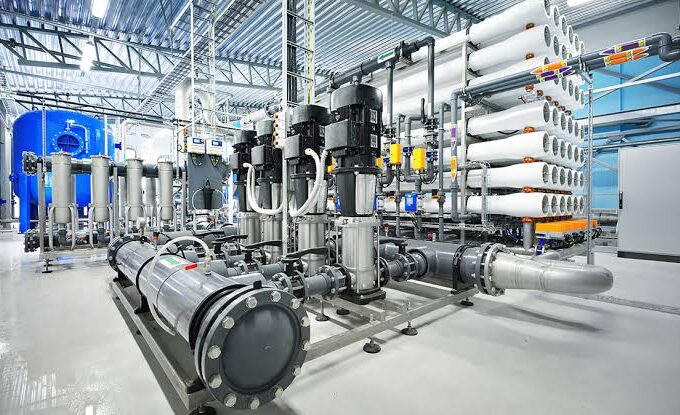
Among the most popular water systems are conventional water softeners, whole-house filtration units, activated carbon filters, and reverse osmosis drinking water systems.
Each performs a different function. Water softeners reduce excessive hardness, while sediment filters capture suspended particles. Activated carbon can help address certain unwanted tastes and odors, and reverse osmosis can reduce various dissolved substances.
Some households benefit from combining these technologies. Others might need only one treatment method.
The key is understanding what each system actually does rather than assuming that more filtration stages automatically mean better water.
What Can a Water Quality Report Tell You?
Before spending money on treatment equipment, it’s worth finding out what information is already available about your water supply.
Searching for a free water quality report by address may help you locate information about your municipal water provider, reported contaminants, and general water quality conditions in your area.
These reports can provide a useful starting point, but they don’t necessarily reflect what happens inside your property’s plumbing.
For example, older pipes and fixtures may influence water quality between the distribution network and your kitchen faucet. Private well owners generally need separate testing to understand their specific groundwater conditions.
Combining available reports with appropriate household water testing can provide a much clearer picture of your treatment needs.
Making Everyday Household Chores Less Frustrating
Nobody enjoys spending their Saturday afternoon scrubbing mineral deposits from the shower screen. It’s even more annoying when those same deposits return a few days later.
When excessive hardness is the underlying issue, conventional water softening can help reduce future scale formation.
Softer water may also improve soap performance, making certain cleaning tasks more manageable. Laundry detergent requirements can change, and glassware may develop fewer mineral spots.
These improvements aren’t always dramatic, but they can make a meaningful difference over time.
Think about all the little maintenance tasks you perform throughout the week. Reducing even a few of those frustrations can make your home feel easier to manage.
Enjoying Better Drinking Water Without the Inconvenience
For some families, purchasing bottled water has become an automatic part of grocery shopping. Unfortunately, carrying heavy packages home and finding somewhere to store them isn’t particularly convenient.
An appropriately selected drinking water filtration system can provide treated water directly from the kitchen faucet.
Under-sink systems are especially appealing because they keep most equipment hidden away. Depending on the technology selected, they may help reduce specific contaminants and objectionable flavors.
There’s also the convenience of filling reusable bottles before work or preparing dinner without opening another plastic container.
Water plays a surprisingly important role in the taste of homemade meals, coffee, and tea. Improving its quality may make these everyday pleasures even more enjoyable.
Looking Beyond the Initial Purchase Price
Water treatment equipment represents a long-term household investment. The purchase price is only one part of the financial picture.
Replacement cartridges, servicing, salt replenishment, and water consumption can contribute to ongoing ownership expenses.
Before making a decision, consider installation requirements, warranty coverage, replacement component availability, and recommended maintenance intervals.
Look for independently verified treatment capabilities that match your water test results.
A reasonably priced system that performs reliably and is easy to maintain may offer greater long-term value than expensive equipment packed with unnecessary features.
A Thoughtful Approach to Better Household Water
Improving your water supply doesn’t have to become an overwhelming home improvement project. Begin with reliable information, identify your priorities, and choose treatment equipment that addresses your actual concerns.
Remember that pleasant-tasting or clear-looking water isn’t automatically safe to drink. Appropriate testing and consistent equipment maintenance remain important.
Ultimately, better water is about more than filtration technology. It’s about enjoying a refreshing drink after a long day, preparing meals for your family, and spending less time dealing with avoidable household frustrations.
Sometimes, the improvements that make the biggest difference to everyday life are the ones working quietly behind the scenes.