Most people don’t wake up thinking about their water. They turn on the tap, fill a glass, start the shower, run the washing machine, and move on with the day. Water is just there, doing its job quietly in the background. But when something is off, you notice it fast.
Maybe the shower leaves your skin feeling dry. Maybe your dishes come out with cloudy spots. Maybe the water has a faint smell or taste that makes you hesitate before drinking it. These small everyday annoyances can seem normal after a while, but they often point to a bigger issue: the quality of water moving through your home.
Why Home Water Quality Deserves More Attention
Water affects almost everything inside a house. It touches your plumbing, appliances, laundry, cooking, cleaning, and personal comfort. So when the water contains too many minerals, chlorine, sediment, or other unwanted elements, the effects don’t stay in one place.
Hard water is one of the most common issues. It can leave buildup around faucets, showerheads, sinks, and glass doors. Over time, that same mineral buildup can also collect inside pipes and appliances. You may not see it happening, but it can slowly reduce efficiency and make equipment work harder than it should.
For families dealing with these issues, soft water can make daily life feel noticeably easier. Soap lathers better, clothes may feel smoother, and bathrooms are often simpler to keep clean. It’s not a flashy upgrade, but it’s the kind you appreciate every single day.
The Taste and Safety Side of Water
Then there’s drinking water. This is where people tend to become more careful, and rightly so. Nobody wants to wonder whether the water they’re giving their kids, using for coffee, or cooking pasta with is as fresh and clean as it should be.
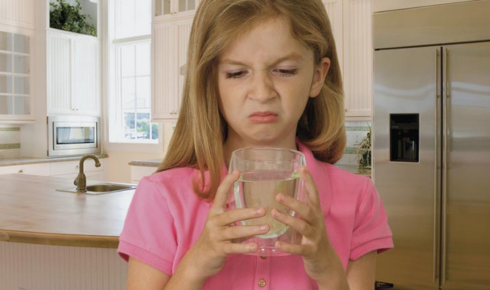
Water can pick up different tastes and smells depending on the source and treatment process. Chlorine, minerals, old pipes, or sediment can all affect the final glass you pour from the tap. Sometimes the water is technically acceptable, but still not pleasant to drink. And honestly, that matters too.
Having access to clean drinking water at home gives you a little peace of mind. It can reduce the need for bottled water, improve the taste of meals and drinks, and make hydration feel less like a chore. A good filtration setup can turn tap water into something you actually want to drink.
One Tap Is Not the Whole Story
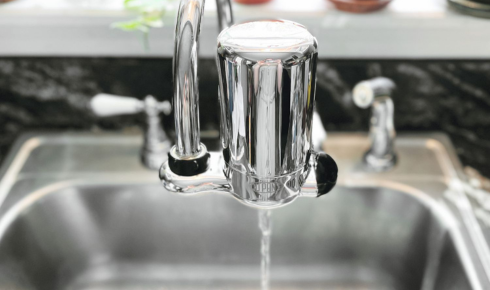
A small filter on the kitchen tap can help, but it may not solve everything. The water in your shower, laundry room, bathrooms, and appliances still matters. That’s where a broader approach can make sense.
With whole home treatment, water is improved before it travels through the rest of the house. This means the benefits are not limited to one sink or one pitcher in the fridge. Your showers, washing machine, dishwasher, water heater, and plumbing can all benefit from better-quality water.
This kind of system is especially useful in homes where multiple water concerns show up at once. Maybe there is hardness, chlorine taste, sediment, or staining. Instead of treating each problem separately in a patchy way, a whole-home solution helps create a more consistent experience from every tap.
Choosing the Right System for Your Needs
The best water treatment system depends on what is actually in your water. Guessing can lead to the wrong equipment, wasted money, or disappointing results. A water test is usually the smartest first step.
Once you know what you’re dealing with, it becomes much easier to choose the right system. Some homes need a softener. Some need carbon filtration. Others may need sediment filters, reverse osmosis for drinking water, or a combination of solutions.
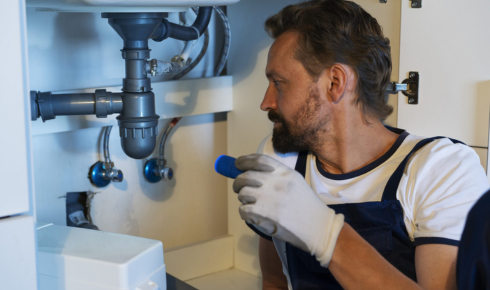
A professional assessment can also help match the system to household size, water usage, plumbing setup, and long-term maintenance needs. Bigger is not always better. The right fit matters more than simply buying the most expensive option.
The Hidden Savings Over Time
Better water can feel like a comfort upgrade, but it can also protect your home. Appliances that deal with cleaner, treated water often perform more efficiently. Water heaters may deal with less scale. Dishwashers may clean better. Washing machines may need less detergent.
And then there’s the cleaning time. Less spotting, less buildup, less scrubbing around taps and shower glass. That might not sound huge, but anyone who has fought hard water stains on a Saturday morning knows it’s not exactly fun.
A Home Feels Better When the Water Is Right
Water quality isn’t always dramatic. It’s not like repainting a room or installing new cabinets. You may not see the system every day. But you feel the difference in small, repeated ways.
A better shower. A cleaner glass. Softer laundry. Fewer stains. Better-tasting coffee. Less worry about what’s coming from the tap.
That’s what makes water treatment worth thinking about. It improves the parts of home life that are easy to overlook but used constantly. And once the right system is in place, you may wonder why you waited so long to care about something so basic, and so important.