Have you ever washed a perfectly clean glass, only to find cloudy white spots covering it once it dries? Or perhaps you’ve noticed that your freshly washed towels feel surprisingly rough, despite using a good laundry detergent.
These small frustrations are often connected to something homeowners don’t think about nearly enough—the quality of their household water.
Water influences almost every part of daily life, from morning coffee and evening showers to cooking, cleaning, and maintaining expensive household appliances. When its quality isn’t quite right, the effects gradually become noticeable.
For families across Northeast Illinois, understanding what’s in their water and exploring suitable treatment options can make everyday routines a little easier and more enjoyable.
Understanding Your Household Water Quality
Not every home receives water with the same characteristics. Some households depend on municipal water supplies, while others rely on private wells. Mineral concentrations, taste, odor, and other water characteristics can vary depending on the source and local conditions.
Homeowners exploring water treatment & water softeners in northeast illinois should begin by understanding their specific water quality rather than immediately purchasing equipment.
A professional water assessment can help identify hardness levels, iron concentrations, pH, and other relevant characteristics. Additional laboratory testing may be necessary when health-related contaminants are suspected.
Knowing what actually needs improvement makes choosing a treatment system considerably easier. Otherwise, you could spend money on equipment that doesn’t address your household’s real concerns.
Why Hard Water Can Be Such a Household Nuisance
Hard water contains dissolved minerals, primarily calcium and magnesium. Although these minerals don’t generally make water unsafe to drink, they can create plenty of practical frustrations around the house.
The effects of hard water and mineral buildup often become apparent through chalky deposits around faucets, cloudy shower doors, stiff laundry, and reduced soap lather.
Take your bathroom, for example. You might spend Saturday morning scrubbing mineral deposits from the shower fixtures, only to notice them returning a few days later.
Mineral deposits may also accumulate inside water heaters, dishwashers, and other appliances that regularly use heated water.
Over time, this accumulation can affect equipment performance and increase maintenance requirements. Addressing excessive water hardness may help reduce these everyday inconveniences while making household cleaning more manageable.
How Water Softeners Make a Practical Difference
Traditional water softeners typically use an ion exchange process to reduce calcium and magnesium concentrations. These hardness minerals are exchanged for sodium or, in compatible systems, potassium ions.
The resulting softened water can improve soap lather, reduce mineral deposits, and make cleaning certain household surfaces easier.
Some homeowners notice that their skin feels different after showering, while others appreciate spending less time removing stubborn white residue from bathroom fixtures.
However, a water softener isn’t designed to remove every possible contaminant. Its primary responsibility is reducing hardness.
That’s an important distinction, especially when homeowners are considering treatment for both household cleaning and drinking purposes.
Looking Beyond Hardness When It Comes to Drinking Water
A glass of water can look perfectly clear and still contain substances that affect its quality. Similarly, an unusual taste or odor doesn’t automatically mean water is unsafe.
Addressing drinking water concerns begins with identifying the specific issue rather than relying entirely on appearance, smell, or taste.
Municipal water customers can review their supplier’s annual water quality report. Private well owners should arrange appropriate laboratory testing to evaluate potential contaminants.
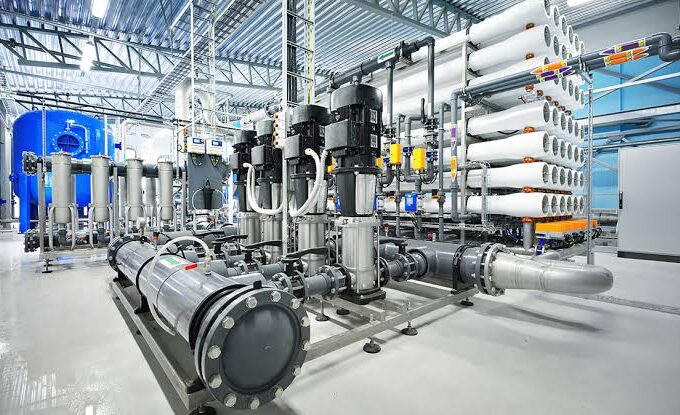
Depending on the findings, activated carbon filtration may help reduce certain taste and odor issues, while reverse osmosis systems can reduce various dissolved contaminants when appropriately selected and maintained.
The important thing is choosing equipment with verified performance for the substances you actually need to address.
Choosing Between Whole-House and Point-of-Use Treatment
Water treatment doesn’t necessarily require one large system that handles everything.
Whole-house equipment treats water entering the property, making it useful for concerns that affect plumbing fixtures, laundry, bathing, and appliances.
Point-of-use systems, such as under-sink drinking water filters, typically treat water at a specific location.
Some households benefit from combining both approaches. A water softener might address hardness throughout the house, while a separate kitchen filtration system improves drinking and cooking water.
Think about how your family uses water throughout the day. Your priorities may be quite different from those of your neighbors, even if you live on the same street.
Don’t Forget About Ongoing Maintenance
Installing water treatment equipment is only the beginning. Regular maintenance helps ensure that systems continue performing as intended.
Water softeners generally require periodic salt replenishment and occasional servicing. Filtration systems need replacement cartridges or membranes according to manufacturer recommendations and water conditions.
Ignoring maintenance can reduce treatment effectiveness and create unnecessary expenses later.
Before purchasing equipment, ask about ongoing costs, replacement schedules, warranty coverage, and local servicing options. A reliable system should fit comfortably into your household routine and budget.
Making Better Water Part of Everyday Life
Improving your household water quality doesn’t have to involve complicated equipment or unnecessary spending. Start with appropriate testing, understand your priorities, and choose treatment solutions that address genuine needs.
For Northeast Illinois homeowners, the benefits can extend beyond cleaner fixtures and fewer mineral deposits. Suitable treatment can make ordinary household activities more convenient while helping manage specific water quality issues.
Water is something we use almost without thinking, from that first cup of coffee to the last load of dishes at night. Giving its quality a little more attention might be one of the most practical improvements you make to your home.