Water has a way of becoming part of the background. We use it to make tea, wash vegetables, clean the kitchen, and get ready for work without giving it much thought. Then one morning, you notice a chalky ring around the faucet. The shower glass looks cloudy again, or the water has developed a taste you can’t quite explain. Suddenly, something you rarely think about becomes a small but persistent frustration.
These changes don’t automatically mean your water is unsafe. They do, however, give you a reason to investigate. The trick is understanding what’s happening before spending money on equipment that may not solve the problem.
Start With the Signs You Notice at Home
Water quality concerns often show up in ordinary places. White deposits around taps and showerheads may indicate hard water, which contains elevated levels of calcium and magnesium. Orange or reddish stains can sometimes be associated with iron, while sediment may appear as particles in a glass or collect around plumbing fixtures.
Taste and odor can offer clues, too, although they aren’t reliable ways to identify every substance in water. A strong chlorine taste may affect drinking-water enjoyment, for example, but clear water with no noticeable smell can still contain substances that require specific testing.
Take a little time to observe the pattern. Does the issue affect every faucet or just one? Is it worse after water has been sitting in the pipes? Have you noticed a change following plumbing work or a change in your local supply? These details can help narrow down the possible causes.
It’s also worth remembering that a plumbing problem can sometimes look like a water-quality problem. A corroded fitting or an aging water heater may affect the water at a particular tap. In those cases, installing a filter without investigating the plumbing may not address the real issue.
Why Testing Is a Sensible First Step
Guesswork can become expensive, especially when several treatment products promise similar results. A water test provides a more useful starting point by identifying the characteristics that need attention.
Depending on your water source and concerns, testing may examine hardness, pH, iron, manganese, dissolved solids, bacteria, or particular contaminants. Municipal water customers can begin with their supplier’s published quality report, while private well owners should follow local recommendations for routine testing.
A free water test offered by a local provider can be a convenient way to begin exploring water quality. Before arranging one, ask what the test includes, whether samples are analyzed in a laboratory, and whether you’ll receive written results. Some introductory checks focus mainly on hardness or dissolved solids. They may be helpful, but they don’t establish that water is free from every contaminant.
If you’re concerned about lead, bacteria, nitrates, or another health-related issue, choose a test designed to measure that substance. A certified laboratory may be appropriate, depending on the concern. Follow the sampling instructions carefully, because the way a sample is collected can affect the findings.
Once you have the results, ask someone qualified to explain them in plain language. You should understand what was measured, whether the findings require action, and which treatment options are suitable.
Choosing a Provider Who Explains the Details
After testing, many homeowners find themselves comparing equipment, installation prices, and service plans. It’s easy to feel overwhelmed. One provider may recommend a whole-house filter, another may suggest reverse osmosis, and a third may focus on a water softener.
A reliable provider should explain why a particular option is being recommended. Ask which issue the equipment addresses, what it is designed to reduce, and what it cannot do. The explanation should relate directly to your water results rather than rely on broad promises.
When researching water treatment companies in Burton, look beyond the advertised price. Consider the company’s experience with the type of water problem you’re facing, the clarity of its estimates, the availability of replacement parts, and the support offered after installation. Ask whether the quoted price includes labor, plumbing modifications, and any necessary follow-up service.
It’s perfectly reasonable to request more than one estimate. Comparing proposals can reveal differences in equipment specifications, warranty coverage, and maintenance costs. Just make sure you’re comparing similar services rather than choosing based on the lowest number alone.
A good conversation should leave you better informed, not pressured to sign an agreement immediately. If a recommendation doesn’t make sense, ask for clarification or take time to get another opinion.
Understanding the Treatment Options
Different technologies solve different problems, so the right choice depends on what testing reveals.
Sediment filters capture suspended particles such as sand or rust when designed for those materials. Activated carbon can reduce certain tastes, odors, and selected compounds. Water softeners address hardness minerals, helping reduce scale formation around fixtures and appliances.
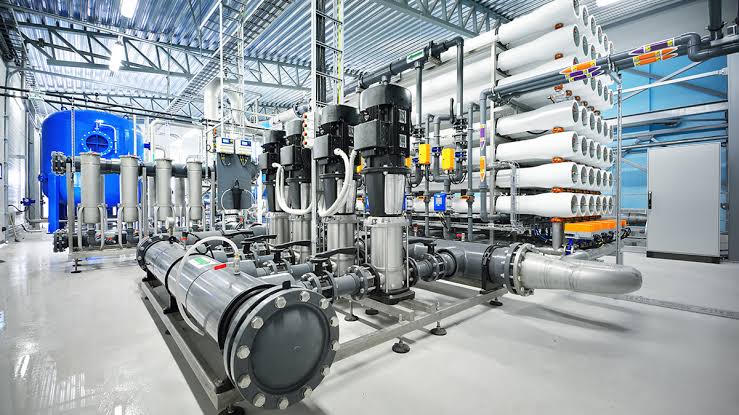
Reverse osmosis systems use a semipermeable membrane to reduce many dissolved substances in drinking water. Their performance varies by model and contaminant, and they generally require periodic filter and membrane replacement. These systems also produce wastewater during operation, which is worth considering when comparing long-term costs.
For microbiological concerns, an appropriately selected disinfection system may be necessary. A standard taste-improving filter should not be treated as a substitute for disinfection when testing identifies a bacterial problem.
The main lesson is that water treatment systems aren’t interchangeable. A softener won’t automatically remove every contaminant, and a sediment filter won’t necessarily improve every taste or odor. Equipment should be selected according to documented performance for the substances you actually need to address.
Consider the Cost Beyond Installation
The purchase price is only one part of owning treatment equipment. Filters need replacing, softeners may require salt, and some systems use electricity or produce wastewater. Professional servicing can also add to the overall cost.
Before committing, ask how often maintenance is required and how much replacement supplies typically cost. Check whether cartridges are easy to obtain and whether routine tasks can be completed safely at home. A system that’s difficult to maintain may become frustrating, even if it seemed like a good deal initially.
Think about your household’s daily water use, too. A system designed for a small household may not provide the flow rate needed by a larger family using several bathrooms at once. Installation space, drainage, and access for servicing all deserve attention before equipment is fitted.
Keep Water Quality on Your Household Checklist
Installing a treatment system doesn’t mean the job is finished. Follow the manufacturer’s maintenance schedule, record filter changes, and pay attention to any return of staining, scale, unusual taste, or odor.
If your water source changes or you notice a sudden difference, investigate rather than assuming the equipment is the cause. Private well owners should follow local testing guidance, especially after flooding or well repairs. If you suspect contamination, use appropriate testing and follow advice from your water authority or local health department.
Make a Decision You Feel Good About
Good water care starts with clear information. Notice the symptoms, test for the concerns that matter, and compare options based on their actual performance and long-term requirements.
You don’t need the most complicated system available. You need one that suits your water, your household, and your budget—and a provider who can explain the decision without making it feel like a sales pitch.
With a thoughtful approach and regular maintenance, managing your home’s water becomes less about guesswork and more about making practical choices that support everyday comfort.