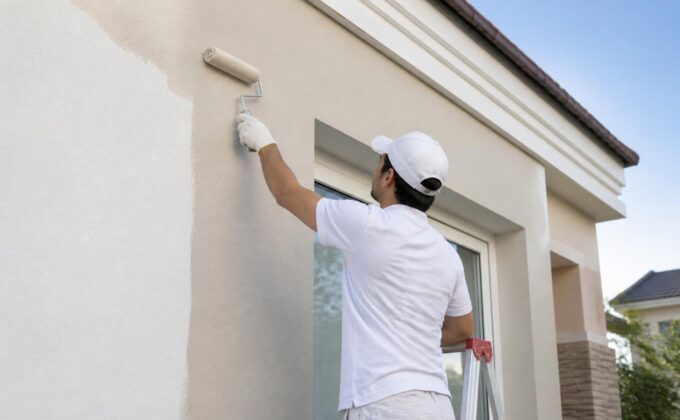
A house can look perfectly fine from the street and still have a few problems waiting to be discovered. Maybe the paint is beginning to peel near the corners, rainwater spills over the gutters during a downpour, or a draft sneaks into the living room whenever the wind picks up. These issues might seem minor at first, but over time, they can affect comfort, energy use, and the condition of the building itself.
Taking care of your home’s exterior is about more than making it look attractive. It’s also about protecting the structure, preventing moisture damage, and choosing materials that can handle the weather in your area. The good news is that you don’t have to renovate everything at once. By understanding which improvements matter most, you can plan sensible upgrades that deliver lasting value.
Start With a Clear Picture of Your Home’s Condition
Before choosing new materials or contacting contractors, spend a little time looking closely at the outside of your house. Walk around the property and check for loose panels, peeling paint, cracked sealant, clogged drainage channels, and visible gaps around windows and doors.
Look at the lower sections of exterior walls, too. Water stains, soft wood, bubbling paint, or persistent damp patches may indicate that moisture is getting into places it shouldn’t. If you notice a problem in the same area repeatedly, try to identify its cause rather than simply covering up the visible damage.
It’s helpful to take photographs as you go. You can compare them several months later to see whether a crack has widened, paint has deteriorated further, or a drainage issue has become more obvious. Small changes are easier to recognize when you have something to compare them with.
Once you understand the condition of the property, separate urgent repairs from improvements that can wait. Active leaks, structural concerns, and damaged materials that allow water inside deserve attention before purely decorative projects.
Give Exterior Walls Better Protection
Exterior walls face sunlight, wind, rain, temperature changes, and everyday wear. Over time, even durable materials can fade, crack, or become less effective at keeping moisture out. The right exterior finish can improve the appearance of a house while helping protect the materials beneath it.
Professional siding installation can be a worthwhile option when existing siding is badly damaged, repeatedly requires repairs, or no longer suits the home’s needs. Available materials include vinyl, fiber cement, engineered wood, and natural wood, each with different costs, maintenance requirements, and performance characteristics.
Vinyl siding is often chosen for its relatively simple maintenance, while fiber cement can offer durability and a range of finishes. Wood has a distinctive appearance but usually needs more regular attention to protect it from moisture and deterioration. The best choice depends on your climate, budget, architectural style, and willingness to maintain the material.
Before replacing siding, make sure the underlying wall is in suitable condition. Installing new panels over hidden moisture damage can leave the real problem untouched. A contractor should inspect vulnerable areas and explain whether repairs to the sheathing, flashing, or moisture-control layers are needed.
Proper installation matters just as much as the product itself. Panels need room for the movement specified by the manufacturer, and openings around windows and doors must be detailed correctly. A neat appearance is important, but the wall’s ability to manage moisture is what helps it perform over the long term.
Make Sure Rainwater Has Somewhere to Go
Few things are more frustrating than watching rain pour over the edge of a gutter when it’s supposed to be carrying water safely away from the house. Poor drainage can leave stains on siding, damage landscaping, erode soil, and contribute to moisture problems around the foundation.
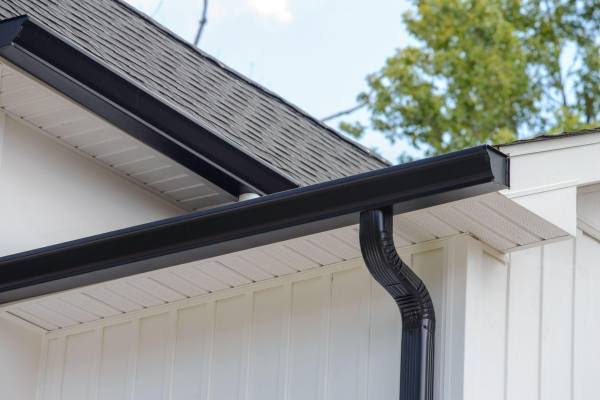
A well-planned gutter installation can help manage roof runoff and direct it toward appropriate drainage areas. The right system depends on the size and layout of the roof, the expected rainfall, and the number and placement of downspouts.
Gutter materials vary, too. Aluminum is a common choice because it is relatively lightweight and resistant to rust. Steel can provide strength but may require attention to corrosion, while copper offers a distinctive appearance at a higher price. There isn’t one material that suits every home, so consider both the initial cost and long-term maintenance.
Sizing and placement are important. Gutters that are too small for the roof area may overflow during heavy rain, while poorly positioned downspouts can send water straight toward the foundation. The system should be designed to handle the conditions it will actually face, not just look tidy along the roofline.
Maintenance remains necessary after installation. Leaves, twigs, roof granules, and other debris can restrict water flow. Check the system periodically, especially after storms and during seasons when nearby trees shed heavily. Gutter guards may reduce debris buildup, but they don’t eliminate inspections or cleaning altogether.
If water repeatedly collects beside the house, look beyond the gutters themselves. Downspout extensions, ground grading, and other drainage measures may be needed to keep runoff moving away from the building.
Improve Comfort With Better Windows
Windows influence how a home feels throughout the year. They bring in daylight, provide views of the outdoors, and help connect indoor spaces with the surrounding environment. But older or poorly fitted windows can also allow drafts, unwanted heat, and moisture to enter.
Professional window installation can improve comfort when existing units are damaged, difficult to operate, or no longer provide suitable insulation. However, replacement isn’t always the only answer. Sometimes, worn weatherstripping, damaged hardware, or deteriorated sealant can be repaired without changing the entire window.
If you do need new windows, consider the frame material, glazing, ventilation needs, and energy performance. Double- or triple-glazed units may help reduce heat transfer, depending on their specifications and the climate. Low-emissivity coatings and suitable frame designs can offer additional benefits, but product performance depends on the complete window assembly.
Installation quality is critical. Even a high-quality window can perform poorly if gaps around the frame are not properly sealed or if water-management details are overlooked. The opening must be measured accurately, and the installation should follow the manufacturer’s instructions.
Pay attention to condensation as well. Moisture on the inside glass may be related to indoor humidity and cold surfaces, while condensation trapped between glazing panes can indicate a failed seal in an insulated unit. Understanding the difference helps you choose the right solution.
Plan Improvements Around Your Budget
Exterior work can quickly become expensive if several projects begin at once. A more practical approach is to create a priority list based on condition, safety, and potential long-term costs.
For example, repairing a leaking section of siding or correcting drainage near the foundation may deserve attention before replacing windows that still work well. Once urgent problems are addressed, you can plan upgrades that improve appearance, energy performance, or resale appeal.
When comparing contractor estimates, look beyond the total price. Check which materials are included, how the work will be completed, whether old materials will be removed, and what cleanup is covered. Ask about warranties, expected timelines, and any permits that may be required.
It’s also worth asking how much maintenance each option will need. A cheaper material may cost more over time if it requires frequent painting or repairs. Thinking about lifetime costs can help you avoid making a decision based on the initial price alone.
Choose Professionals Who Explain Their Work
A reliable contractor should be willing to answer questions without making the process feel intimidating. Ask about relevant experience, insurance, references, and the specific steps involved in the project. Request a written estimate and make sure you understand how unexpected damage will be handled.
Be cautious of anyone who insists that you must sign immediately or offers vague explanations about the work. A professional should explain the problem, describe the available options, and help you understand the advantages and limitations of each approach.
Good communication is especially important when multiple exterior projects overlap. Coordinating siding, windows, and drainage work can help ensure that flashing, trim, and water-management details fit together properly.
Build a Home That Holds Up Over Time
Exterior improvements don’t need to happen all at once to make a meaningful difference. Start by understanding your home’s condition, correcting problems that threaten its protection, and choosing upgrades that suit your needs and budget.
Well-installed siding, reliable gutters, and properly fitted windows can contribute to a more comfortable and durable home. Regular inspections and basic maintenance help preserve those improvements, too.
Ultimately, the best project isn’t necessarily the most expensive or dramatic one. It’s the improvement that solves a real problem, works well with the rest of the house, and continues to deliver value long after the contractor has packed up and left.