Let’s be honest for a second—how often do you think about the water coming out of your tap? Probably only when something’s off. Maybe it smells metallic, tastes funny, or leaves those annoying white spots on your dishes. And if you’re running a business—especially one that relies on water—you might’ve faced far bigger headaches. But what if I told you that most water issues aren’t just annoying… they’re avoidable?
Welcome to the often overlooked world of water treatment. It’s not glamorous, but it’s quietly one of the most important things you can get right—whether you’re a homeowner, a facility manager, or somewhere in between.
The Truth About “Clean” Water
The thing about water is that even when it looks crystal clear, it can be hiding a whole mess of invisible intruders. Think lead, chlorine, bacteria, pesticides, nitrates—each with its own set of consequences. Some are mildly irritating, like dry skin or cloudy laundry. Others? Much more serious.
For years, we assumed that if water comes from a tap, it’s been tested, filtered, treated, and certified safe. That’s true… to a degree. But standards vary widely depending on where you live, and even top-tier municipal systems can’t account for what happens once water enters your building’s plumbing. Old pipes, corroded fittings, neglected maintenance—all of these can contaminate otherwise decent water before it reaches your glass.
That’s why more homeowners and business owners are turning to customized water treatment plans. But before you can treat the water, you need to know what you’re dealing with.
It Starts with a Free Water Analysis
Think of a free water analysis as your detective tool. Before throwing money at filters, softeners, or UV lights, wouldn’t you rather know what’s actually in your water?
Most reputable companies will test your water at no cost. They’re not doing this out of charity—it’s a smart lead-in to potential business—but that doesn’t mean it’s not valuable. These tests usually check for hardness (that chalky buildup), pH levels, chlorine, iron, and bacteria. Some even go deeper if you request it.
Even if you’re a DIY type who likes to rely on over-the-counter test kits, getting a professional opinion can save you from chasing problems that don’t exist—or worse, missing ones that do.
Business Owners, Take Note: Your Water Matters More Than You Think
If you run a business that uses water in any part of your operation—restaurants, laundromats, hotels, spas, breweries, manufacturing plants—you can’t afford to overlook this stuff.
Dirty water doesn’t just leave bad impressions; it can literally tank your reputation. Customers may not tell you, but they’ll tell everyone else if their glass of water tasted like a swimming pool. Or if their clothes came out smelling weird. Or if they got sick after that spa treatment.
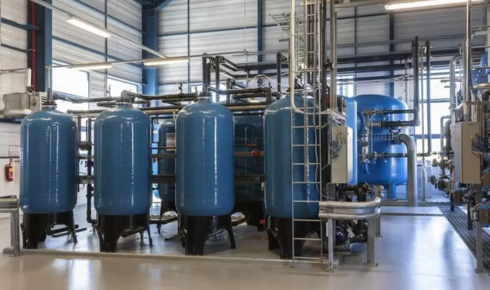
Installing a tailored commercial water treatment system isn’t just good hygiene—it’s good business. These setups can be scaled to match your daily output and address the exact contaminants found in your supply. Plus, they reduce equipment wear-and-tear, lower maintenance costs, and increase efficiency. You spend less on repairs, waste fewer resources, and keep your brand in the green—both financially and environmentally.
The Unsung Hero of Home Health
Now, let’s bring it back home.
We clean our houses, scrub our produce, bathe our kids—and yet the very water we use in those moments might be filled with things we’d never knowingly expose ourselves to. Think about that.
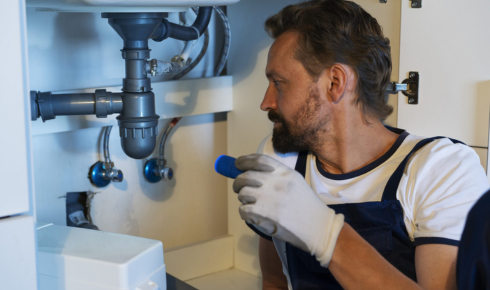
Residential water treatment isn’t just for well owners or people in rural areas. Even city dwellers can benefit from filtering out chlorine, lead, and microplastics. And no, we’re not talking about a flimsy faucet attachment or a jug with a filter that hasn’t been replaced in six months. We’re talking whole-home systems that protect every tap, shower, and appliance.
The good news? There are residential water solutions for virtually every home type and budget. From under-sink reverse osmosis systems to high-capacity carbon filters and softeners that eliminate limescale buildup—options abound. You don’t need to go full Breaking Bad in your basement lab to get cleaner water. You just need the right setup… for your specific needs.
The Real Cost of Doing Nothing
It’s easy to ignore water issues when they’re not screaming at you. But over time, untreated water can damage pipes, appliances, your skin, your health, and—yep—your wallet. That fridge filter you forgot to change? It’s probably not doing much. And that “weird” taste? Might be a red flag, not a quirk.
In businesses, the cost multiplies. Bad water equals more machine maintenance, customer complaints, regulatory issues, and operational disruptions.
But here’s the thing: once you fix your water, you rarely look back. You feel the difference—in your skin, your hair, your coffee, your peace of mind. And most of the time, it’s not even as expensive as you feared. Like, really not. Especially compared to the alternative.
A Word on Sustainability
There’s a sustainability side to all this, too. Better water treatment means less bottled water, fewer chemicals dumped into drains, and more efficient use of appliances and heating systems. That’s a win for your wallet and the planet.
Plus, modern systems are getting smarter. You can now monitor your water quality via smartphone apps, get alerts when filters need changing, and even optimize usage based on real-time analytics. It’s not just about clean water anymore—it’s about smart, responsible water use.
So… What’s In Your Water?
Look, we’re not saying you need to panic. But we are saying that if you haven’t thought about your water lately, now’s a pretty good time to start.
Book a test. Ask questions. Look at the data. Compare systems. Whether you’re running a five-star resort or just want your morning shower to not feel like an experiment, clean water is worth the investment.
Water touches every part of our lives—quietly, constantly, and often without much appreciation. But once you take control of it, you start noticing all the ways it affects everything else.
And suddenly, water doesn’t just flow through your pipes.
It starts to flow through your priorities, too.