


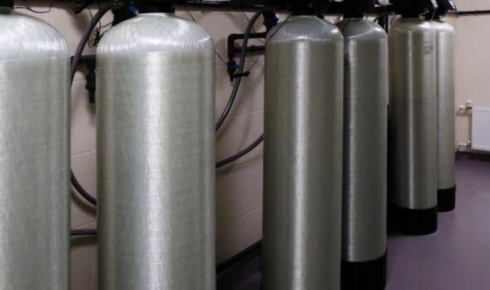
Let’s be honest: most of us don’t think twice before filling a glass from the tap. We assume the water’s clean, treated, and safe. But if you’ve ever questioned why your laundry feels stiff, your dishes emerge with spots, or your skin feels tight after a shower — well, it might not be you. It might be your water.
And in a place like Austin, where limestone-rich soil feeds hard minerals into our water supply, that assumption of “clean and pure” could use a little scrutiny.
The Real Deal With Tap Water in Austin
Austin is known for its progressive spirit, live music, and food trucks. But beneath all the culture, the water tells a different story. This isn’t to say it’s unsafe — Austin’s municipal water meets federal standards — but it does carry a cocktail of minerals like calcium and magnesium that make up what we call “hard water.”
Hard water isn’t necessarily dangerous. But it is problematic.
Ever had white spots on your faucets? Or soap that refuses to lather no matter how much you scrub? That’s the hard water calling card. And if you’ve ever had to replace a hot water heater sooner than expected, it might be because it was working overtime to fight mineral buildup.
This is where water treatment austin tx becomes more than just a local search term — it becomes a necessity.
The High Cost of Doing Nothing
Here’s what most people don’t realize: untreated hard water isn’t just an inconvenience, it’s a silent money drain. Over time, those minerals form scale inside your pipes, water heaters, and appliances. That means reduced efficiency, shorter lifespans, and higher utility bills.
Then there’s the personal toll. People with sensitive skin often report flare-ups of eczema or dry patches after prolonged exposure to hard water. Even your hair can start to feel lifeless and heavy after repeated washes with mineral-laden water.
If you’re rinsing and still not feeling clean, don’t blame your shampoo. Blame your water.
Why Water Softeners Are Making a Comeback
In the 80s and 90s, water softeners were everywhere. Then came the eco-wave — and suddenly salt-based softening systems were deemed wasteful. But technology has evolved. Today’s water softeners are smarter, more efficient, and designed to work with modern plumbing and environmental concerns.
More importantly, they work. These systems swap out hard minerals with sodium or potassium ions, which don’t cause buildup or that stiff, soapy feeling. Clothes get cleaner, showers feel softer, and appliances breathe a sigh of relief.
Not all systems are created equal, though — and navigating the sea of brands and models is where people often hit a wall.
Enter the american water softener — a name that’s quietly built a reputation for reliability.
What Makes “American” Systems Different?
Let’s cut through the buzzwords. When we talk about American-built water softeners or filtration systems, we’re not just talking about patriotism — we’re talking about quality control, accessibility of parts, and customer service that doesn’t operate on another time zone.
Brands like American Water (and others in the same league) have refined their systems for the quirks of U.S. municipalities. That means they understand that water in Austin is vastly different from what you’d get in, say, Seattle or Boston.
But more than that — these companies have created modular, upgradable systems that let you scale your treatment setup depending on your needs. Small condo? There’s a solution. Full-sized family home with three teenagers? Yep, covered.
So if you’ve been looking into water systems and keep circling back to american water system as a keyword, it’s probably for good reason. The tech is proven, the support is real, and it’s designed to adapt to your lifestyle.
It’s Not Just About Softening: Think Holistic Water Treatment
Here’s where people get it wrong: softeners don’t filter your water. They remove minerals, not contaminants. If your concern includes things like chlorine, lead, or PFAS (those “forever chemicals” you’ve probably read about), then you’re talking about filtration — a whole different ballgame.
Many homeowners are now combining water softeners with carbon-based filtration systems or even reverse osmosis (RO) setups for drinking water. This multi-tiered approach ensures that your water is not just soft, but also clean and safe from harmful chemicals.
Some setups also include UV filtration to kill bacteria and viruses — especially helpful for homes on well water.
What It’s Like to Actually Live With a Treated System
Let’s move past the technicals for a second.
Imagine stepping out of the shower and your skin doesn’t feel like parchment paper. Or washing your favorite T-shirt and having it come out soft and vibrant, even after 20 cycles. That morning glass of water? It tastes clean, like it should.
That’s not a pipe dream (pun intended). That’s the real-world impact of treating your water.
Plus, if you’re environmentally conscious, many modern systems are designed to minimize waste water and operate only when needed. That means you’re not just helping your household — you’re doing your bit for the planet too.
Final Thoughts: Your Water Deserves Attention
We spend thousands on kitchens, bathrooms, landscaping — but barely think about the water flowing through it all. It’s the lifeblood of your home, your body, and your daily routine. Shouldn’t it be the best it can be?
Treating your water isn’t just for the wealthy or the picky. It’s for anyone who values longevity, comfort, and quality of life. And in a place like Austin, where the minerals love to make themselves known, it’s a decision that truly pays for itself.
Whether you’re dealing with hard water headaches or just want to feel confident in what you drink, cook with, and bathe in — take the time to explore your options.
The right system is out there. And when you find it, you’ll wonder why you waited so long.

