


Most businesses plan for growth. They map out expansion, staffing, production targets. What they don’t usually plan for—at least not emotionally—is a spill, a leak, or an unexpected contamination event.
And yet, accidents happen.
A ruptured fuel tank in a parking lot. A chemical spill inside a warehouse. Floodwater pushing contaminants into unexpected places. In those moments, it’s not just about cleanup. It’s about safety, compliance, and protecting the people who work there—and the community around it.
That’s where professional remediation services step in. Not as a luxury, not as an afterthought, but as a critical line of defense when something goes sideways.
The First Few Hours Matter Most
When an environmental incident occurs, the clock starts ticking. Contaminants spread quickly. Water carries residues into drains. Vapors can accumulate in enclosed spaces.
This is where structured emergency response becomes essential. Trained teams know how to contain the situation before it escalates. They assess risk, isolate affected areas, and prevent secondary damage.
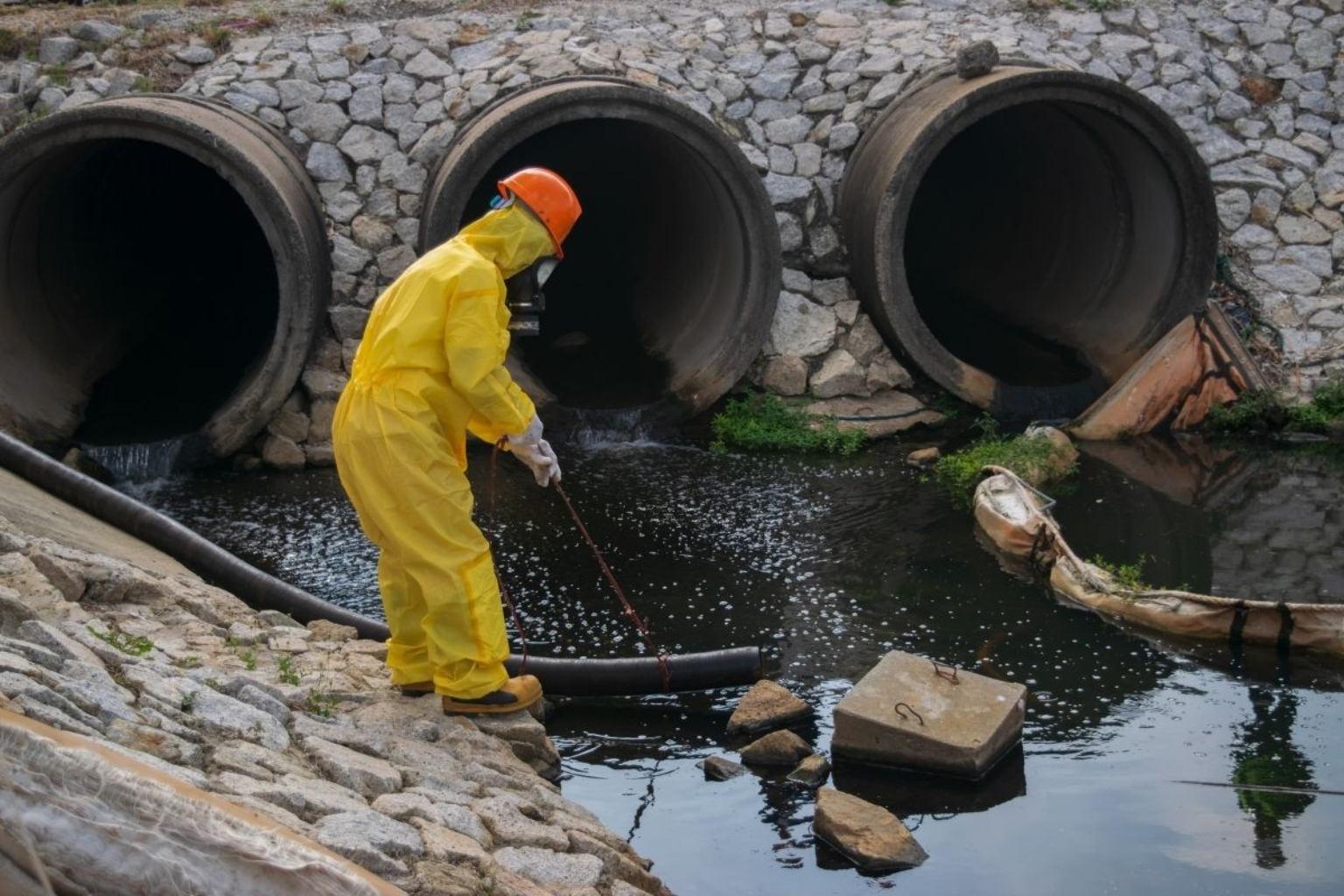
It’s not chaos—it’s choreography. Specialists arrive with equipment, protective gear, and a plan. Their first job is stabilization. Stop the spread. Protect people. Document what happened.
That early intervention often determines how complicated—and expensive—the recovery process becomes.
It’s Not Just About Cleaning
To the untrained eye, a spill might look like something that can be wiped up and forgotten. But environmental contamination isn’t always visible.
Soil can absorb fuel. Concrete can trap chemicals. HVAC systems can circulate airborne particles long after the initial event.
Professional remediation isn’t surface-level cleaning. It involves testing, sampling, and verifying that contamination has been fully addressed. In some cases, sections of flooring or drywall may need removal. In others, soil excavation or water treatment may be necessary.
Skipping these steps can lead to long-term liabilities.
And those liabilities have a way of resurfacing when you least expect them—during inspections, property sales, or regulatory audits.
The Challenge of Handling Risk
Industrial facilities, laboratories, and manufacturing plants frequently work with substances that require careful oversight. Improper storage or accidental release of hazardous materials can pose serious health and environmental risks.
Remediation teams are trained to handle these substances safely. They understand containment protocols, disposal regulations, and decontamination procedures. They don’t guess—they follow structured guidelines designed to protect workers and the surrounding environment.
For businesses, this expertise provides reassurance. It ensures that compliance isn’t compromised and that safety standards are upheld even under pressure.
Compliance and Documentation
Environmental incidents don’t exist in a vacuum. Regulatory agencies often require detailed reporting. Documentation of cleanup efforts, disposal records, and verification testing may all be necessary.
Professional remediation providers understand these requirements. They maintain accurate records, coordinate with environmental consultants, and ensure that the proper steps are taken to meet local and federal guidelines.
This paperwork might not feel urgent in the moment—but it becomes invaluable later.
Compliance isn’t just about avoiding fines. It’s about maintaining credibility.
The Emotional Impact
There’s also a human side to these events.
Employees want to feel safe at work. Neighbors want to know that contamination isn’t spreading beyond facility boundaries. Customers expect businesses to act responsibly.
Transparent, professional remediation builds trust. It shows that the situation is being handled thoughtfully, not swept under the rug.
That trust, once lost, is difficult to rebuild.
Planning Before It Happens
While no one enjoys thinking about worst-case scenarios, preparation makes a difference.
Many businesses develop contingency plans outlining procedures for spills or contamination events. They identify response teams in advance, maintain contact lists, and conduct periodic training.
Proactive planning reduces panic. When something does go wrong, the focus shifts from “What do we do?” to “Let’s execute the plan.”
That shift is powerful.
The Long-Term Perspective
Environmental cleanup can be costly. There’s no denying that. But the cost of ignoring contamination—or handling it improperly—can be far greater.
Property devaluation, legal claims, regulatory penalties, and damaged reputation all carry significant financial weight.
Investing in professional remediation when needed often minimizes these long-term consequences.
It’s not just about today’s cleanup bill. It’s about tomorrow’s stability.
Sustainability and Responsibility
In today’s world, environmental accountability is part of corporate identity. Customers and partners increasingly evaluate companies based on their environmental practices.
Responding responsibly to contamination reinforces a company’s commitment to sustainability and safety.
It’s not about perfection—accidents happen. It’s about response.
Final Thoughts
Environmental incidents are rarely convenient. They disrupt operations, create stress, and demand immediate attention.
But they also present a choice: respond quickly and professionally, or risk compounding the problem.
Professional remediation services bring structure to chaotic moments. They protect people, property, and compliance status. They turn potential disasters into manageable events.
In the end, it’s not about avoiding every accident—that’s unrealistic. It’s about ensuring that when something goes wrong, it’s handled responsibly, thoroughly, and transparently.
Because how a business responds in those moments says more about it than anything else.

