


There’s a strange kind of trust we place in our tap water. We assume it’s fine because it’s always been there—reliable, invisible, part of the routine. Fill a glass, take a sip, move on. No questions asked.
But every now and then, something feels a bit off. A faint taste, maybe. Or that slight hesitation before pouring water straight from the tap into your mouth. It’s not fear exactly—more like curiosity that quietly lingers.
And that curiosity, more often than not, leads to better choices.
The Everyday Reality of Tap Water
Water doesn’t arrive in your home in its purest form. It’s treated, processed, transported—sometimes over long distances. Along the way, it picks up things and leaves others behind.
Most municipal systems do a decent job of making water safe. That’s the goal, after all. But “safe” doesn’t always mean ideal for daily consumption.
There can be chlorine used for disinfection, trace sediments from aging pipes, or minerals that affect taste and feel. You might not notice these things right away, but over time, they start to show themselves in subtle ways.
This is where drinking water filtration becomes less of an upgrade and more of a thoughtful adjustment. It’s not about fixing something broken—it’s about improving something you use every single day.
When Taste Tells a Story
Taste is usually the first thing people notice. Water that’s slightly metallic, or carries a hint of chlorine, doesn’t exactly invite you to drink more of it.
And let’s be honest—if water doesn’t taste good, we tend to avoid it. We reach for packaged drinks, juices, or anything that feels more appealing.
But once your water tastes clean—really clean—you start to notice a shift. You drink more without thinking about it. Hydration becomes natural instead of forced.
It’s one of those small changes that quietly improves your daily habits.
A Simple Step That Makes a Difference
Not every solution needs to be complex. Sometimes, the easiest fix is also the most effective.
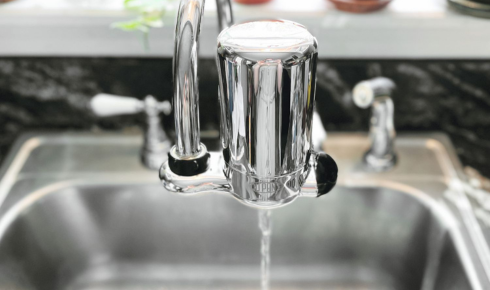
A faucet water filter is one of those options that doesn’t demand much—no major installation, no complicated setup. You attach it, turn it on, and it starts working right away.
For many households, that’s enough to make a noticeable difference. Better taste, fewer impurities, more confidence in what you’re drinking.
It’s not about going all-in immediately. It’s about starting somewhere.
Beyond Taste: What You Can’t See
Here’s where things get a bit more serious—but not in an alarming way.
Not everything in water affects taste or smell. Some contaminants are invisible, undetectable without proper testing. And while they may exist in small, regulated amounts, it still makes sense to be aware of them.
The idea isn’t to overthink or worry—it’s to understand.
That’s why people often explore broader potable water solutions, especially when they want a more comprehensive approach. These systems are designed to ensure that water isn’t just drinkable, but consistently clean and reliable.
It’s a shift from passive use to active awareness.
How Better Water Changes Daily Life
Improving your water quality doesn’t feel dramatic. There’s no big moment where everything suddenly changes.
Instead, it shows up in little ways.
Your morning tea tastes smoother. Your cooking feels more precise because flavors aren’t being altered by impurities. Even washing fruits and vegetables feels more reassuring.
And then there’s the psychological side of it—the peace of mind. Knowing that what you’re drinking is cleaner, more refined, more intentional.
It’s a quiet kind of comfort.
Choosing What Feels Right
There’s no single path when it comes to water filtration. Some people prefer simple solutions. Others go for more advanced systems. It really depends on what you’re looking for—and what your water needs.
If your water has a noticeable taste issue, a basic filter might be enough. If you’re dealing with multiple concerns, a more comprehensive setup could make sense.
The important thing is not to rush into it. Take a moment to understand your water. Maybe even get it tested if you’re unsure.
Once you have that clarity, the next steps tend to feel more natural.
Why We Don’t Think About It Sooner
Water is one of those things we take for granted because it’s always available. It doesn’t demand attention like a broken appliance or a leaking pipe.
But that’s exactly why it’s worth thinking about.
It’s part of your routine in ways you don’t even realize. You drink it, cook with it, clean with it. It’s there, quietly supporting everything else.
And when something so fundamental improves, the ripple effects are surprisingly wide.
A Small Shift with Lasting Benefits
If there’s one thing to take away from all this, it’s that better water doesn’t have to be complicated.
You don’t need to overhaul your entire system overnight. Even small steps—like adding a filter or paying attention to taste—can make a meaningful difference.
Over time, those small steps build into something bigger. Better habits. Better health. Better comfort in your own home.
And maybe that’s the real value here—not just cleaner water, but a more thoughtful way of living.
Because sometimes, the simplest changes are the ones that stay with you the longest.

