Home Blog Page 2

When Small Fixes Make a Big Difference: The Quiet Value of Everyday Repairs

0

There’s a moment most of us recognize, even if we don’t talk about it much. You notice something small—a loose handle, a flickering light, a door that doesn’t quite shut—and you tell yourself you’ll fix it later. Not urgent, not serious. Just… one of those things.

But then those “one of those things” start to stack up.

And before you know it, your space—home or workplace—feels slightly off. Nothing major, just a collection of tiny annoyances that quietly pull at your attention.

That’s where repairs come in. Not dramatic renovations, not full transformations. Just thoughtful fixes that bring things back to how they’re supposed to be.


Why Small Problems Don’t Stay Small for Long

It’s easy to ignore minor issues. A dripping tap, a cracked tile, a cabinet that doesn’t close properly—they don’t demand immediate attention.

But here’s the thing: small problems have a habit of growing.

A minor leak can turn into water damage. A loose fixture can lead to more serious structural wear. And even when nothing escalates, those small imperfections affect how your space feels day to day.

This is especially true when it comes to residential repairs. Your home is where you unwind, where things should feel easy. When something’s off—even slightly—it creates a kind of background discomfort.

Fixing those issues isn’t just about maintenance. It’s about restoring that sense of ease.


The Different Demands of Business Spaces

Now shift that same idea into a commercial setting, and the stakes change a bit.

In a business environment, small issues don’t just affect comfort—they can impact perception. A loose fixture in a retail store, a malfunctioning light in an office, or worn-out fittings in a waiting area can quietly shape how customers and clients see your space.

That’s why commercial repairs carry a different kind of urgency.

It’s not just about keeping things functional. It’s about maintaining an environment that reflects professionalism. A space that feels cared for, organized, and reliable.

Because whether we realize it or not, people notice these details. And they draw conclusions from them.


The Value of Getting It Done Right the First Time

There’s always the temptation to handle repairs quickly. Maybe a temporary fix, maybe a DIY solution that “works for now.”

And sometimes, that’s enough.

But other times, those quick fixes don’t hold up. The problem comes back, sometimes worse than before, and you end up spending more time and money than you would have if it had been done properly from the start.

That’s where reliable handyman solutions come into the picture.

It’s not just about fixing something—it’s about fixing it in a way that lasts. Understanding the root of the issue, using the right materials, and taking the time to do it properly.

There’s a kind of quiet confidence that comes with knowing a repair won’t need to be revisited anytime soon.


Why We Keep Putting Repairs Off

Let’s be honest—most of us delay repairs longer than we should.

It’s not always about cost or effort. Sometimes, it’s just the mental load of deciding what needs to be done and when.

You notice the issue, make a mental note, and then life moves on. Work, family, other priorities—they take over.

And those small repairs stay in the background, quietly waiting.

The tricky part is that they don’t go away. They just become part of the environment, something you get used to even if it’s not ideal.

Taking action—even on one or two items—can shift that dynamic. It clears space, both physically and mentally.


Choosing the Right Approach Matters More Than You Think

Not all repair work is the same. Some people focus on speed, getting through tasks as quickly as possible. Others take a more careful approach, paying attention to details that might not be immediately visible.

The difference shows up over time.

A well-done repair blends into your space. It doesn’t draw attention, doesn’t need constant checking or adjustment. It just works.

And that’s really the goal—not perfection, but reliability.

When choosing help, it’s worth looking beyond just availability or cost. Experience, attention to detail, and a willingness to understand your needs all play a role.

Because in the long run, the quality of the work matters more than how quickly it was completed.


The Subtle Impact of a Well-Maintained Space

There’s something interesting that happens when repairs are taken care of.

You stop noticing what was wrong.

The door closes smoothly, the light works consistently, the space feels… complete. It’s not a dramatic change, but it’s noticeable in how comfortable and functional everything becomes.

In a home, that means fewer distractions and a more relaxed environment. In a business, it means a space that supports productivity and leaves a better impression.

These are quiet improvements, but they add up.


A Final Thought: It’s About More Than Fixing Things

At its core, repair work isn’t just about addressing problems. It’s about maintaining the spaces we rely on every day.

It’s about making sure your home feels like a place you want to be. That your business reflects the care and attention you put into your work.

And sometimes, the smallest fixes make the biggest difference.

Not because they transform everything overnight, but because they restore balance—one detail at a time.

So the next time you notice something that’s just a little off, don’t brush it aside. It might be a small thing, but taking care of it can change how your entire space feels.

And that’s worth more than it seems at first glance.

The Subtle Shift Toward Cleaner Water: Why More Homes Are Rethinking What’s in Their Glass

0

It usually starts small.

Maybe the tap water tastes a little metallic one week. Maybe your kettle builds up that chalky white film again—faster than it should. Or maybe you just read something about contaminants in municipal supplies and it lingers in the back of your mind longer than you expected.

For most of us, water isn’t something we think deeply about. It’s just there. Reliable. Routine. You twist the handle, and it flows. But lately, there’s been a quiet shift. People are paying closer attention—not out of paranoia, but practicality.

And once you start noticing your water, it’s hard to un-notice it.

When “Safe” Doesn’t Always Feel Reassuring

Municipal water in many areas meets safety standards. That’s important. But safety standards and personal comfort aren’t always the same thing.

Chlorine is commonly used to disinfect water. It does its job well, but it can leave behind a taste and smell that some people just don’t love. In older neighborhoods, aging pipes may introduce trace metals. Rural properties using well water can face sediment, nitrates, or agricultural runoff.

None of this necessarily means your water is dangerous. But it does mean there’s room for improvement—especially if taste, odor, or long-term health considerations matter to you.

That’s where conversations about water quality become more personal than technical. It’s not just about meeting guidelines. It’s about how your water feels, smells, and tastes in daily life.

Because you don’t just drink it. You cook with it. Your kids drink it. You brush your teeth with it. It’s woven into your routine in ways you barely notice.

A Closer Look at Modern Filtration Options

Walk into any home improvement store and you’ll see shelves of filters—pitchers, faucet attachments, under-sink cartridges. They’re helpful, sure. But they vary widely in what they actually remove.

Over time, many homeowners begin looking at more comprehensive systems. That’s when reverse osmosis systems enter the conversation.

Unlike basic carbon filters that primarily reduce chlorine and improve taste, reverse osmosis (RO) works by pushing water through a semi-permeable membrane. That membrane blocks many dissolved solids, heavy metals, and other impurities at a microscopic level.

The result is water that’s noticeably cleaner—sometimes almost surprisingly so. First-time users often comment on how “crisp” it tastes. Coffee changes. Tea tastes brighter. Even ice cubes seem clearer.

Of course, RO systems aren’t perfect. They can produce wastewater during filtration, and they require periodic membrane replacement. But for many families, the trade-off feels worth it.

It’s less about chasing perfection and more about reducing what you’d rather not ingest.

Drinking Water Isn’t Just a Beverage

We tend to treat water as a simple thirst-quencher. But if you think about it, hydration plays a huge role in how we feel. Energy levels, digestion, skin health—all of it ties back to what we’re putting into our bodies every single day.

That’s why drinking water purification has become such a significant topic in home improvement discussions. It’s not flashy like remodeling a kitchen. It won’t get compliments from guests. But it affects you quietly, consistently.

Parents, especially, often say the same thing: they just want peace of mind. They want to know that when their child fills a cup from the sink, it’s as clean as reasonably possible.

It’s not about fear. It’s about responsibility.

The Economics of Cleaner Water

There’s also the cost angle—something people don’t always talk about.

Buying bottled water adds up fast. A case here, a refill there. Multiply that by months, then years. And then there’s the plastic waste, which many families are trying to reduce.

Installing a home purification system—whether under-sink RO or a more comprehensive filtration setup—can feel like a bigger upfront expense. But long-term, it often balances out. You stop hauling cases from the store. You refill reusable bottles. You trust what’s already flowing through your home.

It’s a shift in mindset as much as infrastructure.

Not Every Home Needs the Same Solution

One of the biggest misconceptions is that there’s a universal “best” system. There isn’t.

Urban apartment dwellers may only need chlorine and sediment reduction. Homes with well water might require iron filters, UV purification, or multiple stages of treatment. Hard water areas might pair filtration with softening systems for better overall results.

Testing your water is the logical first step. It removes guesswork. Once you understand what’s present—minerals, chemicals, particulates—you can choose solutions that actually make sense.

There’s something empowering about that. Instead of reacting blindly, you’re making an informed decision.

The Everyday Difference

The real payoff isn’t dramatic. You won’t wake up one morning and feel like a new person because your filtration system was installed.

It’s subtler than that.

You might notice you’re drinking more water because it tastes better. You might stop buying bottled water without even thinking about it. Guests might comment—“This tastes really good”—and you’ll smile quietly.

Over time, those small moments stack up.

Water is foundational. It’s not glamorous. It doesn’t trend on social media. But it touches nearly every part of daily life.

And maybe that’s why more people are taking a second look at what flows from their taps. Not because they’re chasing some idealized version of purity—but because they want reliability. Consistency. Trust.

Clean water, at its core, is about confidence. Confidence in what you’re consuming. Confidence in the systems you’ve put in place at home.

It’s a quiet upgrade. But sometimes, the quiet upgrades are the ones that matter most.

Getting Serious About Whole Home Water Quality Without Turning It Into a Science Project

0

Most of us don’t think about water until something feels off. A chalky film on the shower door. A faint metallic taste in the kitchen sink. Laundry that never quite feels soft, no matter how much detergent you use. It’s rarely dramatic. Just small annoyances that add up.

And then one day, you start wondering if your water could be better.

That’s usually where the conversation about whole home water quality begins—not with panic, but with curiosity. You want water that works with your home, not against it. Water that doesn’t quietly wear down appliances or leave you second-guessing every glass you pour.

The Hidden Impact of Everyday Water

Water touches almost every part of daily life. You cook with it. Bathe in it. Wash dishes and clothes with it. Even your heating system may rely on it.

If it’s overly hard, you’ll see scale buildup around faucets and inside kettles. If it contains excess iron, you might notice rust-colored staining in sinks. If chlorine levels are high, your skin can feel dry after showers.

None of these issues necessarily mean your water is unsafe. But they do mean it’s interacting with your home in ways that might not be ideal.

That’s why addressing water quality isn’t just about drinking water. It’s about everything.

Hard Water: The Common Culprit

In many regions, hard water problems is the main offender. High levels of calcium and magnesium cause that familiar white buildup on fixtures and reduce soap efficiency.

This is where water softeners often enter the picture. They don’t filter out contaminants in the traditional sense. Instead, they exchange hardness minerals for sodium or potassium, reducing scale formation.

The difference can be subtle but meaningful. Softer-feeling skin. Towels that actually feel fluffy again. Appliances that don’t struggle under layers of mineral deposits.

It’s not glamorous, but it works.

Filtration vs. Conditioning

One of the biggest misunderstandings homeowners face is confusing filtration with conditioning.

Filtration systems remove particles or dissolved substances. Conditioning systems, like softeners, change the chemical composition to prevent scaling.

In many homes, a combination approach makes the most sense: softening for the entire house and targeted filtration at the kitchen sink.

But that decision should come after testing. Guessing leads to overspending—or worse, solving the wrong problem.

The Value of Professional Guidance

Let’s be honest. The water treatment industry can feel overwhelming. Technical jargon. Competing claims. Sales pitches promising miracle results.

This is where working with certified professionals becomes valuable. Not because you can’t research on your own, but because trained technicians can interpret test results accurately and recommend solutions based on evidence rather than fear.

A reputable professional won’t push unnecessary upgrades. They’ll explain what your water report actually means and outline realistic options.

That clarity is worth a lot.

Maintenance Is Part of the Commitment

Installing a system is only half the story. Filters clog. Resin beds need occasional servicing. Salt levels must be monitored.

Ignoring maintenance doesn’t just reduce performance—it can create a false sense of security.

The good news is that modern systems are built for practicality. Maintenance schedules are predictable. Replacement parts are readily available.

Think of it like changing the oil in your car. Routine attention keeps things running smoothly.

Cost vs. Long-Term Benefits

It’s easy to hesitate when you see the price tag on whole-house systems. But consider the long-term picture.

Scale buildup shortens the lifespan of water heaters. Hard water reduces energy efficiency. Bottled water purchases add up. Plumbing repairs from corrosion aren’t cheap.

Improving water quality can protect your investment in your home.

And beyond finances, there’s comfort.

When you trust your water, daily routines feel simpler.

The Emotional Side of Clean Water

There’s something grounding about turning on a faucet and knowing you’ve addressed potential issues. You don’t think twice before filling a pot for pasta. You don’t notice your skin feeling tight after a shower.

It’s not about perfection. It’s about peace of mind.

Water is so woven into daily life that improving it often improves everything else just a little bit.

Avoiding Overcomplication

The biggest mistake homeowners make is chasing every possible upgrade at once.

You don’t need the most advanced system on the market. You need the one that fits your water profile.

Start with testing. Identify real concerns. Work with professionals who explain rather than pressure.

Then choose a solution that aligns with your priorities.

Final Thoughts

Water quality isn’t a luxury topic. It’s practical. It’s personal. And it’s manageable.

If your water has been quietly causing inconvenience—whether through scale, staining, or taste—it might be time to take a closer look.

Addressing whole-home water concerns doesn’t require turning your house into a laboratory. It requires information, thoughtful decisions, and consistent maintenance.

And once it’s handled, you’ll likely notice something simple but satisfying: your water just works.

No fuss. No second-guessing. Just clean, reliable water supporting the rhythm of everyday life.

Making Sense of Your Home’s Water: From Hardness to Pure Drinking Water

0

You don’t usually think about water until it gives you a reason to. Maybe it’s the cloudy residue on your glassware. Maybe it’s the faint smell when you turn on the tap first thing in the morning. Or maybe it’s the quiet frustration of buying bottled water week after week because something about your tap just doesn’t sit right.

Water is one of those essentials we assume is fine—until it isn’t. And when questions start creeping in, they tend to snowball. Is it safe? Why does it taste off? Why are my appliances scaling up so quickly?

The good news is this: most household water concerns have practical, manageable solutions. You don’t need to panic. You just need to understand what you’re dealing with.


When Minerals Start Taking Over

Let’s start with one of the most common complaints: scale buildup. If your faucets collect white crusty deposits, your showerhead sprays unevenly, or your dishwasher leaves spots on everything, you’re probably dealing with hard water problems.

Hard water contains higher levels of calcium and magnesium. It’s not dangerous to drink, but it can be surprisingly destructive over time. Those minerals settle in pipes, reduce water heater efficiency, and shorten the lifespan of appliances.

It also changes how water feels. Soap doesn’t lather properly. Skin can feel dry or tight after showering. Laundry may come out stiff rather than soft.

Many homeowners address this issue with a water softener, which removes excess minerals before they travel through your plumbing system. It’s not glamorous. But it’s effective.

And once you’ve lived with softened water for a while, going back feels… noticeable.


Taste and Odor: The Subtle Red Flags

Not all water concerns are visible. Sometimes the issue is taste. Or smell. Chlorine is commonly used in municipal treatment systems to disinfect water. While it’s essential for safety, it can leave behind a flavor that some people simply don’t enjoy.

Sediment and trace impurities can also alter water clarity and texture. Even if everything meets regulatory standards, you may still prefer something cleaner and more neutral.

That’s where drinking water solutions come into play. Under-sink filters, countertop systems, and whole-house filtration setups offer different levels of treatment depending on your needs.

Activated carbon filters, for example, are excellent at improving taste and reducing chlorine. They’re relatively affordable and easy to maintain. For many households, that’s enough.

But for others, especially those concerned about dissolved solids or specific contaminants, a more advanced option may make sense.


When You Want Maximum Purity

If you’ve ever researched water treatment in depth, you’ve likely come across reverse osmosis systems. These systems use a semipermeable membrane to remove a broad range of dissolved impurities from water.

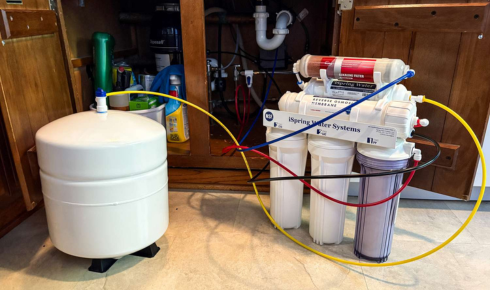
Reverse osmosis (RO) units are typically installed under the kitchen sink and provide highly purified water from a separate tap. They’re particularly effective at reducing contaminants like lead, nitrates, and certain dissolved salts.

The result is water that tastes remarkably clean—almost neutral. For households relying heavily on tap water for drinking and cooking, that difference can feel significant.

Of course, RO systems require maintenance. Filters need periodic replacement. But the tradeoff for many homeowners is peace of mind.


Choosing the Right Approach for Your Home

Not every house needs every solution. That’s an important point.

If your main concern is scale buildup, addressing hardness may solve most of your frustrations. If taste and odor bother you, a filtration system could be sufficient. In some cases, combining treatments makes sense—softening the water for household use while installing a dedicated purification system for drinking water.

The smartest first step? A water test.

Testing provides clarity. It tells you what’s actually in your water—and at what levels. From there, decisions become logical rather than reactive.

It’s a bit like getting lab results before choosing medication. You treat what’s present, not what you fear might be there.


The Long-Term Impact on Your Home

Improving water quality isn’t just about what comes out of the faucet. It affects appliances, plumbing, and daily routines.

Softened water can extend the life of water heaters and washing machines. Filtered water can reduce reliance on bottled alternatives. Even small improvements can translate into lower maintenance costs over time.

There’s also something intangible about turning on a tap and trusting what flows out.

That quiet confidence adds up.


Maintenance Isn’t a Burden—It’s Part of the Plan

Every system requires some upkeep. Softener salt must be replenished. Filters must be changed. But these tasks are usually simple and predictable.

Neglecting maintenance, on the other hand, reduces effectiveness. It’s a small commitment for long-term benefit.

Most homeowners find that once systems are installed, upkeep becomes routine rather than inconvenient.


A Final Thought on Something So Ordinary

Water is constant. It’s part of cooking, cleaning, showering, brushing teeth. It’s easy to take it for granted because it’s always there.

But when quality improves—even slightly—you notice in subtle ways. Fewer water spots. Better-tasting coffee. Softer towels. Less time scrubbing mineral buildup from fixtures.

Investing in the right water solution isn’t about luxury or fear. It’s about practicality and comfort.

Because when something touches nearly every part of your daily life, it deserves a little attention.

And sometimes, improving what feels ordinary ends up making everything else feel just a bit better.

When Home Appliances Act Up: What Every Homeowner Should Know About Timely Repairs

0

There’s something oddly humbling about a broken appliance. One minute you’re going about your day—loading laundry, grabbing a cold drink, tossing damp clothes into the dryer—and the next, you’re standing there staring at a blinking light or an unfamiliar noise.

It’s never convenient. And yet, it’s part of homeownership.

Over time, I’ve realized that appliance problems aren’t just mechanical hiccups. They’re stress multipliers. They interrupt routines, create messes, and quietly chip away at your patience. But the good news? Most issues are manageable—if you handle them the right way.


When the Fridge Stops Being Reliable

Few things cause panic quite like opening the refrigerator and realizing it’s not cold enough. You might brush it off at first. Maybe the door didn’t seal properly. Maybe it’s just working harder than usual.

But temperature fluctuations can signal deeper issues. Faulty thermostats, clogged condenser coils, or even compressor problems often start subtly.

That’s why timely refrigerator repair matters more than many homeowners realize. Waiting too long doesn’t just risk spoiled groceries—it can strain internal components further, making the eventual fix more expensive.

Regular maintenance, like cleaning coils and checking door seals, can prevent some breakdowns. But once cooling efficiency drops noticeably, it’s usually best to consult a professional.

Because when a fridge fails completely, the inconvenience multiplies quickly.


The Washing Machine Dilemma

Washing machines have a way of misbehaving at the worst possible times. Usually when you’re behind on laundry.

A washer that won’t drain or spin can seem like a minor annoyance—until you’re standing over a tub of soaked clothes wondering what now.

Modern machines rely on sensors and electronic boards, not just belts and pulleys. What appears to be a simple drainage issue could stem from a faulty pump or control system.

Professional washer repair isn’t just about restoring function. It’s about diagnosing the root cause. Sometimes it’s a clogged hose. Other times it’s a failing motor. Guessing rarely works in your favor.

And let’s not forget water damage. A leaking washer can quietly damage flooring long before you notice. Addressing problems early prevents bigger headaches down the line.


When Clothes Won’t Dry

There’s a particular frustration that comes from running a dryer cycle only to discover damp clothes still inside. You might restart it once. Maybe twice.

But persistent drying issues often indicate restricted airflow, worn heating elements, or sensor malfunctions.

Scheduling timely dryer repair can prevent more than inconvenience. Lint buildup in vents isn’t just inefficient—it can become a fire hazard. Routine vent cleaning and professional inspections make a noticeable difference.

Sometimes the fix is simple. Sometimes it requires part replacement. Either way, ignoring it rarely improves the situation.


Repair vs. Replace: The Honest Question

Homeowners often ask the same thing: is it worth fixing, or should I just replace it?

The answer depends on age, condition, and cost. If an appliance is nearing the end of its lifespan and repair costs approach half the price of a new unit, replacement might make sense.

But if the issue is isolated—a single failed component—repair can extend life significantly.

A reliable technician will provide realistic guidance. They won’t pressure you either way. Transparency builds trust, and trust is essential when you’re making a financial decision about your home.


Small Warning Signs Matter

Appliances rarely fail without warning. They make unusual noises. They run longer cycles. They leak slightly.

It’s easy to dismiss these early signs. After all, everything still works… sort of.

But addressing minor irregularities early often prevents larger breakdowns. A worn belt replaced promptly can save a motor. A clogged vent cleaned in time can protect heating elements.

Maintenance isn’t glamorous. But it’s effective.


The Value of Professional Expertise

There’s a reason appliance technicians train specifically for these systems. Modern appliances are complex. Control boards, smart features, electronic diagnostics—they require more than basic tools.

Professional repair isn’t just about fixing what’s broken. It’s about restoring efficiency and safety.

And sometimes, it’s about peace of mind.

Knowing that the problem was identified accurately and repaired properly removes that lingering doubt every time you press “start.”


Building Better Habits

While breakdowns can’t always be avoided, certain habits help.

Don’t overload washers. Clean refrigerator coils annually. Clear dryer vents regularly. Check hoses for wear. Simple steps extend appliance life and improve performance.

It’s not about perfection. It’s about awareness.

Appliances work hard every day. Giving them occasional attention pays off.


Final Thoughts

Appliance problems don’t have to feel overwhelming. They’re part of the rhythm of owning and maintaining a home.

When handled promptly and professionally, repairs restore more than functionality—they restore routine. That quiet hum of a properly working refrigerator. The steady spin of a washer cycle. The warm tumble of a dryer doing its job.

Sometimes, the most satisfying home improvement isn’t something new.

It’s simply getting what you already have working again.

When Things Go Wrong: Why Professional Environmental Cleanup Matters More Than You Think

0

Most businesses plan for growth. They map out expansion, staffing, production targets. What they don’t usually plan for—at least not emotionally—is a spill, a leak, or an unexpected contamination event.

And yet, accidents happen.

A ruptured fuel tank in a parking lot. A chemical spill inside a warehouse. Floodwater pushing contaminants into unexpected places. In those moments, it’s not just about cleanup. It’s about safety, compliance, and protecting the people who work there—and the community around it.

That’s where professional remediation services step in. Not as a luxury, not as an afterthought, but as a critical line of defense when something goes sideways.


The First Few Hours Matter Most

When an environmental incident occurs, the clock starts ticking. Contaminants spread quickly. Water carries residues into drains. Vapors can accumulate in enclosed spaces.

This is where structured emergency response becomes essential. Trained teams know how to contain the situation before it escalates. They assess risk, isolate affected areas, and prevent secondary damage.

It’s not chaos—it’s choreography. Specialists arrive with equipment, protective gear, and a plan. Their first job is stabilization. Stop the spread. Protect people. Document what happened.

That early intervention often determines how complicated—and expensive—the recovery process becomes.


It’s Not Just About Cleaning

To the untrained eye, a spill might look like something that can be wiped up and forgotten. But environmental contamination isn’t always visible.

Soil can absorb fuel. Concrete can trap chemicals. HVAC systems can circulate airborne particles long after the initial event.

Professional remediation isn’t surface-level cleaning. It involves testing, sampling, and verifying that contamination has been fully addressed. In some cases, sections of flooring or drywall may need removal. In others, soil excavation or water treatment may be necessary.

Skipping these steps can lead to long-term liabilities.

And those liabilities have a way of resurfacing when you least expect them—during inspections, property sales, or regulatory audits.


The Challenge of Handling Risk

Industrial facilities, laboratories, and manufacturing plants frequently work with substances that require careful oversight. Improper storage or accidental release of hazardous materials can pose serious health and environmental risks.

Remediation teams are trained to handle these substances safely. They understand containment protocols, disposal regulations, and decontamination procedures. They don’t guess—they follow structured guidelines designed to protect workers and the surrounding environment.

For businesses, this expertise provides reassurance. It ensures that compliance isn’t compromised and that safety standards are upheld even under pressure.


Compliance and Documentation

Environmental incidents don’t exist in a vacuum. Regulatory agencies often require detailed reporting. Documentation of cleanup efforts, disposal records, and verification testing may all be necessary.

Professional remediation providers understand these requirements. They maintain accurate records, coordinate with environmental consultants, and ensure that the proper steps are taken to meet local and federal guidelines.

This paperwork might not feel urgent in the moment—but it becomes invaluable later.

Compliance isn’t just about avoiding fines. It’s about maintaining credibility.


The Emotional Impact

There’s also a human side to these events.

Employees want to feel safe at work. Neighbors want to know that contamination isn’t spreading beyond facility boundaries. Customers expect businesses to act responsibly.

Transparent, professional remediation builds trust. It shows that the situation is being handled thoughtfully, not swept under the rug.

That trust, once lost, is difficult to rebuild.


Planning Before It Happens

While no one enjoys thinking about worst-case scenarios, preparation makes a difference.

Many businesses develop contingency plans outlining procedures for spills or contamination events. They identify response teams in advance, maintain contact lists, and conduct periodic training.

Proactive planning reduces panic. When something does go wrong, the focus shifts from “What do we do?” to “Let’s execute the plan.”

That shift is powerful.


The Long-Term Perspective

Environmental cleanup can be costly. There’s no denying that. But the cost of ignoring contamination—or handling it improperly—can be far greater.

Property devaluation, legal claims, regulatory penalties, and damaged reputation all carry significant financial weight.

Investing in professional remediation when needed often minimizes these long-term consequences.

It’s not just about today’s cleanup bill. It’s about tomorrow’s stability.


Sustainability and Responsibility

In today’s world, environmental accountability is part of corporate identity. Customers and partners increasingly evaluate companies based on their environmental practices.

Responding responsibly to contamination reinforces a company’s commitment to sustainability and safety.

It’s not about perfection—accidents happen. It’s about response.


Final Thoughts

Environmental incidents are rarely convenient. They disrupt operations, create stress, and demand immediate attention.

But they also present a choice: respond quickly and professionally, or risk compounding the problem.

Professional remediation services bring structure to chaotic moments. They protect people, property, and compliance status. They turn potential disasters into manageable events.

In the end, it’s not about avoiding every accident—that’s unrealistic. It’s about ensuring that when something goes wrong, it’s handled responsibly, thoroughly, and transparently.

Because how a business responds in those moments says more about it than anything else.

Breathing Easy, Drinking Safe: A Modern Tale of Home Wellness

0

It’s a strange little ritual, isn’t it? You wake up, stumble into the kitchen, pour yourself a glass of water from the tap—and pause. You wonder, just for a second, what’s really in that glass. Then you shrug it off. After all, it’s clear, right?

But “clear” doesn’t always mean “clean.” And breathing the same air day in, day out, without thinking about what’s floating in it? Most of us do it. Until allergies flare up. Until the sniffles linger. Until a friend casually mentions mold spores and suddenly you’re side-eyeing your HVAC system like it’s an enemy.

Welcome to the age where home wellness isn’t just about aesthetics or organization—it’s about the invisible stuff. The air we breathe. The water we drink. The quiet contaminants we can’t see, but sure as day feel.

When Filters Do More Than Catch Dust

There’s this understated hero in many homes: the humble water filtration system. Not flashy, not Instagram-worthy. But absolutely essential.

It’s kind of like that friend who doesn’t say much at parties but always shows up when it matters. Whether it’s removing chlorine, sediment, pesticides, or the mystery minerals that make your coffee taste off—filtration systems are doing the real work behind the scenes.

I had a conversation with a neighbour recently. She joked, “I installed mine because my dog stopped drinking tap water. If Rex won’t touch it, should I?” It was funny, but also—kind of genius? Sometimes pets are more tuned in than we are.

One bold decision for a better home? Install a smart, modern water filtration system. It’s peace of mind with every sip.

The Air You Didn’t Know You Were Breathing

Okay, now let’s talk about air. Not exactly the hottest topic at dinner, but maybe it should be.

We spend about 90% of our time indoors (thanks, remote work). That’s a lot of shared air, especially if you live with others, pets, or that vintage rug you refuse to part with.

Here’s the kicker: indoor air can actually be 2 to 5 times more polluted than outdoor air. Dust mites. Mold spores. VOCs from that “fresh linen” candle. It all adds up.

Enter air purification systems. Not the gimmicky plug-ins with blue lights and vague promises. I’m talking HEPA filters, carbon filters, UV light purifiers—the real stuff that makes a difference.

I installed a purifier last spring. Didn’t say anything to my partner. A week later she goes, “Why does it smell like…nothing in here?” That’s how you know it’s working.

Breathe a little deeper. Trust the silence. Air purification systems don’t just freshen; they protect.

You Deserve to Know What’s in Your Water

Now, here’s where things get interesting—and honestly, empowering.

You don’t need to blindly trust your water source anymore. There’s a straightforward, no-hassle way to uncover what’s really flowing through your pipes: free water testing.

Yup. Free. And shockingly detailed.

Many companies offer this service because they believe (rightly) that if you knew what was in your water—iron, hardness, chlorine, bacteria, who knows—you’d want to do something about it. And they’re right.

Think of it like a health checkup, but for your water supply. No judgement, just facts.

It’s one small step, really. But free water testing could change how you see every glass you pour.

Beyond the Basics: Wellness as a Lifestyle

The thing is, these aren’t just appliances or upgrades. They’re declarations. That your home matters. That your health matters. That you’re not waiting for problems to knock—you’re meeting them at the door, filter in hand.

It’s not about fear. It’s about taking control. Quietly. Confidently.

Because when the air smells crisper, the water tastes cleaner, and you know—know—you’ve got the facts on your side, there’s a kind of peace that settles in. Like lighting a candle, not for scent, but for ritual. Like organizing your space not to impress but to breathe easier in it.

A Few Last Words From One Homeowner to Another

If I could give you just one nudge today, it’s this: start somewhere.

Not everyone can invest in whole-house systems overnight. But you can start small. A countertop filter. A compact air purifier for the bedroom. Request that free test kit. Learn what you’re dealing with.

Your home is your space. Your breath, your water—your essentials. They deserve attention. Not anxiety. Just quiet care.

And hey—next time you pour a glass of water or sit back for a deep breath, imagine knowing it’s not just a routine. It’s a conscious choice.

That’s a little bit of power right there.

Rethinking Your Tap: The Everyday Perks of Smarter Drinking Water Systems

0

We don’t often think about the water we drink. It flows from the faucet with a twist of the wrist, fills our glasses, our kettles, our pets’ bowls — and we carry on with our day. But here’s the thing: not all tap water is created equal. Sometimes it’s hard. Sometimes it tastes a little… off. Sometimes it’s laced with stuff you can’t see but probably wouldn’t want to drink if you could.

And that’s where modern drinking water systems come in. Not just the clunky filters of yesterday, but sleek, efficient systems designed to quietly improve your health, your home, and your peace of mind — sip by sip.


When Water Looks Fine But Isn’t

The truth is, you probably won’t notice a problem with your water until it gets bad. Like, rust-colored stains in the tub or that unmistakable rotten egg smell. But water can be contaminated long before it shows visible signs. Things like chlorine, lead, nitrates, hard minerals — they can all sneak in without making a dramatic entrance.

What’s worse? Many of these can build up over time in your body or your appliances. It’s the slow wear and tear that makes your coffee taste weird, ruins your plumbing, and dries out your skin.

That’s why so many homeowners start with a free water test. It’s simple, fast, and often reveals surprises (the kind you’d rather know about now than later). From there, the solution becomes clear — and far easier to fix than you might think.


Clean Water, Clean Conscience

Once you know what’s in your water, choosing the right solution becomes less overwhelming. There are systems for every setup — under-the-sink purifiers, whole-home filtration, softeners, and combinations that handle both taste and safety in one go.

The beauty of today’s systems is how unobtrusive they are. They’re compact, efficient, and quiet. But their impact? That shows up everywhere — in the sparkle of your glassware, the flavor of your cooking, the softness of your laundry, and even the way your skin feels after a shower.

Installing one of these drinking water systems isn’t about being fancy. It’s about reclaiming something you should have had all along — water you can trust, no second-guessing required.


The Hidden Cost of Doing Nothing

Sure, you can keep drinking from the tap. You can keep buying bottled water. You can ignore the limescale building up in your kettle and the cloudy film on your shower doors. But over time, these things add up — in bills, in repairs, and in health.

Poor-quality water shortens the lifespan of your appliances. It eats away at pipes. It dries out your skin and hair. It stains your laundry. And it means your body is filtering things it shouldn’t have to. Honestly? That’s too much to ask of a cup of coffee or a hot bath.

Testing your water and treating it isn’t overkill — it’s a smart investment in your home’s longevity and your family’s well-being.


Say Goodbye to the Salt Haul

If you’ve already got a water softener, you know how amazing soft water feels. But there’s one part of the deal that’s kind of annoying: carrying those bulky 40-pound bags of salt through your garage, into your basement, and into the tank. Not exactly a relaxing Sunday chore.

That’s why salt delivery services are catching on fast. Imagine this: no lifting, no spilling, no forgetting. Just the right salt, at the right time, brought to your door or even poured in for you. It’s the kind of convenience that makes you wonder why you didn’t sign up earlier.

It’s also about consistency. When your softener always has what it needs, your water stays reliably soft. That means cleaner showers, happier skin, better-tasting water, and fewer plumbing headaches.


Not Just Healthier — Happier

Clean water doesn’t just make you healthier — it makes life smoother in subtle, everyday ways. Your coffee tastes fuller. Your tea is crisper. Your vegetables rinse clean, your ice cubes are clear, and your pets drink better, too. Your towels are softer, and you might even start enjoying doing the dishes (okay, maybe not that far).

There’s also something empowering about taking control of what flows through your taps. You don’t have to wonder what’s in your water — you know. And that kind of confidence is a quiet luxury most people don’t realize they’re missing until they experience it.


How to Get Started Without Overthinking It

Start with curiosity. Schedule a free water test and see what’s really coming out of your taps. It’s not a sales pitch — it’s a health check for your house.

From there, look at what kind of improvements make sense. Maybe it’s a small under-sink filter for drinking water. Maybe it’s a full-home system that filters, softens, and purifies. Or maybe it’s just offloading those salt refills so you don’t have to think about them again.

Whatever the choice, it’s about reclaiming control. Reclaiming clarity. Reclaiming that quiet peace that comes from knowing the most important thing you put into your body every day is actually clean.


Final Sips: More Than Just Water

Water is life — literally. But when you treat it like a luxury instead of an afterthought, everything shifts. It’s not just what you drink. It’s what you cook with, clean with, shower in, raise your kids on. And when it’s clean, soft, and safe — your whole world feels a little brighter.

So maybe this is the sign to stop settling for “good enough” water. Run the test. Explore your options. Upgrade your system. Let someone else haul the salt.

Is Your Water as Clean as You Think? A Practical Dive into Modern Water Treatment for Homes and Businesses

0

Let’s be honest for a second—how often do you think about the water coming out of your tap? Probably only when something’s off. Maybe it smells metallic, tastes funny, or leaves those annoying white spots on your dishes. And if you’re running a business—especially one that relies on water—you might’ve faced far bigger headaches. But what if I told you that most water issues aren’t just annoying… they’re avoidable?

Welcome to the often overlooked world of water treatment. It’s not glamorous, but it’s quietly one of the most important things you can get right—whether you’re a homeowner, a facility manager, or somewhere in between.


The Truth About “Clean” Water

The thing about water is that even when it looks crystal clear, it can be hiding a whole mess of invisible intruders. Think lead, chlorine, bacteria, pesticides, nitrates—each with its own set of consequences. Some are mildly irritating, like dry skin or cloudy laundry. Others? Much more serious.

For years, we assumed that if water comes from a tap, it’s been tested, filtered, treated, and certified safe. That’s true… to a degree. But standards vary widely depending on where you live, and even top-tier municipal systems can’t account for what happens once water enters your building’s plumbing. Old pipes, corroded fittings, neglected maintenance—all of these can contaminate otherwise decent water before it reaches your glass.

That’s why more homeowners and business owners are turning to customized water treatment plans. But before you can treat the water, you need to know what you’re dealing with.


It Starts with a Free Water Analysis

Think of a free water analysis as your detective tool. Before throwing money at filters, softeners, or UV lights, wouldn’t you rather know what’s actually in your water?

Most reputable companies will test your water at no cost. They’re not doing this out of charity—it’s a smart lead-in to potential business—but that doesn’t mean it’s not valuable. These tests usually check for hardness (that chalky buildup), pH levels, chlorine, iron, and bacteria. Some even go deeper if you request it.

Even if you’re a DIY type who likes to rely on over-the-counter test kits, getting a professional opinion can save you from chasing problems that don’t exist—or worse, missing ones that do.


Business Owners, Take Note: Your Water Matters More Than You Think

If you run a business that uses water in any part of your operation—restaurants, laundromats, hotels, spas, breweries, manufacturing plants—you can’t afford to overlook this stuff.

Dirty water doesn’t just leave bad impressions; it can literally tank your reputation. Customers may not tell you, but they’ll tell everyone else if their glass of water tasted like a swimming pool. Or if their clothes came out smelling weird. Or if they got sick after that spa treatment.

Installing a tailored commercial water treatment system isn’t just good hygiene—it’s good business. These setups can be scaled to match your daily output and address the exact contaminants found in your supply. Plus, they reduce equipment wear-and-tear, lower maintenance costs, and increase efficiency. You spend less on repairs, waste fewer resources, and keep your brand in the green—both financially and environmentally.


The Unsung Hero of Home Health

Now, let’s bring it back home.

We clean our houses, scrub our produce, bathe our kids—and yet the very water we use in those moments might be filled with things we’d never knowingly expose ourselves to. Think about that.

Residential water treatment isn’t just for well owners or people in rural areas. Even city dwellers can benefit from filtering out chlorine, lead, and microplastics. And no, we’re not talking about a flimsy faucet attachment or a jug with a filter that hasn’t been replaced in six months. We’re talking whole-home systems that protect every tap, shower, and appliance.

The good news? There are residential water solutions for virtually every home type and budget. From under-sink reverse osmosis systems to high-capacity carbon filters and softeners that eliminate limescale buildup—options abound. You don’t need to go full Breaking Bad in your basement lab to get cleaner water. You just need the right setup… for your specific needs.


The Real Cost of Doing Nothing

It’s easy to ignore water issues when they’re not screaming at you. But over time, untreated water can damage pipes, appliances, your skin, your health, and—yep—your wallet. That fridge filter you forgot to change? It’s probably not doing much. And that “weird” taste? Might be a red flag, not a quirk.

In businesses, the cost multiplies. Bad water equals more machine maintenance, customer complaints, regulatory issues, and operational disruptions.

But here’s the thing: once you fix your water, you rarely look back. You feel the difference—in your skin, your hair, your coffee, your peace of mind. And most of the time, it’s not even as expensive as you feared. Like, really not. Especially compared to the alternative.


A Word on Sustainability

There’s a sustainability side to all this, too. Better water treatment means less bottled water, fewer chemicals dumped into drains, and more efficient use of appliances and heating systems. That’s a win for your wallet and the planet.

Plus, modern systems are getting smarter. You can now monitor your water quality via smartphone apps, get alerts when filters need changing, and even optimize usage based on real-time analytics. It’s not just about clean water anymore—it’s about smart, responsible water use.


So… What’s In Your Water?

Look, we’re not saying you need to panic. But we are saying that if you haven’t thought about your water lately, now’s a pretty good time to start.

Book a test. Ask questions. Look at the data. Compare systems. Whether you’re running a five-star resort or just want your morning shower to not feel like an experiment, clean water is worth the investment.

Water touches every part of our lives—quietly, constantly, and often without much appreciation. But once you take control of it, you start noticing all the ways it affects everything else.

And suddenly, water doesn’t just flow through your pipes.

It starts to flow through your priorities, too.

Why Your Home Deserves Better Water: Real Talk on Filtration, Reverse Osmosis & Tackling Hardness

0

Let’s be honest for a minute — if you’ve ever noticed spots on your glassware, felt your skin dry out after a shower, or seen your appliances wearing out faster than they should, you’re not alone. Most of us just deal with it. We rinse the glasses again. We slap on more lotion. We shrug off the higher energy bills. But what if all these little annoyances are actually symptoms of something bigger? Something fixable?

That “something” is often the water running through your home.

The Not-So-Secret Problem: What’s Really in Your Water?

Municipal water may be deemed “safe,” but safe doesn’t always mean ideal. Depending on where you live, your tap water might be carrying chlorine, heavy metals, sediment, agricultural runoff, or even trace pharmaceuticals. Then there’s hard water — rich in calcium and magnesium — the silent saboteur of plumbing and peace of mind.

If you’ve been silently tolerating the fallout from poor-quality water, you’re not alone. But trust me — your home, your body, and your appliances deserve better.

Let’s Talk About Whole-Home Filtration: The Grown-Up Upgrade You Didn’t Know You Needed

You know how you start with a Brita pitcher or one of those fridge filters, thinking that’ll do the trick? Then one day, you realize: Wait, shouldn’t I care about all the water in my house, not just what goes into my cup?

That’s where whole-home water filtration steps in like the hero you didn’t realize you were missing.

These systems treat water at the point it enters your house — meaning every faucet, every showerhead, every appliance gets clean, filtered water. No more worrying about chlorine in your bathwater or sediment clogging your washing machine. Your hair feels softer, your skin doesn’t freak out, and hey — your water heater might even last a few years longer.

It’s not about being bougie. It’s about making a choice that pays off in a thousand invisible ways.

Reverse Osmosis Isn’t Just for Lab Geeks — It’s a Game-Changer in Real Life

Now, if you want to go even deeper (literally), that’s where reverse osmosis systems come in. These are typically installed at a single point — often the kitchen — and they take water purification to a whole other level.

Through a high-pressure membrane process, RO systems strip water down to its purest form. We’re talking 95-99% of contaminants removed. Heavy metals? Gone. Fluoride? Yep. Bacteria, viruses, dissolved solids? Outta here.

When done right, a reverse osmosis installation can give you water that’s cleaner than most bottled brands. That’s not an exaggeration — it’s what the data shows. Plus, no more weekly plastic bottle runs or the guilt that comes with chucking them into recycling bins.

You drink more water because it actually tastes good. Your morning coffee somehow tastes richer. And making baby formula? Peace of mind like never before.

Hard Water: The Sneaky Culprit That’s Been Costing You More Than You Think

Let’s zero in on something that affects millions — and barely gets talked about unless your plumber brings it up. Yep, we’re talking hard water.

At first glance, it’s easy to ignore. You might notice soap doesn’t lather well. Maybe you’ve got crusty white buildup on your fixtures. But long-term? The consequences are expensive. Mineral scale damages pipes, reduces appliance efficiency, and drives up energy costs. Not to mention what it does to your hair and skin.

And it’s not just aesthetic. Hard water makes cleaning harder, dishes spotty, laundry dull, and leads to soap wastage. Basically, it’s a daily hassle that piles up over time.

If this sounds familiar, you’re already in the market for hard water solutions — whether you’ve realized it or not. From salt-based softeners to salt-free conditioners, there’s no shortage of options. The key is finding the right one for your water chemistry and household needs. Some systems even blend softening with filtration, giving you the best of both worlds.

But… Is It Really Worth the Investment?

Honestly? Yeah. But let’s not sugarcoat it — the upfront cost can feel like a lot. Whole-home systems and RO installations don’t come cheap. But here’s what does:

  • Fewer plumbing repairs
  • Longer-lasting appliances
  • Lower energy bills
  • Less spent on bottled water, soaps, shampoos, and cleaning agents
  • And better health? That one’s harder to measure but maybe the most important

It’s not just about the savings, though. It’s about upgrading your lifestyle in ways you feel every single day. And once you experience the difference, there’s no going back. You start wondering why you didn’t do it sooner.

What About Maintenance? Is This a Set-It-and-Forget-It Situation?

Not exactly — but it’s not a second job either. Most whole-home filtration systems require annual filter changes. RO systems might need a filter or membrane swap every 6–12 months depending on usage. Water softeners? Add salt periodically and service it every couple of years.

If that sounds like a lot, remember: you’re already doing maintenance on dishwashers, HVAC, and water heaters. This just becomes part of your rhythm. And if you’re not the DIY type, most local water treatment companies offer service packages that keep things hassle-free.

Final Thoughts: You Deserve Better Water. Period.

We spend so much time optimizing our homes — the right mattress for better sleep, smart lighting for convenience, air purifiers for clean breathing — and yet, water? The stuff we drink, bathe in, and cook with daily? Often overlooked.

That stops now.

Investing in high-quality filtration, reverse osmosis, or softening isn’t about being fancy. It’s about choosing wellness, savings, and peace of mind — for you, your family, and your home.

Start by getting your water tested. Look at what’s really coming through your pipes. And from there, make an informed choice. There are great systems at every price point, and local pros who can help you match the right tech to your needs.

Your water matters. You matter. Don’t settle.