


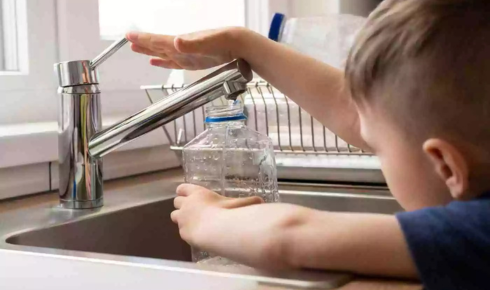
Most of us don’t think about water until something feels off. A chalky film on the shower door. A faint metallic taste in the kitchen sink. Laundry that never quite feels soft, no matter how much detergent you use. It’s rarely dramatic. Just small annoyances that add up.
And then one day, you start wondering if your water could be better.
That’s usually where the conversation about whole home water quality begins—not with panic, but with curiosity. You want water that works with your home, not against it. Water that doesn’t quietly wear down appliances or leave you second-guessing every glass you pour.
The Hidden Impact of Everyday Water
Water touches almost every part of daily life. You cook with it. Bathe in it. Wash dishes and clothes with it. Even your heating system may rely on it.
If it’s overly hard, you’ll see scale buildup around faucets and inside kettles. If it contains excess iron, you might notice rust-colored staining in sinks. If chlorine levels are high, your skin can feel dry after showers.
None of these issues necessarily mean your water is unsafe. But they do mean it’s interacting with your home in ways that might not be ideal.
That’s why addressing water quality isn’t just about drinking water. It’s about everything.
Hard Water: The Common Culprit
In many regions, hard water problems is the main offender. High levels of calcium and magnesium cause that familiar white buildup on fixtures and reduce soap efficiency.
This is where water softeners often enter the picture. They don’t filter out contaminants in the traditional sense. Instead, they exchange hardness minerals for sodium or potassium, reducing scale formation.
The difference can be subtle but meaningful. Softer-feeling skin. Towels that actually feel fluffy again. Appliances that don’t struggle under layers of mineral deposits.
It’s not glamorous, but it works.
Filtration vs. Conditioning
One of the biggest misunderstandings homeowners face is confusing filtration with conditioning.
Filtration systems remove particles or dissolved substances. Conditioning systems, like softeners, change the chemical composition to prevent scaling.
In many homes, a combination approach makes the most sense: softening for the entire house and targeted filtration at the kitchen sink.
But that decision should come after testing. Guessing leads to overspending—or worse, solving the wrong problem.
The Value of Professional Guidance
Let’s be honest. The water treatment industry can feel overwhelming. Technical jargon. Competing claims. Sales pitches promising miracle results.
This is where working with certified professionals becomes valuable. Not because you can’t research on your own, but because trained technicians can interpret test results accurately and recommend solutions based on evidence rather than fear.
A reputable professional won’t push unnecessary upgrades. They’ll explain what your water report actually means and outline realistic options.
That clarity is worth a lot.
Maintenance Is Part of the Commitment
Installing a system is only half the story. Filters clog. Resin beds need occasional servicing. Salt levels must be monitored.
Ignoring maintenance doesn’t just reduce performance—it can create a false sense of security.
The good news is that modern systems are built for practicality. Maintenance schedules are predictable. Replacement parts are readily available.
Think of it like changing the oil in your car. Routine attention keeps things running smoothly.
Cost vs. Long-Term Benefits
It’s easy to hesitate when you see the price tag on whole-house systems. But consider the long-term picture.
Scale buildup shortens the lifespan of water heaters. Hard water reduces energy efficiency. Bottled water purchases add up. Plumbing repairs from corrosion aren’t cheap.
Improving water quality can protect your investment in your home.
And beyond finances, there’s comfort.
When you trust your water, daily routines feel simpler.
The Emotional Side of Clean Water
There’s something grounding about turning on a faucet and knowing you’ve addressed potential issues. You don’t think twice before filling a pot for pasta. You don’t notice your skin feeling tight after a shower.
It’s not about perfection. It’s about peace of mind.
Water is so woven into daily life that improving it often improves everything else just a little bit.
Avoiding Overcomplication
The biggest mistake homeowners make is chasing every possible upgrade at once.
You don’t need the most advanced system on the market. You need the one that fits your water profile.
Start with testing. Identify real concerns. Work with professionals who explain rather than pressure.
Then choose a solution that aligns with your priorities.
Final Thoughts
Water quality isn’t a luxury topic. It’s practical. It’s personal. And it’s manageable.
If your water has been quietly causing inconvenience—whether through scale, staining, or taste—it might be time to take a closer look.
Addressing whole-home water concerns doesn’t require turning your house into a laboratory. It requires information, thoughtful decisions, and consistent maintenance.
And once it’s handled, you’ll likely notice something simple but satisfying: your water just works.
No fuss. No second-guessing. Just clean, reliable water supporting the rhythm of everyday life.

