


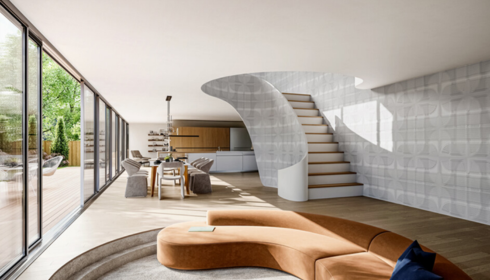
In today’s competitive design and construction market, custom fabricated surface materials have become essential for projects that demand more than a standard finish. These materials help create spaces that feel intentional, durable, functional, and visually refined. From commercial interiors and hospitality environments to healthcare settings, retail spaces, office buildouts, and upscale residential projects, the right fabricated surface can shape how a space performs and how it is remembered.
Hyundai L&C, located at 1760 Corporate Dr., Norcross, Georgia 30093, offers surfacing solutions for projects where quality, design flexibility, and long-term value matter. In modern interiors, surface materials are no longer treated as background details. They play a direct role in supporting workflow, brand image, customer perception, and the day-to-day usability of the space. That is why architects, designers, contractors, fabricators, and property decision-makers continue to prioritize custom fabricated surface materials when planning projects that need both style and performance.
Why Custom Fabricated Surface Materials Matter More Today
Surface selection has changed. Clients no longer look only at color and finish. They also consider durability, maintenance, design consistency, fabrication potential, and long-term return. A material may look impressive in a showroom, but real value shows up after installation, when the surface faces daily use, routine cleaning, moisture, traffic, and wear.
This is where custom fabricated surface materials stand out. Unlike generic finish options, fabricated surfaces support more tailored design execution. They allow project teams to create counters, vanities, wall applications, worktops, reception desks, and feature elements that fit the exact needs of the space.
This matters because strong material selection can support:
- Better design flexibility
- More precise fit and finish
- Improved performance in high-use areas
- Easier maintenance over time
- Greater long-term project value
A well-designed interior depends on details that continue to work after the opening day. Fabricated surfaces help support that goal by combining function and design in a way that standard materials often cannot.
The Growing Demand for Fabricated Surface Solutions
Across multiple industries, the demand for customization continues to rise. Businesses want interiors that reflect their identity. Property owners want materials that feel more premium and durable. Designers want surface products that help bring their vision to life without sacrificing practicality.
This shift has increased interest in custom fabricated surface materials because these products help solve real project needs. A healthcare reception desk may need a clean, professional finish with practical durability. A hotel vanity may need a more refined, upscale appearance. A retail service counter may need a strong visual statement while standing up to repeated customer contact. A residential kitchen island may need both beauty and day-to-day function.
Fabricated materials support these different outcomes by allowing project teams to move beyond one-size-fits-all solutions.
What Makes Custom Fabricated Surface Materials Valuable
Not all surfaces deliver the same level of performance or flexibility. Fabricated materials are especially valuable because they can support both creative design and practical use. In many projects, that balance is what determines whether the finished space truly works.
Precision for Tailored Applications
Every space has different requirements. Some projects need custom dimensions. Others need integrated design elements, clean lines, or a more seamless appearance. Custom fabricated surface materials give fabricators and designers the ability to shape surfaces according to the layout, purpose, and visual goals of the project.
This level of precision is important in areas such as:
- Reception desks
- Kitchen countertops
- Bathroom vanities
- Commercial worktops
- Wall features
- Bar tops
- Retail counters
- Shared amenity surfaces
A tailored surface usually feels more intentional than a standard material cut to fit with limited flexibility.
Better Design Consistency
Consistency matters in quality interiors. A project feels stronger when surfaces connect visually across different zones. Fabricated materials can help support that consistency by making it easier to coordinate finishes, dimensions, and design details throughout the space.
This is especially useful for:
- Offices that need a unified brand look
- Hospitality spaces that depend on guest impression
- Healthcare environments that require professional presentation
- Retail interiors that rely on visual storytelling
- Residential projects with a strong design point of view
Better consistency often creates a more polished overall result.
Performance in Daily Use
A surface may be beautiful, but beauty alone is not enough. Counters, vanities, worktops, and service surfaces deal with daily interaction. People touch them, place objects on them, clean them, spill on them, and expect them to stay attractive.
High-quality custom fabricated surface materials help meet these expectations by supporting stronger durability and more practical day-to-day performance. In busy environments, that can make a major difference in how the interior ages.
Easier Maintenance and Upkeep
Maintenance is often overlooked during design planning, but it becomes one of the biggest factors after occupancy. Surfaces that are difficult to clean or quick to show wear can create frustration and added cost. Materials that stay presentable with practical care routines offer more long-term value.
For commercial operators, this means smoother maintenance. For homeowners, this means less stress and stronger satisfaction with the finished space.
Best Applications for Custom Fabricated Surface Materials
Fabricated surfaces can be used in many environments where both function and visual appeal matter. The best applications are usually the ones where precision, durability, and appearance all need to work together.
Commercial Reception Areas
Reception spaces set the tone of the entire property or business. A custom fabricated desk or transaction surface can create a stronger first impression while supporting daily use. In these high-visibility areas, finish quality matters immediately.
Hospitality Interiors
Hotels, lounges, restaurants, and resorts depend on surfaces that look refined and stay that way. Guest bathroom vanities, check-in counters, bar tops, and dining-related surfaces benefit from custom fabricated surface materials because these spaces need both elegance and resilience.
Healthcare and Wellness Spaces
Medical offices, clinics, dental practices, and wellness facilities require surfaces that feel clean, durable, and professionally designed. Fabricated surfaces support custom layouts and can help improve how these environments function and appear to patients.
Office Interiors
Modern workplaces rely on surfaces in conference rooms, breakrooms, reception zones, restrooms, and collaborative workspaces. Custom fabricated materials help these areas feel more cohesive, branded, and durable enough for daily business use.
Retail Environments
Retail counters, display zones, fitting room vanities, and service desks all benefit from tailored surfaces. Because customer experience matters in retail, finish quality can influence perception in a quiet but powerful way.
Residential Projects
In homes, fabricated surfaces are often used in kitchens, bathrooms, laundry rooms, feature walls, and custom built-in applications. Homeowners often choose these materials for the balance of function, customization, and elevated design appeal.
Why Material Selection Should Never Be an Afterthought
A common mistake in project planning is treating surface selection as a late-stage decision. In reality, surface materials influence too many parts of the final result to be handled casually. They affect fabrication, installation, maintenance, daily function, and visual impact.
Choosing the right custom fabricated surface materials early in the process can help project teams:
- Align design with practical use
- Avoid poor-fit material decisions
- Improve coordination between design and fabrication
- Support stronger long-term outcomes
- Reduce the risk of surfaces aging too quickly
The best projects usually treat materials as part of the strategy, not just part of the finish schedule.
What to Look for When Choosing a Fabricated Surface
Not every material is right for every environment. A smart selection process should consider how the space will be used, how visible the surface is, and what kind of maintenance routine will follow after installation.
Here are key factors to evaluate:
1. Project Type
A residential kitchen has different demands than a hotel reception area or medical workstation. Start with the real use of the space.
2. Traffic and Contact Level
High-touch areas need stronger performance. Service counters, public vanities, workstations, and checkout surfaces all require materials that can handle more pressure.
3. Fabrication Potential
Some projects need clean edges, custom sizing, unique forms, or integrated applications. Material choice should support the type of fabrication the design requires.
4. Maintenance Expectations
A material should match the cleaning reality of the space. In busy environments, easy maintenance often matters as much as appearance.
5. Design Goals
The right surface should support the intended mood of the project, whether modern, warm, premium, minimal, or brand-driven.
Practical Tips for Better Surface Decisions
A better outcome usually comes from asking practical questions before making a final material choice. These five tips can help guide stronger decisions:
- Think beyond the sample board
A material may look attractive in a small swatch but behave very differently in a full-scale application. - Match the surface to the function
The most beautiful option is not always the most suitable for a high-use area. - Plan for long-term appearance
Consider how the material will look after months or years of cleaning, traffic, and daily use. - Coordinate with fabrication goals early
Custom projects perform better when design intent and fabrication requirements are aligned from the start. - Choose a trusted surface source
Reliable quality and design consistency help reduce uncertainty during specification and installation.
How Custom Fabricated Surface Materials Support Brand and Experience
Every space communicates something. An office can communicate professionalism. A clinic can communicate trust. A retail store can communicate energy and quality. A home can communicate comfort and personality. Surface materials are a major part of that message.
Because they are highly visible and frequently used, custom fabricated surface materials shape how people experience the space. A polished counter can make a business feel more credible. A refined vanity can make a hospitality setting feel more upscale. A seamless worktop can make a healthcare environment feel cleaner and more organized. A well-crafted kitchen surface can make a home feel more thoughtful and complete.
These experiences are not accidental. They are built through material choices that support both visual and practical success.
Why Hyundai L&C Is a Strong Choice for Fabricated Surface Projects
Hyundai L&C continues to stand out as a trusted source for projects that require more from a surface material. Design professionals and decision-makers often need products that support customization, durability, visual appeal, and long-term project value. That combination is exactly what makes a strong fabricated surface solution.
For commercial and residential applications alike, Hyundai L&C offers surfacing options suited for modern projects where finish quality matters. Whether the goal is to create a stronger first impression, improve design consistency, or support long-lasting daily use, material reliability plays a major role in project success.
Located at 1760 Corporate Dr., Norcross, Georgia 30093, Hyundai L&C remains a strong partner for projects where custom fabrication and premium surfacing need to work together.
Key Benefits of Smart Fabricated Surface Selection
Choosing the right fabricated surface strategy can support several important goals:
- Stronger design flexibility
- Better fit and finish
- More durable daily performance
- Easier upkeep and maintenance
- Better first impressions
- Greater long-term value
These benefits can improve not only how a space looks, but also how it functions over time.
Conclusion
The best custom fabricated surface materials do more than complete a project visually. They help create interiors that are better tailored, more durable, easier to maintain, and more aligned with the goals of the space. From offices and healthcare facilities to retail stores, hospitality interiors, and homes, the right fabricated surface can strengthen both performance and perception. Hyundai L&C offers design-forward surfacing solutions for projects that require customization, quality, and lasting value. Visit https://hyundailncusa.com/ to explore surface materials built for interiors that need to look exceptional and perform with confidence every day.

