


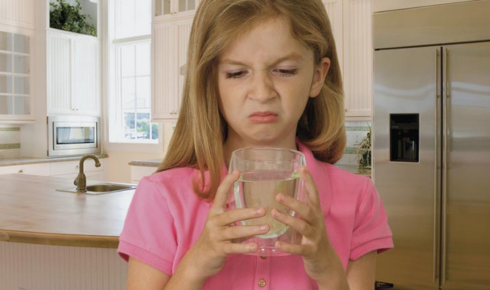
There’s a strange moment that happens in many homes—you pour a glass of water, take a sip, and pause. Not because it’s undrinkable, not because it’s obviously bad… just because something feels slightly off.
It’s easy to ignore. Life moves fast, and small inconveniences rarely get immediate attention. But when it comes to water, those small signals are often worth noticing.
Because your water, in its own quiet way, is always telling you something.
The First Signs Are Usually the Softest
Most water problems don’t arrive dramatically. They don’t knock on the door or flood the floor. Instead, they show up in subtle ways.
A faint aftertaste. A slight odor. Maybe your skin feels a bit dry after a shower, or your dishes don’t seem as clean as they should. These aren’t urgent issues—but they’re clues.
And over time, they start to add up.
The tricky part is that these changes happen gradually. You adjust without realizing it. You stop questioning it. Until one day, it becomes noticeable enough that you can’t quite ignore it anymore.
When Taste Becomes a Question
One of the most common things people notice is a change in taste. Water that once felt neutral suddenly carries a hint of something unfamiliar.
Often, that’s due to a chlorine taste. Chlorine is commonly used to disinfect water, which is important for safety. But depending on the levels, it can affect how your water tastes and smells.
Some people describe it as slightly chemical. Others say it reminds them of a swimming pool. Either way, it’s not exactly what you expect when you’re pouring a glass of drinking water.
The good news? It’s usually manageable. Simple filtration systems can reduce that taste significantly, making your water feel cleaner and more natural again.
The Smell That Raises Questions
Taste is one thing—but smell tends to grab attention more quickly.
If you’ve ever turned on the tap and noticed a rotten egg-like odor, you’ve likely encountered smelly sulfur water. It’s not pleasant, and it’s definitely not something you want lingering in your home.
This kind of smell is often caused by hydrogen sulfide gas in the water. While it’s not always harmful in small amounts, it can make everyday tasks—like showering or washing dishes—feel uncomfortable.
And it’s not just about the smell. Over time, sulfur can also affect plumbing and appliances, leading to additional maintenance issues.
Addressing it usually involves targeted filtration or treatment, designed specifically for this kind of problem.
Why These Issues Matter More Than You Think
It’s easy to brush off minor water concerns as cosmetic. After all, if the water is technically safe, why worry?
But water quality affects more than just taste or smell. It impacts how your home functions.
Hard water can leave buildup in pipes and appliances. Chlorine can dry out skin and hair. Sulfur can cause corrosion and lingering odors.
These aren’t major emergencies, but they influence your daily experience in ways that add up over time.
And once you notice them, it’s hard to go back to ignoring them.
Finding the Right Approach
There’s no universal fix for water quality issues. What works for one home might not be suitable for another.
The key is understanding what you’re dealing with. That might involve testing your water, observing patterns, or simply paying attention to what’s been bothering you.
From there, solutions can be tailored. Basic filters, advanced systems, or a combination of both—depending on the situation.
It’s not about overcomplicating things. It’s about addressing the specific issue in a way that makes sense.
The Role of Awareness
One of the most valuable things you can do is stay aware. Not in an obsessive way, but in a mindful one.
Notice changes. Pay attention to how your water looks, smells, and tastes. These small observations can guide you toward better decisions.
And if something feels off, it’s worth exploring further. Not every issue requires immediate action, but understanding it gives you options.
Small Changes, Real Impact
Improving water quality doesn’t have to be a big, overwhelming project. Often, small adjustments can make a noticeable difference.
Better-tasting water. Less odor. Cleaner surfaces. These changes might seem minor, but they enhance everyday life in subtle, meaningful ways.
It’s the kind of improvement that blends into your routine—until you realize how much better things feel.
Final Thoughts
Water is one of the most constant elements in our lives. We rely on it daily, often without a second thought.
But when something changes, even slightly, it’s worth paying attention.
Those small signs—taste, smell, texture—are your home’s way of communicating. And listening to them can lead to simple solutions that improve your comfort in ways you didn’t expect.
Because in the end, good water isn’t just about safety. It’s about how it feels to live with it, every single day.

