You don’t usually think about water until it gives you a reason to. Maybe it’s the cloudy residue on your glassware. Maybe it’s the faint smell when you turn on the tap first thing in the morning. Or maybe it’s the quiet frustration of buying bottled water week after week because something about your tap just doesn’t sit right.
Water is one of those essentials we assume is fine—until it isn’t. And when questions start creeping in, they tend to snowball. Is it safe? Why does it taste off? Why are my appliances scaling up so quickly?
The good news is this: most household water concerns have practical, manageable solutions. You don’t need to panic. You just need to understand what you’re dealing with.
When Minerals Start Taking Over
Let’s start with one of the most common complaints: scale buildup. If your faucets collect white crusty deposits, your showerhead sprays unevenly, or your dishwasher leaves spots on everything, you’re probably dealing with hard water problems.
Hard water contains higher levels of calcium and magnesium. It’s not dangerous to drink, but it can be surprisingly destructive over time. Those minerals settle in pipes, reduce water heater efficiency, and shorten the lifespan of appliances.
It also changes how water feels. Soap doesn’t lather properly. Skin can feel dry or tight after showering. Laundry may come out stiff rather than soft.
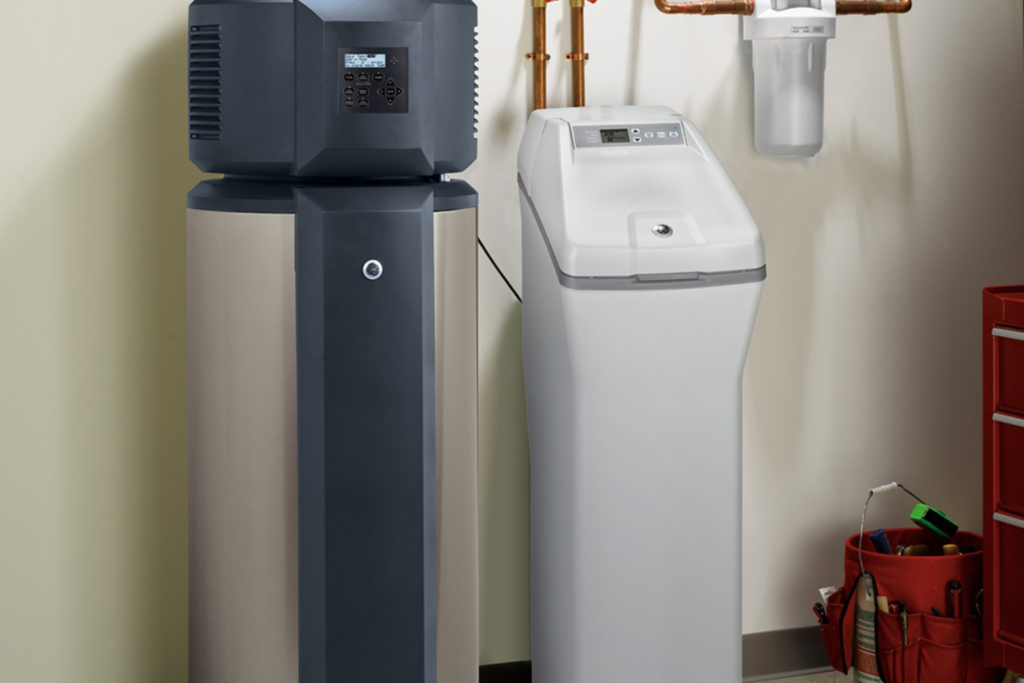
Many homeowners address this issue with a water softener, which removes excess minerals before they travel through your plumbing system. It’s not glamorous. But it’s effective.
And once you’ve lived with softened water for a while, going back feels… noticeable.
Taste and Odor: The Subtle Red Flags
Not all water concerns are visible. Sometimes the issue is taste. Or smell. Chlorine is commonly used in municipal treatment systems to disinfect water. While it’s essential for safety, it can leave behind a flavor that some people simply don’t enjoy.
Sediment and trace impurities can also alter water clarity and texture. Even if everything meets regulatory standards, you may still prefer something cleaner and more neutral.
That’s where drinking water solutions come into play. Under-sink filters, countertop systems, and whole-house filtration setups offer different levels of treatment depending on your needs.
Activated carbon filters, for example, are excellent at improving taste and reducing chlorine. They’re relatively affordable and easy to maintain. For many households, that’s enough.
But for others, especially those concerned about dissolved solids or specific contaminants, a more advanced option may make sense.
When You Want Maximum Purity
If you’ve ever researched water treatment in depth, you’ve likely come across reverse osmosis systems. These systems use a semipermeable membrane to remove a broad range of dissolved impurities from water.
Reverse osmosis (RO) units are typically installed under the kitchen sink and provide highly purified water from a separate tap. They’re particularly effective at reducing contaminants like lead, nitrates, and certain dissolved salts.
The result is water that tastes remarkably clean—almost neutral. For households relying heavily on tap water for drinking and cooking, that difference can feel significant.
Of course, RO systems require maintenance. Filters need periodic replacement. But the tradeoff for many homeowners is peace of mind.
Choosing the Right Approach for Your Home
Not every house needs every solution. That’s an important point.
If your main concern is scale buildup, addressing hardness may solve most of your frustrations. If taste and odor bother you, a filtration system could be sufficient. In some cases, combining treatments makes sense—softening the water for household use while installing a dedicated purification system for drinking water.
The smartest first step? A water test.
Testing provides clarity. It tells you what’s actually in your water—and at what levels. From there, decisions become logical rather than reactive.
It’s a bit like getting lab results before choosing medication. You treat what’s present, not what you fear might be there.
The Long-Term Impact on Your Home
Improving water quality isn’t just about what comes out of the faucet. It affects appliances, plumbing, and daily routines.
Softened water can extend the life of water heaters and washing machines. Filtered water can reduce reliance on bottled alternatives. Even small improvements can translate into lower maintenance costs over time.
There’s also something intangible about turning on a tap and trusting what flows out.
That quiet confidence adds up.
Maintenance Isn’t a Burden—It’s Part of the Plan
Every system requires some upkeep. Softener salt must be replenished. Filters must be changed. But these tasks are usually simple and predictable.
Neglecting maintenance, on the other hand, reduces effectiveness. It’s a small commitment for long-term benefit.
Most homeowners find that once systems are installed, upkeep becomes routine rather than inconvenient.
A Final Thought on Something So Ordinary
Water is constant. It’s part of cooking, cleaning, showering, brushing teeth. It’s easy to take it for granted because it’s always there.
But when quality improves—even slightly—you notice in subtle ways. Fewer water spots. Better-tasting coffee. Softer towels. Less time scrubbing mineral buildup from fixtures.
Investing in the right water solution isn’t about luxury or fear. It’s about practicality and comfort.
Because when something touches nearly every part of your daily life, it deserves a little attention.
And sometimes, improving what feels ordinary ends up making everything else feel just a bit better.