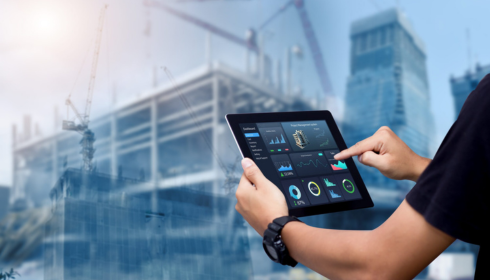
If you’ve ever stood on a noisy construction site with a cup of lukewarm coffee in one hand and a half-crumpled schedule in the other, you know the feeling: the quiet hope that everything stays on track, even though a little voice whispers… something’s definitely slipping. It’s not that anyone’s doing a bad job. Construction is just complex, unpredictable, and full of moving parts that never quite behave the way we expect.
But something interesting is happening in the industry. A subtle shift. A movement toward smarter tools and better training — not because they’re flashy, but because they help make sense of the madness. And in a world where deadlines tighten and budgets don’t budge, clarity isn’t a luxury anymore… it’s survival.
This is where training, technology, and a more thoughtful approach to project controls start to feel less like buzzwords and more like relief.
The Human Side of Smart Training
Let’s start with something that doesn’t get enough credit: people. Tools matter, sure, but the folks using them matter even more.
I’ve seen project managers who can look at a jobsite and instantly spot a delay two weeks before it shows up on the schedule. And I’ve also seen seasoned pros scratching their heads at software dashboards that look like airplane control panels. Neither group is wrong. They just grew up in different construction eras.
That’s why smartpm training has become such a crucial piece of the puzzle. It’s not “another training program.” It’s a bridge — helping field teams and office teams speak the same scheduling language, understand the same risks, and make decisions based on real, usable insights instead of gut instinct alone. Good training gives you confidence. Great training gives you clarity. And in construction, clarity is priceless.
When teams actually understand the tools they’re using, everything feels a little less tense. Meetings get shorter, roles get clearer, and the schedule doesn’t feel like an enemy waiting to expose flaws. It becomes a partner.
When Software Finally Starts Making Sense
Construction software used to be intimidating. Let’s be honest — some of it still is. Heavy, clunky interfaces. Charts that required a PhD to interpret. Dashboards telling you everything except the thing you really need to know today. No wonder teams resisted change.
But now? Now we’re entering an era where technology is finally catching up to the way people actually work. Interfaces are cleaner. Analysis is faster. Insights are clearer. And instead of adding more layers of confusion, today’s tools strip away the noise.
Something like modern smart construction software isn’t about fancy visuals. It’s about giving a superintendent real-time clarity without needing a translator. It’s about letting a project manager see the ripple effects of a single delay before it hits the critical path. This kind of software feels less like a burden and more like someone quietly tapping your shoulder and saying, “Hey, here’s what’s actually happening.”
That little insight can save weeks — and sometimes thousands of dollars — without making anyone’s job harder.
Seeing the Whole Picture Without Getting Lost in It
Construction schedules are complicated. That’s just the truth. By the time a project hits full swing, you’ve got hundreds of tasks, dozens of trades, and a schedule that looks like a spiderweb exploded across your screen. Trying to review it all manually is like trying to read a map in the dark.
That’s why there’s so much buzz around advanced construction project controls software — not because it’s trendy, but because it gives teams that bird’s-eye view they’ve always needed. You can see variances, logic flaws, progress gaps, and even potential claims risks way before they turn into real problems.
It’s like turning the jobsite lights on before sunrise. Suddenly, the shadows aren’t so scary. You can see what’s falling behind, what’s still salvageable, and what needs to be escalated sooner rather than later.
Project controls used to be reactive. Something happens, you fix it, you try not to panic. But with better software, the whole process becomes proactive. You’re making data-driven decisions while there’s still time to change the outcome — not after the damage is done.
Why This Shift Feels Bigger Than Just “Technology”
The funny thing is, the transformation happening in construction isn’t just about tools. It’s about mindset.
For decades, the industry survived on intuition, experience, and brute-force problem solving. And honestly? Those things got us pretty far. But today’s projects are bigger, deadlines are tighter, risk tolerance is lower, and owners expect transparency at every turn. We’re not just building structures — we’re building accountability.
Better training and smarter software together create a kind of harmony that construction has needed for a long time. Schedulers aren’t working in isolation anymore. Superintendents get insights in real-time. Owners get reporting that actually reflects reality. Executives get fewer unpleasant surprises during monthly reviews.
It’s a more connected ecosystem. One where data supports experience instead of replacing it.
The Relief of Knowing What’s Coming
There’s this moment in every project where you can feel things starting to drift. It’s subtle at first — a missed delivery here, a small inspection delay there. Nothing major. But if you’ve worked long enough in construction, you know these tiny disruptions have a way of snowballing.
And the worst part? Sometimes you don’t see the snowball until it’s already halfway down the mountain.
That’s why having the right tools and training matters. Because instead of reacting to the storm after it hits, you get early warnings. Little nudges. Quiet reminders that tell you, “Hey, this path is shifting. Try adjusting now.”
Avoiding problems isn’t luck. It’s clarity. And clarity comes from data, insights, and people who are trained to interpret both.
Where the Industry Is Headed
Whether we admit it or not, construction is becoming more digital, more precise, and more synchronized. The industry can’t afford the old “let’s figure it out when we get there” approach anymore. Not with the financial stakes, not with the deadlines, and definitely not with the pressure owners are putting on transparency.
And honestly? This shift is a good thing.
It means fewer surprises. Fewer disputes. Fewer frantic phone calls late at night. And more projects finishing where they should: on time, on budget, and with teams who don’t feel completely drained at the end.
That’s the real magic behind better training and smarter tools. They don’t just improve efficiency — they make the entire construction experience less chaotic and more predictable.
A Final Thought
At the end of the day, construction will always be complex. It’s the nature of the beast. But complexity doesn’t have to mean confusion. With the right blend of human expertise, thoughtful training, and technology that actually respects the way people work, project controls can become something empowering instead of exhausting.